



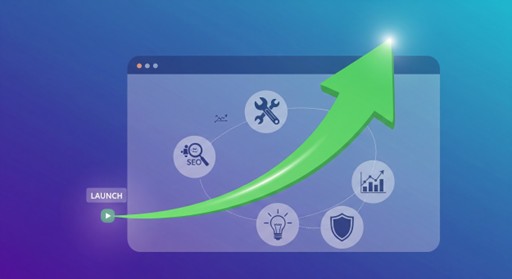
A website launch feels like the finish line. The design is approved, the pages are live, and the team exhales.
Then reality starts.
Traffic patterns change. Pages slow down. Plugins break. Mobile layouts drift. SEO shifts. Security threats evolve. Integrations fail quietly and take leads with them. The site still “works,” but performance starts leaking in places most teams don’t notice until revenue drops.
That’s why web development services matter long after launch. A website is not a one-time build. It’s a living system. If it’s not maintained, it degrades.
And when it degrades, the damage shows up where it hurts most: trust, conversions, and search visibility.
Launch Is a Version, Not a Verdict
Websites don’t fail because they were built poorly. They fail because they were treated as finished products.
Post-launch realities keep moving:
- browsers update
- devices change
- third-party scripts add weight
- competitors improve their UX
- Google adjusts how it evaluates quality
- security vulnerabilities get weaponized
- internal teams add “quick” changes that pile up
A modern site either evolves or falls behind.
For service brands especially, a slow or glitchy site doesn’t just lose sales. It can make the business look untrustworthy. That’s a reputation problem, not just a technical one. NetReputation sees this constantly: before someone fills out a form or calls, they look for legitimacy. If the site feels broken, outdated, or sloppy, the decision is made instantly.
Performance Slips Quietly, Then Costs You Loudly
Speed doesn’t stay fixed. Even a well-optimized site tends to slow over time. Content grows. Plugins stack. Images creep in at full size. Marketing tags multiply. Hosting plans stay the same while traffic increases.
The result is predictable: a site that loads fine in the first month feels sluggish six months later.
Ongoing performance work usually includes:
- image and video compression standards that stay enforced
- script cleanup and tag governance (the biggest silent culprit)
- caching and CDN tuning as traffic and geography shift
- database maintenance for CMS-heavy sites
- monitoring real-user performance instead of relying on a single lab score
A website doesn’t need to be perfect. It needs to be consistently fast where it matters: mobile load, form flow, checkout flow, and key landing pages.
That consistency is maintenance, not launch.
Scalability Isn’t a Nice-to-Have When Traffic Spikes
Many sites run fine until they don’t. A press mention hits, an email campaign lands, paid traffic ramps, or a seasonal spike arrives. Suddenly ,the site is slow or unstable at the exact moment attention is highest.
This is where post-launch development pays for itself.
Scalability work often looks like:
- upgrading hosting before failure happens
- configuring caching layers that don’t break dynamic pages
- preparing for traffic surges with load testing
- tightening database queries and removing performance bottlenecks
- monitoring uptime and error rates during campaigns
A site that crashes during a spike doesn’t just lose sales. It also risks losing customersloses confidence. Visitors don’t come back because they assume the business can’t handle demand.
Security Is Never “Done”
Most small and mid-size businesses treat security like an add-on. Then the first breach happens.
Security threats are not hypothetical, and they don’t target only big companies. Automated attacks scan the web for known plugin vulnerabilities, exposed admin panels, weak passwords, misconfigured servers, and outdated themes.
Ongoing security maintenance through web development services typically covers:
- patching CMS cores, plugins, and themes on a routine schedule
- monitoring for suspicious logins, file changes, and malware signatures
- hardening admin access (rate limiting, 2FA, IP restrictions)
- backup systems that actually restore cleanly
- incident response plans that don’t require panic
A hacked website is not just downtime. It becomes a reputation event. Users see warnings. search engines flag the domain. Trust evaporates fast.
SEO Changes Even If Content Doesn’t
Search visibility isn’t only about publishing. It’s also about staying compatible with how search engines measure quality.
Technical SEO drifts over time because websites change. Internal links break. Redirects stack. duplicate pages appear. The schema becomes outdated. New templates introduce crawl traps.
A practical post-launch SEO maintenance routine usually includes:
- crawl and indexation checks to catch errors before rankings drop
- broken link and redirect cleanup (sites quietly accumulate these)
- schema validation as pages and SERP features change
- page experience monitoring tied to real user behavior
- content template adjustments to support intent and readability
Ignoring technical SEO doesn’t always cause a crash. It causes slow decay. Rankings gradually slip, then the business blames “competition” when the site itself is the problem.
UX Doesn’t Age Well Without Attention
Even if the site stays fast and secure, user expectations keep changing. A site built two years ago can feel outdated today, especially on mobile.
UX breakdown usually comes from small accumulated friction:
- menus that are harder to use on newer phones
- forms that ask for too much too early
- layout shifts from new banners or pop-ups
- unclear CTAs that reduce lead quality
- accessibility gaps that become legal and reputational risks
Ongoing UX refinement often means:
- reviewing heatmaps and session recordings to find drop-off points
- improving page hierarchy so the value is clear immediately
- tightening form flows to reduce abandonment
- ensuring accessibility compliance stays current (WCAG)
- testing new patterns without redesigning the whole site
Conversion rate issues are often blamed on messaging, but many are simple usability problems that accumulate over time.
Integrations Break, and They Break Quietly
Modern websites depend on integrations. CRM forms, booking tools, chat widgets, analytics tags, pixel tracking, payment processors, reviews plugins, API connections.
Most integration failures don’t trigger a loud error. They fail silently.
Examples that cost real money:
- leads stop syncing to the CRM
- form submissions deliver but don’t notify
- chat tools don’t load on mobile
- analytics double-count or stop tracking key events
- booking widgets conflict with caching and never complete
This is one of the clearest reasons web development services matter post-launch. Without monitoring and upkeep, revenue leaks through systems that “look fine.”
Content Flexibility Becomes a Growth Constraint
Many sites launch with rigid templates. That works until the business needs to scale content.
Then the same problem shows up:
- every new landing page requires developer help
- adding a new service page breaks design consistency
- publishing becomes slow, which kills marketing speed
- the team avoids updating the site because it’s risky
Ongoing development keeps the site flexible without becoming messy. That might mean:
- improving CMS fields so content teams can move faster
- building repeatable page sections that don’t require custom code
- establishing editorial standards to prevent layout sprawl
- upgrading templates so new offerings can launch quickly
When the website becomes hard to update, marketing slows down. That’s not a content problem. It’s a development problem.
Proactive Support Costs Less Than Emergency Fixes
Emergency work is always more expensive. It happens under pressure. It often happens after losses already occurred.
A maintenance relationship usually prevents:
- rushed fixes that introduce new bugs
- extended downtime during business hours
- security incidents that require expensive cleanup
- broken tracking that ruins reporting for months
- performance regressions that drag conversions down quietly
This is why web development services deliver value long after launch. They reduce chaos, stabilize performance, and keep the site aligned with how people actually judge businesses online.
What Long-Term Web Development Support Should Cover
A serious post-launch plan doesn’t need to be complicated. It needs to be consistent.
A strong baseline usually includes:
- routine updates and patching
- performance monitoring and quarterly tuning
- security hardening and backups with restore tests
- SEO health checks tied to crawling and indexation
- UX refinement based on real behavior data
- integration monitoring for lead flow and analytics accuracy
That work keeps the site functional. It also keeps the brand credible.
Because the real truth is simple: a website is part of reputation now. If it looks unreliable, the business looks unreliable. And once that trust breaks, no design from launch day can fix it later.