



Buying an older property brings character and history. Older structures hold hidden secrets behind their charming facades, requiring new owners to verify the state of their property. Spotting problems early prevents unexpected financial stress later. Let us examine the key structural areas needing immediate evaluation right after you receive the property keys.

Structural Integrity And Foundation Health
Foundation modifications can cause major damage throughout an entire building. Professionals can track down hidden water leaks affecting the soil base. Soil movements can result in uneven floors and stuck doors.
Look closely at the basement walls for signs of bowing. Heavy soil pressure outside can push concrete structures inward, demanding immediate professional intervention. Check the alignment of the roof ridge from the outside. A sagging roofline points to compromised supporting walls below and may command a $10,000 stabilization bill.
Plumbing Networks And Drainage Layouts
Galvanized pipes in old homes may suffer from internal rust accumulation. Internal corrosion restricts water pressure and discolors the flow. When that occurs in your area, hire a competent local plumber Melbourne to replace old lines. They improve the water quality inside the home.
Sewer lines deserve equal attention during your property assessment. Government guidelines state that individuals must secure a consent to connect number from the local water authority prior to certifying underground sanitary drainage tasks. Tree roots frequently invade old clay pipes buried in the yard. Blocked drains cause sewage backups that ruin floorboards and carpets.
Roof Conditions And Attic Spaces
Roofs shield older properties from harsh weather conditions year-round. An inspection of the top layers reveals missing shingles or cracked tiles where water penetration starts. Climbing into the upper crawlspace provides an accurate view of structural wear. The attic holds valuable clues about how a home breathes, ages, and protects occupants from weather elements.
Check the timber beams for dark stains indicating active leaks. Adequate ventilation keeps the upper levels dry and prevents wood rot. Look for evidence of pests in dark corners. Rats and birds love nesting in undisturbed insulation materials, which can damage building materials and create health risks.
Electrical Systems And Vintage Wiring
Old houses frequently feature outdated electrical configurations. Knob-and-tube setups or cloth-covered wires fail to meet modern safety requirements for high-power appliances.
Breaker panels require a thorough check for proper grounding. Overloaded circuits pose serious house fire hazards, and a certified electrician can avoid dangerous mistakes completely.
Main Service Panels
Old fuse boxes cannot handle the power loads of modern technology. Upgrading to a modern circuit breaker panel provides safety switches that trip instantly during an overload. Modifications prevent electrical fires before they start.
Test every outlet to verify stable electricity flow. Loose sockets can cause sparks when you plug in devices. Upgrading the system protects your expensive electronics from power surges.
Exterior Walls And Wall Cracks
Exterior brickwork and plaster face constant exposure to environmental elements. Small hairline fractures might only indicate normal settling over several decades. Large gaps require closer observation to determine the underlying cause.
A well-known real estate portal states that homes displaying numerous cracks wider than 2.0mm require deep evaluation by a qualified building expert. These openings let moisture seep into the inner wall cavities. External cladding needs regular maintenance to stop drafts from entering living zones.
Insulation Quality And Energy Performance
Older building techniques rarely prioritized thermal efficiency. Walls without proper packing allow heat to escape rapidly during the winter months. Adding modern insulation barriers lowers utility costs.
Examine the windows for single-pane glass configurations. Gaps around old window frames cause noticeable drafts in living rooms. Sealing areas around the glass keeps the indoor temperature stable.
Floorboards in elevated older homes let cold winter air rise directly into the house. Adding thick underfloor insulation blocks uncomfortable drafts completely.
Heating And Cooling Infrastructure
Vintage heating units operate inefficiently compared to modern alternatives. Cast iron radiators require careful bleeding to remove trapped air bubbles. Old gas furnaces can leak carbon monoxide if the heat exchangers crack.
Air conditioning systems in older houses might rely on banned refrigerants. Replacing these obsolete units protects the fragile atmosphere and reduces electricity consumption. Thermostats from past decades lack precise programming options. Installing smart regulators manages temperatures automatically to prevent timber expansion.
How To Plan For Immediate Repairs
Managing an older home comes with clear prioritization of repair tasks. Safety concerns must always come ahead of cosmetic updates. Creating a budget to track your maintenance expenses effectively. Look at these steps when planning your restoration timeline:
- Repair any faulty wiring to eliminate fire hazards
- Fix active roof leaks to protect the structural timbers
- Clear blocked drainage pipes to avoid foundation damage
Professional inspections give you the confidence to manage an older property safely. Reliable data keeps your long-term maintenance plans accurate.
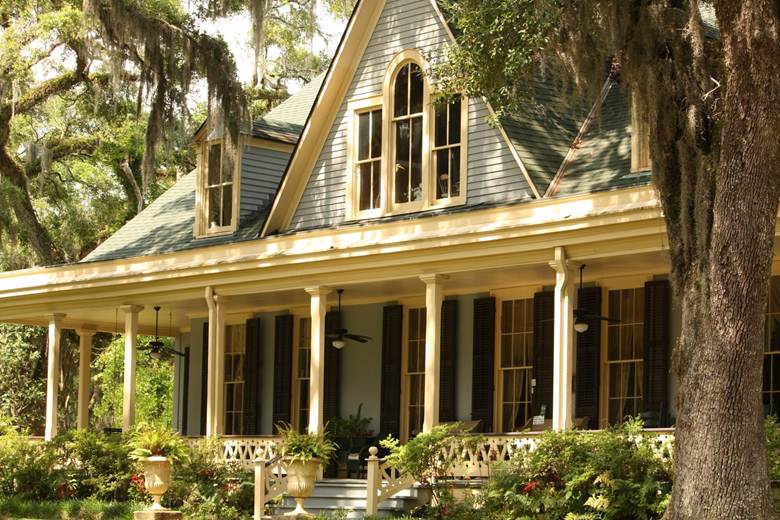
Owning a historic home provides a unique living experience. Take the time to inspect every system to protect your financial investment. Enjoy the entire rewarding process of restoring your unique piece of history safely and securely.





