



A small drip from the ceiling looks like a minor nuisance. You place a plastic bucket underneath, wipe up the puddle, and promise yourself you will deal with it later. Postponing that repair is one of the biggest mistakes you can make. Water damages structures slowly, silently, and completely out of sight.
By the time you notice a stain on your drywall, the internal framework of your property has already been exposed to moisture for weeks. Roof leaks do not fix themselves.
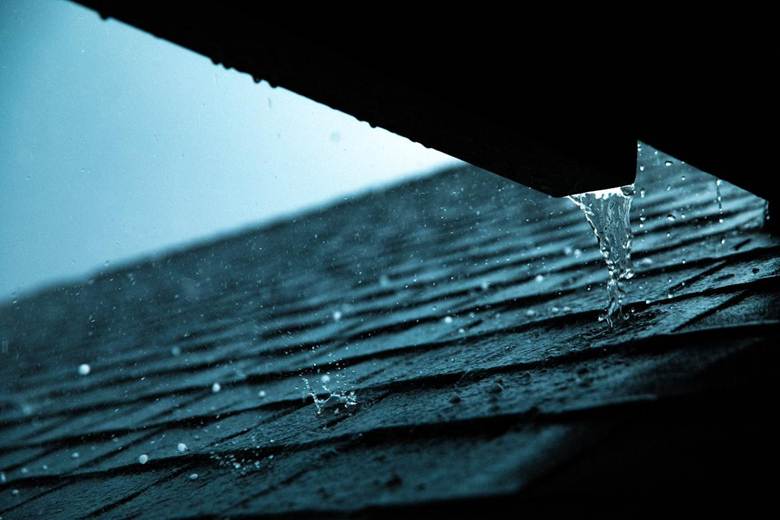
The True Cost of Delaying Repairs
Ignoring a minor leak can lead to catastrophic expenses. A recent industry report tracking financial trends highlighted that American property owners faced massive surges in roofing expenses, with repair and replacement costs soaring to nearly $31 billion in 2025. This staggering figure represented a jump of almost 30% in just a two-year window.
Waiting for a better time to call a contractor usually backfires. Water pooling on a flat surface or dripping behind walls weakens structural beams. Over a short period, a tiny crack grows into an unstable hazard. Staying ahead of these spikes in home maintenance means handling issues the moment they appear.
Understanding Underlayment Degradation
Your exterior roofing material is merely the first line of defense against the elements. Beneath that visible layer sits the underlayment, a waterproof barrier designed to catch any moisture that seeps past the surface. When your roof tiles shift, break, or go missing, this critical shield becomes completely exposed to direct sunlight and heavy rainfall.
The elements degrade the underlying fabric quickly once the outer protection fails. Wind can lift loose pieces, allowing downpours to saturate the plywood decking beneath. If you delay replacing the missing surface pieces, the underlayment tears and permits water to enter the attic space freely.
Structural Wood Rot and Framing Failure
Water behaves predictably when it enters a building envelope. It flows downward, soaking everything along its path. Continuous exposure to moisture creates the perfect environment for wood rot to develop in the rafters, joists, and wall studs.
- Rafter deterioration: The main support beams soften and lose their load-bearing capacity.
- Plywood delamination: Sub-roofing layers separate and sag under the weight of the exterior material.
- Wall stud warping: Moisture traveling down the interior framework forces vertical supports to twist.
Wood rot compromises the physical safety of the entire structure. If the main support skeleton becomes soft, the roof can cave in under heavy loads. Repairing ruined framing requires tearing out massive sections of the building, multiplying your restoration bills.
The Threat of Toxic Mold Growth
Moisture trapped inside a dark attic or wall cavity creates an ideal breeding ground for microscopic spores. Mold colony development can begin within 48 hours of initial water exposure. Once these organisms establish a foothold, they spread through ventilation systems and drywall surfaces.
Remediating a major mold infestation is an expensive, hazardous process. Air handling units spread the spores throughout the living spaces, creating a persistent musty odor. Removing the contamination requires specialized containment zones and professional air scrubbing equipment.
Addressing small issues immediately preserves the value of your property and keeps your living space safe. Roof issues only become more complicated and expensive the longer they are left to fester in the sun and rain.
Investing a little time and effort into routine maintenance today prevents catastrophic financial burdens tomorrow. Taking care of your home means looking up and listening to what your structure is trying to tell you.