



Owning property is one of the biggest financial commitments that you are likely to ever make. It's also one of the most rewarding. The reality of this is that property value doesn't always maintain itself.
Markets change, weather takes a toll, systems wear down, and small issues grow quietly in the background. If you want to make sure that your investment is going to hold its value and perform well over time, you need a practical plan, not a complicated one, just one that is consistent, where you are taking intentional actions.
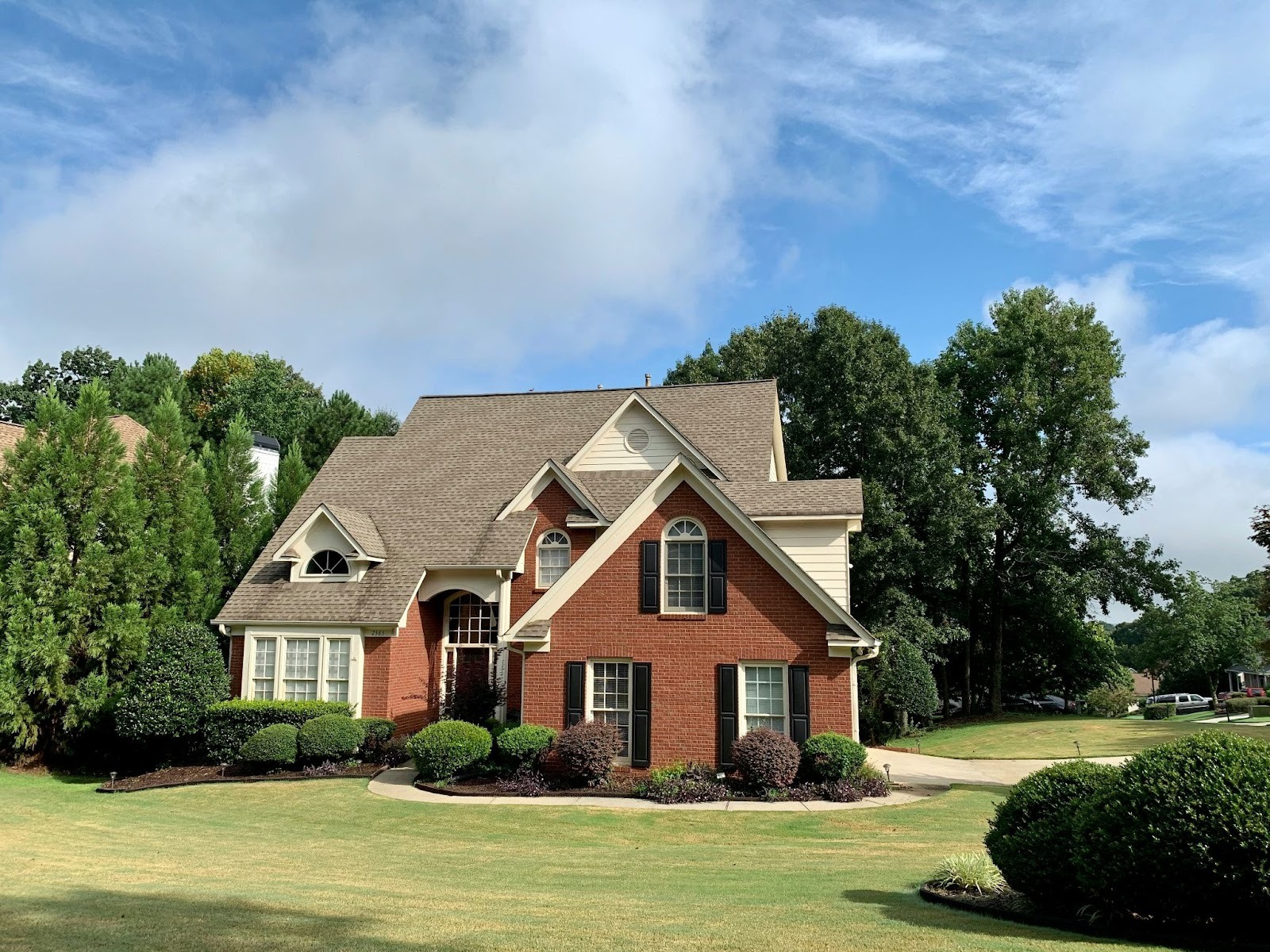
Let's have a look at some of the property focuses that you need to have year after year.
Protect the Structure First
Before you think about upgrades or cosmetic improvements, focus on the structure. Your roof, foundation, framing, and load-bearing systems matter far more than anything that you are able to decorate. Start with the roof; it shields absolutely everything underneath it.
Even minor damage can allow moisture in, and moisture is very expensive. Stained ceilings, mold, warped wood, and insulation damage can all add up extremely quickly. If you notice missing shingles, sagging sections, or granules collecting in your gutters, then you need to make sure that you are contacting a professional roofing company for an inspection.
Addressing issues early means that you're going to prevent major repairs later on. Next, you need to look at your foundation. Walk the perimeter of your property twice a year and watch for things like widening cracks, shifting soil, or pooling water near the base of the structure. Structural maintenance is unglamorous, but it is something that protects your entire asset.
Stay Ahead of Water Damage
Water is one of the biggest threats to property owners. Leaks rarely announce themselves loudly, and they can start off extremely small, such as a slow drip under a sink, a loose seal around a window, or a clogged gutter that overflows when you have heavy rain, which can all cause issues later down the line. Inspect your sinks and around your toilet; regulate and make sure that you check the caulking around tubs and showers.
Have a look at your ceilings for any discoloration. If you see any signs, you need to take action. Make sure that your gutters are always kept clear, as water should always move away from the foundations and not towards them. Exterior maintenance also matters here; you need to schedule periodic pressure washing as it can help to remove mold, algae, and debris that can actually trap moisture against siding and concrete. Clean surfaces often last longer and resist rot.
Water prevention is something that's going to save you money as a property owner, and it protects indoor air quality at the same time.
Create a Preventive Maintenance Calendar
Reactive repairs cost far more than planned ones. Instead of waiting for something to break, you need to have a look at planning a yearly scheduled service for HVAC systems before peak heating and cooling seasons and make sure that you are replacing your air filters consistently throughout the year. You should also think about flushing your water heater annually and testing the smoke and carbon monoxide detectors every few months.
You can simply do this by putting reminders in your calendar and treating them like an appointment that you aren't able to miss. When you maintain the systems in your property properly, they run more efficiently, and they are going to last longer for you. That means fewer emergency calls out and more predictable expenses.
Budget for Repairs Before You Need Them
Every property is going to age; appliances will wear out, roofing materials will reach the end of their lifespan, and paint is gonna fade. But if you wait for something to fail, you need to think about the cost. You are going to be putting yourself under a lot of pressure. Instead, try to build a maintenance reserve fund. A common guideline is setting aside one to three percent of your property's value annually for its upkeep.
The exact number is going to depend on a lot of things, such as the age and condition of your property. But this fund is going to give you plenty of options when repairs do crop up. You can act quickly without having financial pressure, and you can take quick action, which means that you are going to reduce the risk of more damage. When you are prepared, you are able to stay more in control.
Improve Efficiency Where It Counts
Efficiencies support long-term value. You need to start with things like installation and sealing, and make sure that you are checking your home for drafts around the windows and doors. If you find any, you should seal them and add insulation where it is thin. Use things like programmable thermostats and LED lighting so that you can be more energy efficient.
Efficient systems experience much less strain, and that reduces a lot of wear and lowers the operating costs of your home. These improvements make your property far more attractive if you do decide to sell it in the future. Efficiency is not about following trends in the slightest; it's all about making sure that you are protecting the performance of your home.
Keep the Exterior Clean and Controlled
Curb appeal definitely matters in exterior maintenance. It's more about looking at your home than the appearance. Dirt, mildew, and organic growth trap moisture against the surfaces, and over time, this can lead to things like material breakdown.
Pay attention to the landscaping as well; you should be trimming trees away from the roof and keeping roots from creeping towards the foundations. When you do this, it's going to look.
Conclusion
Smart property owners are always going to be thinking about the long-term plan when it comes to the home. They are going to make sure that they are doing things like protecting the structure of the home, following a maintenance schedule, and budgeting ahead for repairs.
When you are a property owner, it does not mean that you need to be constantly renovating, but it does mean that you need to have attention and consistency. Stay proactive as much as you can and make sure you plan financially for the inevitable.