



You can usually tell when a home’s exterior needs attention without even trying. The driveway looks a shade darker than it should, the front steps feel a bit grimy, and the siding loses that clean, sharp look it had after the last good rinse.
What’s tricky is that the buildup often happens slowly, so it starts to feel normal. For high value homes, though, regular pressure washing is less about vanity and more about keeping surfaces in good shape, avoiding preventable wear, and making inspections easier. That is why some owners keep it on a simple schedule with providers like End Result Services, so the exterior stays consistent without turning into a bigger project later.
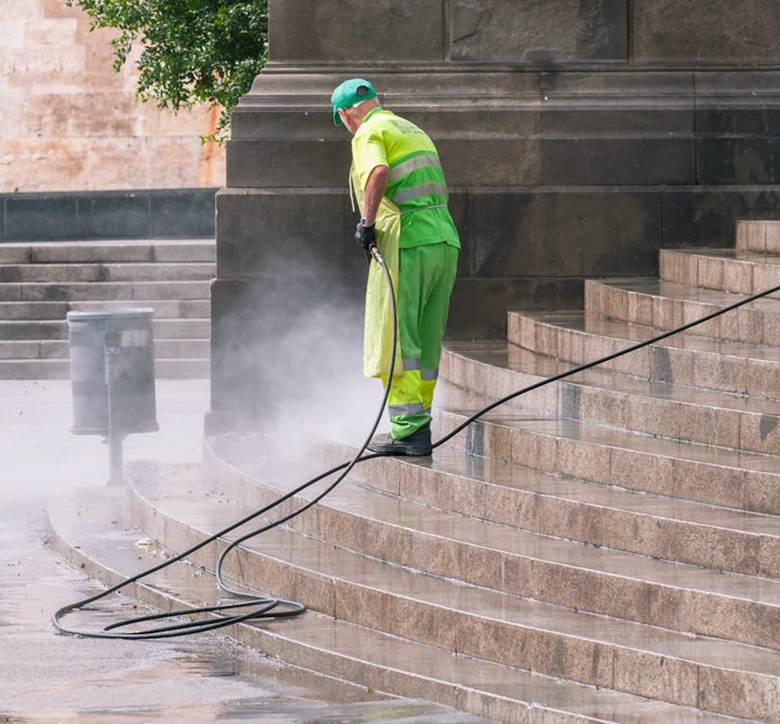
Protects Paint, Stucco, and Stone
Grime is usually a whole mix of things, like dust, pollen, car exhaust, and those tiny spores that float around and settle wherever they can. When it sits there and stays a little damp, it starts clinging harder, and that is when paint can look tired and stains can sink in. After a while, the surface almost learns to hold onto dirt, so it gets dingier faster and takes more effort to clean.
On high value homes, the finishes tend to look amazing, but they also need a lighter touch to stay that way. When the pressure matches the material, the texture stays intact and you avoid that etched, worn look. It also helps with the shady spots where moisture hangs around longer, because that is usually where the green stuff starts showing up first.
A nice side effect is how much easier it is to actually see what is going on once the buildup is gone. Little cracks, loose caulk, and worn grout lines stop hiding in plain sight, so they are easier to catch early. That way, a small fix stays a small fix, instead of turning into a bigger patch job later.
Brings Back Curb Appeal
A home can read “tired” simply because concrete and siding are unevenly stained. Driveway tire marks, sprinkler overspray, and gutter drips create dark paths that draw the eye. Pressure washing lifts that film so the exterior looks brighter without repainting.
This is useful for rentals where turnovers move fast and photos drive applications. Clean walkways and entries help the property look cared for, even before landscaping is touched. It also helps owners delay expensive upgrades that are not yet needed.
Curb appeal also affects how residents treat shared areas. When the place looks maintained, tenants tend to report issues sooner and keep spaces cleaner. That feedback loop reduces wear, especially around high traffic paths and common entrances.
Gets Surfaces Ready for Sealing and Paint
Pressure washing is also a quiet prep step, especially when an owner plans to reseal pavers or repaint trim. Dirt, chalky residue, and mildew can keep coatings from bonding well, even if the surface looks “fine” from a distance. When a finish fails early, it is often because the surface was not clean enough before the work started.
This matters on high value homes where materials are expensive and the expectations are higher. A clean driveway takes sealer more evenly, and refreshed trim holds paint longer when grime is not trapped underneath. Even simple upgrades like new house numbers or updated lighting look better when the surrounding surfaces are clean.
For rentals, this section also ties into turnover speed and fewer call backs. If a patio is being resealed or a front door is being repainted, a wash beforehand helps the result look consistent in photos and in person. It also reduces the odds of tenants noticing peeling, bubbling, or patchy spots a few months later.
Helps Prevent Slips on Walkways
Algae and mildew can create slick surfaces long before they look “green.” This shows up on north facing steps, shaded pavers, and smooth concrete near downspouts. A regular wash helps reduce that slippery layer before someone takes a bad step.
Safety is not only about the tenant, it is also about the owner’s exposure and stress. When a walkway is visibly dirty, people assume other maintenance is being ignored too. Small fixes like clean paths can lower complaints and reduce tense conversations.
If runoff is not managed well, cleaning can create a different kind of problem. The University of North Carolina’s EHS guidance recommends blocking storm drains, doing dry cleanup first, and preventing dirty wash water from entering drains.
For managed properties, it helps when residents can report slick areas right away. Using a simple maintenance request form keeps details captured, including photos and exact locations. That makes it easier to plan cleaning before the next rain cycle.
Cuts Down on Costly Repairs
Exterior buildup can trap moisture against surfaces, and moisture is what drives a lot of slow damage. Wood trim can swell, sealant lines can weaken, and paint can start peeling earlier than expected. Even stone can show staining that becomes harder to remove later.
A consistent wash routine also helps protect roof lines and gutters from grime streaking. Those dark trails often come from water routing problems that deserve a closer look. Once the surface is clean, you can trace where water is traveling and adjust drainage.
Owners of high value homes usually care about cost control, not just appearance. Pressure washing is often cheaper than repeated patch repairs, especially on large hardscape areas. It also supports better vendor planning because work can be grouped seasonally.
Keeps Tenants Happier and Records Clear
On rentals, exterior cleanliness affects daily life in small ways. Dirty entries make move ins feel messy, and stained patios become places tenants avoid using. When the outdoor areas feel cared for, residents tend to stay longer and treat the home better.
A clean exterior also supports clearer accountability between owners, residents, and managers. If a tenant reports a stain or leak, a clean baseline makes changes easier to document. That clarity helps with renewals, deposit discussions, and planning larger capital work.
Payment and scheduling also run smoother when renters have simple online options. Many residents prefer setting recurring drafts through a pay rent portal because it reduces missed due dates. Fewer late payments mean fewer stressful reminders, which improves the tone of the relationship.
Pressure washing also needs smart water handling, especially on driveways and near street gutters. The City of Eugene’s pressure washing best practices warn that discharges to storm systems can count as illegal dumping in many areas.
A simple maintenance rhythm works best for high value homes, whether owner occupied or tenant occupied. Plan washes around seasons, shade patterns, and high traffic areas, then document what changed after each visit. Keep pressure matched to materials, keep runoff contained, and treat cleanliness as preventive care instead of a rescue job.