



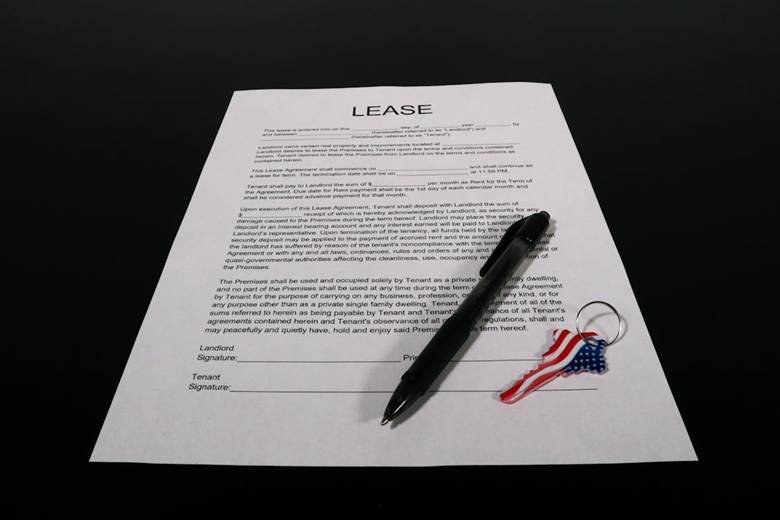
If you’re an older homeowner, you may be interested in renting out your home. But if you have a reverse mortgage, it can be hard to know if you’re allowed to do that. After all, a reverse mortgage is a loan with specific rules, and you’ll need to meet certain criteria to lease your home.
Don’t make assumptions that lead to financial trouble. Instead, keep reading so you can understand the nuances of reverse mortgages and see if leasing is allowed.
Defining Reverse Mortgages
Think of a reverse mortgage as a loan for older homeowners. Typically, these are homeowners with a lot of equity in their home that can be converted into cash through the loan. You can keep living in your home and supplement your income without needing to make monthly payments.
Ultimately, when you sell your home, the loan balance will be repaid. You’ll still be responsible for making homeowners’ insurance payments and covering taxes. But, overall, these loans can help you manage expenses, and you won’t be taxed on income.
The catch, however, is that you must treat the home as your primary residence. If you’re considering leasing, you’ll want to understand how residency impacts that goal. Explore the best reverse mortgage options and understand what it takes to qualify.
Examining the Owner-Occupancy Rule
If you’re thinking about a reverse mortgage, make sure that you’re spending most of the time living in your home. In technical terms, that translates to spending at least one day beyond half the year in your home. If you’re mostly living in vacation homes elsewhere or travelling, you may not qualify.
Since you’ll need to be in the home over half the year, you won’t be able to pursue long-term leases. And if you’re not spending enough time in the home, the loan amount will be due. But if you hit the minimum occupancy timeframe, you may be able to pursue some short-term leasing options.
Considering Potential Leasing Situations
As long as you meet the owner-occupancy rule, you can consider some rental options for your home. For instance, you could offer it for short-term rentals of three months. If you live in a sought-after area or have a growing workforce nearby, short-term leases can be attractive for many people.
Maybe you want to rent out a room, like a basement bedroom with a kitchenette. This, too, could be an appealing option for traveling nurses or individuals newly moved to your area.
You can go on trips for a few weeks or even leave the country. As long as you can show that you’re still occupying your home as a primary residence, these leasing situations are usually allowable. Just be sure to touch base with your lender to avoid making any violations.
Understanding When a Loan Becomes Due
If you sell your home, then the reverse mortgage will be due. Likewise, if you leave the home and it can no longer be considered your permanent residence, the loan will become due. It makes the most sense to pursue a reverse mortgage when you don’t anticipate moving for a long time.
If you pass away, need to move to an assisted living facility, or discontinue home maintenance, those are situations where monthly payments can begin. Similarly, failing to pay taxes or insurance can trigger a loan becoming due.
Knowing What Documentation Is Essential
Without proper documentation, lenders may question whether a lease is allowable. And they might question whether the homeowner actually lives in the home. Homeowners or property managers should be prepared for these situations.
It’s important to have evidence that the reverse mortgage borrower actually lives in the home, potentially including occupancy certification. Proof of the reverse mortgage agreement should be somewhere accessible, as well.
Additionally, plan on having documentation related to the current homeowners’ insurance policy. These documents can help protect the homeowner and demonstrate that the leasing situation is acceptable.
Looking into Reverse Mortgages
Are you still wondering if you can lease a home with a reverse mortgage? Generally speaking, as long as you meet critical requirements, you can. But you’ll have to commit to short-term or seasonal leases to stay within the requirements.
You’ll need to make your home your primary residence, too. It’s always wise to play it safe and talk with your lender. Be clear on what can trigger a repayment, and what you’ll need to do to stay compliant.