



Let's Talk About the Stuff Nobody Wants to Deal With
Managing rental properties in Texas is already a lot. Extreme heat warping door frames, rapid tenant turnover in cities like Dallas, Houston, and Austin, and a never-ending to-do list that somehow multiplies overnight. Most property managers handle the obvious stuff pretty well.
Biohazard and hoarding situations are the ones that catch people completely off guard. Nobody wants to spend mental energy preparing for a scenario that feels unlikely until it's suddenly very, very real. And by then you're already behind.
These aren't just cleaning problems you can throw a crew at. They're genuine health risks, serious liability exposure, and if you mishandle one, the financial damage can follow you for a long time.
What Even Counts as a Biohazard?
A lot of landlords picture crime scene tape and hazmat suits. The reality is much more ordinary, which is actually what makes it more dangerous.
A biohazard is any biological material that poses a health risk. Blood, bodily fluids, human or animal waste, hazardous chemical residues. The scenarios that come up most often are unattended deaths, hoarding environments where waste has built up over months or years, and units used for drug activity.
What's most concerning is how invisible these situations can be at first. A unit looks cluttered or badly cleaned. Nothing screams emergency. But pathogens sitting in the carpet, the drywall, and the ventilation system don't care how the place looks on the surface.
Texas law requires landlords to provide safe, habitable conditions. If a new tenant gets sick in a unit you didn't properly remediate, that liability is yours.
Why Your Regular Cleaning Crew Can't Fix This
Sending your standard cleaning team into a biohazard situation isn't just ineffective. It can actively make things worse.
Regular cleaning products aren't designed to neutralize dangerous bacteria, viruses, or chemical residues. An untrained person moving through a contaminated space can spread pathogens to areas that weren't originally affected. Now you've got a bigger problem that's harder to find.
Routine cleaning is washing your hands before dinner. Biohazard remediation is surgical sterilization. Completely different tools, completely different standards. A unit that looks clean after an improper cleanup isn't safe. It's just harder to identify as a problem, which is arguably worse.
The Warning Signs You Should Never Brush Off
The situations that get truly expensive are almost never sudden. They showed early signs that didn't get taken seriously.
Watch for these:
Odors that persist even after cleaning and airing the unit out
Clutter blocking exits, windows, or basic living spaces
Visible pest infestation or waste accumulation
Staining on floors, walls, or ceilings suggesting fluid has soaked through
One of these warrants a closer look. More than one and you should be calling a professional before you set foot inside.
How to Actually Respond When It Happens
The first instinct for a lot of managers is to go in and assess the damage themselves. Don't.
Stay out of heavily contaminated areas. You don't have protective equipment and you risk becoming part of the contamination problem. Document what you can observe safely. Photos, notes, timestamps. That record matters for insurance and gives you a clear timeline if questions come up later.
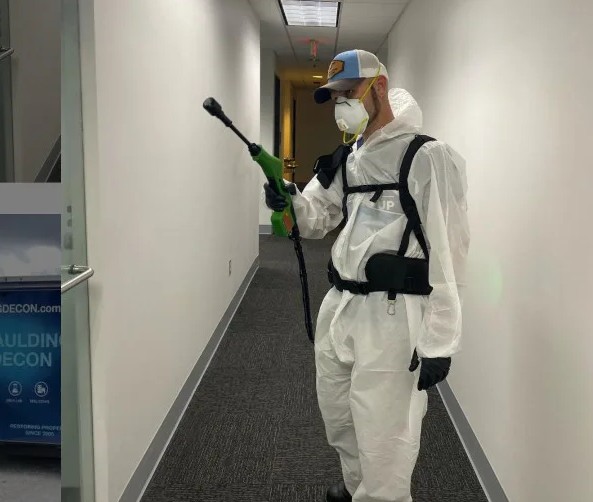
Then, bring in professionals. A proper remediation team assesses the contamination level, contains affected areas, removes hazardous materials, and restores the property to a condition that's actually safe for the next occupant.
Why Specialized Services Actually Matter Here
Not every cleaning company is equipped for this and that gap matters more than people realize in practice.
Companies like Spaulding Decon exist specifically for this kind of work. Proper equipment, trained teams, established protocols. The Flower Mound Biohazard and Hoarding Cleanup team offers localized expertise that means faster response times and working knowledge of Texas-specific regulations. Getting your property back into a rentable state faster isn't a small thing when vacancy is costing you money every day.
The Money Side of Things
Yes, professional biohazard cleanup costs more than a standard clean. But compare that against extended vacancy, structural damage from contamination that sat too long, or a legal claim from a tenant who moved into a unit that wasn't properly remediated.
Katie Wilson, CEO, puts it plainly: "The key is not just cleaning the property, but resolving the situation efficiently. With proper insurance coordination, many property owners can significantly reduce out-of-pocket expenses while ensuring the job is done right."
A lot of landlords don't realize how much coverage they already have. But you need documentation and professional service records to make a claim hold up. Cutting corners doesn't just risk the cleanup quality. It risks your ability to recover any of the cost through insurance.
How to Make Sure You're Not Caught Off Guard
Regular inspections and honest conversations with tenants go a long way. Catching early signs of hoarding or neglect before they compound is almost always cheaper than dealing with a full crisis later. Building a relationship with a trusted remediation provider before you need one means you're not scrambling when something goes wrong and speed matters more than most people realize in these situations.
Don't Let a Dirty Secret Become a Costly One
Biohazard and hoarding situations are uncomfortable to think about and easy to deprioritize until they land in your lap. In a state as large and diverse as Texas they can show up in any type of property at any price point.
Know the warning signs. Have a plan before you need one. And don't try to fix something that requires specialized expertise with a mop and good intentions.
FAQs
What qualifies as a biohazard in a rental property? Blood, bodily fluids, waste, and hazardous chemical residues. Basically anything biological that creates a real health risk for people inside the property.
Can property managers handle biohazard cleanup themselves? They shouldn't. Without specialized training and equipment, you risk spreading contamination and creating a larger problem than you started with.
Does insurance cover this? Often yes, depending on your policy. Proper documentation and professional services significantly improve your chances of a successful claim.
How long does cleanup take? It varies. Some situations wrap up in a few days. More severe contamination can take considerably longer.
How do you prevent hoarding situations from escalating? Regular inspections, open communication with tenants, and acting early when you notice the first warning signs rather than waiting to see how bad it gets.





