



Lease Vs Rent House - What Actually Matters When Choosing Where To Live

At first glance, leasing and renting feel almost identical, especially if you have not dealt with housing contracts before. You pay money, you move in, and everything seems straightforward on the surface. But once you start looking closer at the details, the differences begin to show up in ways that can genuinely affect your day-to-day life.
A lot of the confusion comes from how casually people use these terms in conversations. Most people say “renting” when they actually mean any kind of housing agreement, including leasing. That overlap makes it harder to understand what you are actually signing up for when you choose leasing vs renting.
This is where clarity becomes valuable much earlier than people expect. It works in a similar way to academic decisions, where students sometimes simplify their workload using tools like EssayHub when they need to pay for essay support and stay focused on bigger priorities. Housing decisions follow that same logic, where understanding the structure early helps avoid unnecessary stress later.
Why Leasing And Renting Feel The Same - But Aren’t
The reason these terms feel interchangeable is because, technically, they belong to the same category. Both involve paying to live in a property that you do not own. That shared foundation makes it easy to assume that leasing is just a more formal version of renting.
However, the structure behind each option is what creates the real difference. Leasing is built around a fixed agreement, while renting often implies more flexibility depending on how the contract is set up. That structural difference may not feel obvious at first, but it becomes important as soon as your plans are not perfectly stable.
This is why discussions around lease vs rental are more practical than they seem. It is not about definitions, but about how much control you actually have over your living situation once you move in.
The Real Difference - Stability Versus Flexibility
The simplest way to approach this topic is to focus on commitment. Leasing usually involves signing a contract for a fixed period, often between six and twelve months, which means you are agreeing to stay for that entire duration. Renting, especially in a more flexible setup, allows for shorter commitments and easier changes.
That is where the difference between renting and letting becomes something you actually feel rather than just understand. It directly impacts how easily you can respond to changes in your life.
How Long A Lease Actually Lasts In Practice
One of the most common questions people ask is how long does a lease last, and the answer is usually based on standard market practices. Most leases run for six to twelve months, although some landlords may offer shorter or longer options depending on demand and location. This fixed timeline is what defines leasing as a more structured arrangement.
When it comes to houses specifically, how long is a lease on a house tends to follow the same pattern, although longer leases can sometimes be negotiated. Landlords generally prefer longer agreements because they reduce turnover and provide more predictable income. That preference influences what options are available to tenants.
This is where people often underestimate the importance of planning ahead. A lease is not just a formality, but a commitment that can be difficult to change once it is signed.
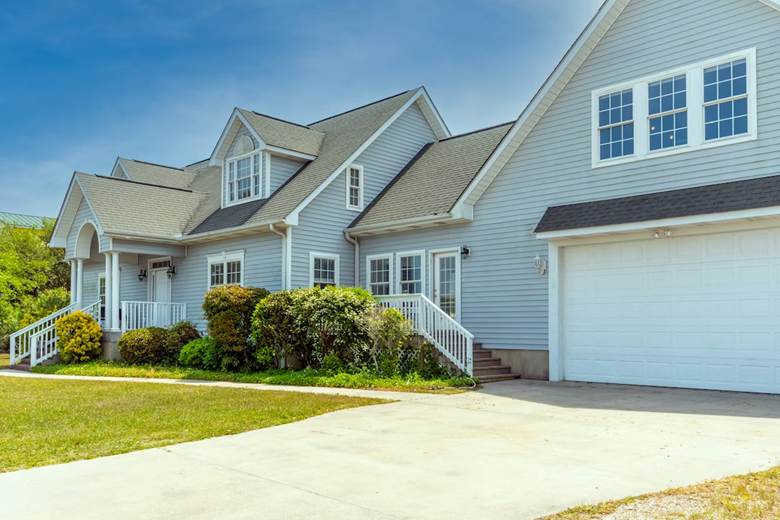
What Leasing A Home Really Means Day To Day
Understanding what is leasing a home becomes clearer when you look at how it affects everyday life. You agree to stay for a fixed period, and in return, you get consistent pricing and clearly defined expectations. That consistency can make budgeting and planning much easier over time.
In markets where prices change quickly, this stability becomes even more valuable. Locking in a rate protects you from sudden increases, which can help avoid unexpected financial pressure. For people who prefer structure, this can feel like a major advantage.
That is why decisions involving rent vs lease house setups are rarely just about cost. They are about how much unpredictability you are willing to accept in exchange for flexibility.
Can You Lease An Apartment Without Complications
Many people ask can you lease an apartment without running into difficulties, and the answer is generally yes, but with some preparation. Landlords usually require proof of income, a deposit, and sometimes a credit check before approving a lease. These requirements make the process more formal than flexible renting.
Once those requirements are met, the process becomes relatively straightforward. You sign the agreement, confirm the terms, and move in according to the contract. The structure can actually make things feel more predictable after approval.
The key is understanding what is expected before applying. That preparation reduces friction and makes the process much smoother overall.
The Financial Angle Most People Overlook
There is also a more technical aspect that rarely gets discussed in everyday conversations. The concept of lease vs rent accounting mainly applies to businesses, but it explains why leasing agreements are treated differently. This distinction affects how contracts are structured and enforced.
Leases are usually considered long-term obligations, which means they are recorded differently in financial systems. Rental payments, by contrast, are treated as shorter-term expenses. This difference creates a more formal framework around leasing agreements.
Midpoint Insight - Why This Decision Feels Bigger Than It Looks
At some point in the decision process, it becomes clear that this choice is not just about housing. It is about how much certainty you want in your life at a given moment. That realization often shifts how people approach the decision.
Samuel Gorbold, an expert in the academic world, often connects this type of structured thinking to academic choices, especially when discussing an essay writing service. The idea is that reducing uncertainty in one area creates more mental space for everything else. That same principle applies here in a very practical way.
Choosing between a house for lease vs rent is ultimately about control. It determines how much flexibility you have and how much stability you can rely on.
When Renting Is The Smarter Move
Flexible renting works better when your situation is less certain. It allows you to adapt without being tied to a long-term contract, which can reduce stress when things are still changing. This flexibility becomes especially valuable during transitions.
- You might relocate within a few months
- You are testing a new city or area
- You want minimal long-term commitment
This is where the concept of house lease vs rent becomes practical. It is less about definitions and more about timing and personal circumstances.
Final Perspective - Choosing What Actually Fits Your Life
At the end of the day, the decision between lease a house vs rent is not about choosing the objectively better option. It is about choosing what fits your current lifestyle and expectations. That distinction makes the decision feel more manageable.
Some people value stability because it reduces stress and makes planning easier. Others prefer flexibility because it allows them to adapt quickly when opportunities or challenges appear. Both approaches are valid depending on the situation.
When you look at it this way, the whole lease vs rent house question becomes much clearer. It stops being confusing and starts becoming a practical choice based on what actually works for you right now.





