



Moving to Paris from the United States is an exciting step, and it deserves to be taken calmly. The rental process here follows its own rhythm, with different customs, different paperwork, and a different pace from what you may know at home. This guide walks you through each stage softly, so you always know what to expect. Read it slowly, and let each section settle in before you move on apartment search in Paris.
The Dream Begins
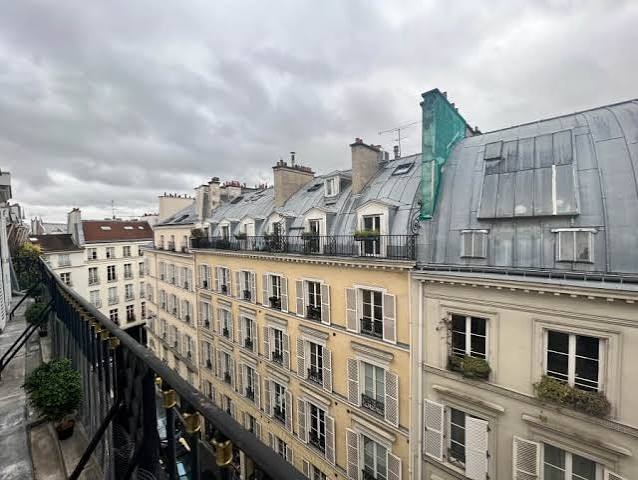
Renting an apartment in Paris often starts as a quiet daydream: a small balcony with iron railings, the smell of fresh bread drifting up from the street, and soft light falling across old wooden floors. It is a lovely picture to hold onto. The search itself asks for patience, but if you take it one gentle step at a time, it becomes far less daunting than it first seems.
Getting to Know the Neighborhoods
Paris is divided into twenty arrondissements, and each one has its own personality. The Marais is lively and full of history, Montmartre feels like a village on a hill, and the Latin Quarter hums with students and bookshops. Quieter areas like the 12th or the 15th offer more space and a calmer pace. Wander a little before deciding, because the right neighborhood usually makes itself known.
Setting a Comfortable Budget
Rents in Paris are generally higher than elsewhere in France, and apartments tend to be compact, so it is kind to yourself to set a realistic budget early. Remember that the monthly rent is only part of the picture. Building charges, electricity, internet, and insurance all add up, and a security deposit is usually required. Many landlords also hope your income is about three times the rent.
Preparing Your Documents
Paperwork can feel overwhelming, yet it is simply a matter of gathering the right papers. Most landlords ask for identification, proof of income, recent pay slips or bank statements, and sometimes a tax notice. If you have no French guarantor, rental guarantee services exist for exactly this reason. Keeping your folder ready means you can respond quickly when a lovely place appears.
Understanding Furnished and Unfurnished Leases
A furnished apartment, called meublé, usually comes with a shorter lease and suits anyone staying a year or less. An unfurnished one, called vide, tends to offer a longer lease and more stability. Neither choice is better in every case. It simply depends on how long you plan to stay and how much of your own furniture you wish to bring along.
Visiting with Calm Eyes
When you visit an apartment, let yourself notice the small details. Check the windows, the water pressure, the heating, and how much natural light enters in the afternoon. Look at the stairwell too, since many beautiful Parisian buildings have no lift. These quiet observations often tell you far more than any photograph can, and they help you choose with confidence.
Reading the Lease Slowly
Before signing, take your time reading the lease and ask about anything that feels unclear. This is never a sign of difficulty, only of good care. French rental law protects tenants in many ways, and understanding your rights brings real peace of mind. A patient reading now can save you from small worries later, once you have settled in.
Welcoming Moments of Doubt
It is perfectly natural to feel uncertain along the way. Almost everyone who has rented in Paris has faced a missed viewing, a confusing form, or a moment of doubt. These are part of the journey rather than signs that you are doing something wrong. Be gentle with yourself, take a breath, and keep going at your own pace.
Frequently Asked Questions
Can I rent a Paris apartment without a French guarantor?
Yes, you can. Rental guarantee services and some bank-backed deposits are designed for newcomers without a French guarantor, and many landlords accept them with a complete, well-prepared folder.
How much should my income be compared to the rent?
Most landlords hope for an income of about three times the monthly rent. If you are a little below that, a strong folder and a guarantee service can still help your application.
Should I choose a furnished or an unfurnished apartment?
A furnished meublé lease suits shorter stays of a year or less, while an unfurnished vide lease offers longer stability. Your choice depends on how long you plan to stay.
What extra costs should I expect besides rent?
Building charges, electricity, internet, and insurance are common additions, and a security deposit is usually required at signing. Planning for these early keeps the budget comfortable.
Is it normal to find apartments without a lift?
Yes, very much so. Many charming Parisian buildings are older and have no lift, so check the stairwell during your visit.
Conclusion: Opening the Shutters
Then comes the day you receive the keys, climb the stairs, and open the shutters onto a city that finally feels like yours. All the waiting and preparation suddenly seem worthwhile. With patience, preparation, and a kind spirit, that morning will arrive for you too, and Paris will be waiting with open arms.