



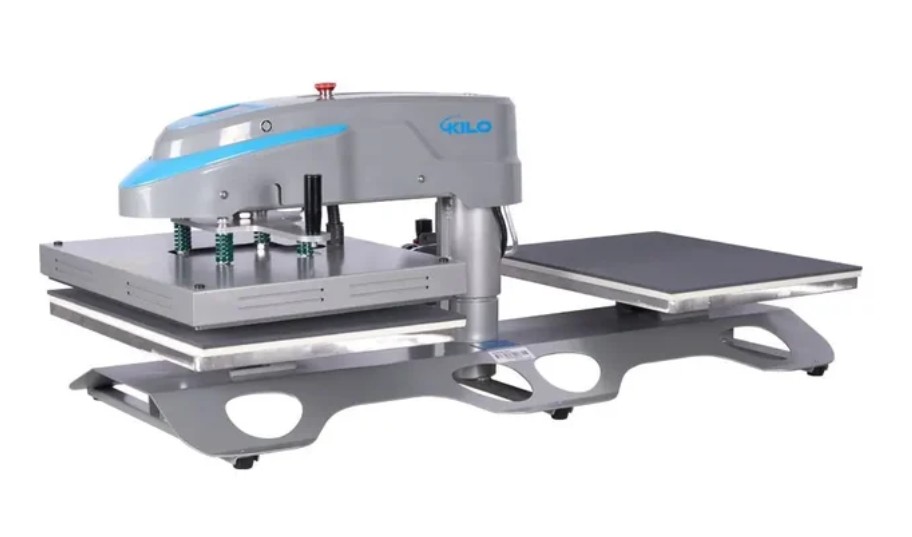
With the holiday season approaching, many small businesses and hobbyists are preparing custom shirts, tote bags, and gifts for customers. A heat press machine is the tool that makes those transfers possible, and understanding how it works helps owners get consistent results. The principle is simple, but small variables in temperature, pressure, and timing can separate a clean, lasting transfer from one that peels in the first wash.
How a Heat Transfer Works
Most garment designs are printed or cut on a transfer sheet that carries a layer of heat-activated adhesive. When the press brings the design against the fabric with heat and pressure, the adhesive softens, flows slightly into the fibers, and then sets as it cools. The three variables of heat, pressure, and time all matter, and changing one usually means adjusting the others.
Heat, Pressure, and Time
Too little heat leaves the adhesive underactivated, so the design lifts at the edges. Too much heat can scorch the fabric or distort the transfer. Pressure matters just as much, because even contact is what pushes the adhesive into the weave, and thick or textured items need firmer pressure than flat cotton. Time ties them together, since a few seconds more or less can change the bond. Most transfer sheets list a recommended range, and a test piece on scrap fabric shows whether the settings are right.
Pneumatic Pressure and Dual Platens
A pneumatic heat press uses compressed air to close the platen, the heated plate, with steady force, instead of relying on an operator to pull a handle. That steadiness gives consistent results across a long run and reduces strain on the hands. A dual platen design carries two lower plates on a rotating arm, so one garment can be loaded while the other is being pressed. The workflow is similar to an assembly line, and it saves time during a busy season.
The Swing Head and Safety
A swing-away head moves the hot platen to the side while the operator loads the garment, which keeps hands clear of the heated surface and gives a better view of the work. Burns are the most common injury around a press, so keep fingers away from the plate, use heat-resistant gloves for adjustments, and never leave a hot press unattended.
Preparing the Garment
A few steps before pressing improve results. A short pre-press of a few seconds removes moisture and wrinkles from the fabric, which helps the transfer lie flat. Lint and dust on the garment can interfere with adhesion, so a quick roll with a lint roller helps. Placing a protective sheet over the transfer prevents scorching and keeps residue off the upper platen.
Peeling and Finishing
Transfers are either hot-peel or cold-peel, which describes when the carrier sheet is removed, and following the instructions for the specific sheet matters. Peeling too early can lift the design, while waiting too long on a hot-peel type can make it harder to release. After the transfer cools, a second short press with a cover sheet can improve the finish and the bond.
A Tool for the Busy Season
For a small shop that takes orders for shirts, uniforms, or team gear, a reliable heat press machine can turn a pile of orders into a steady routine. Keeping notes on the settings that worked for each fabric and transfer type makes repeat jobs faster, and regular cleaning of the platen keeps the finish clean through the whole season.