



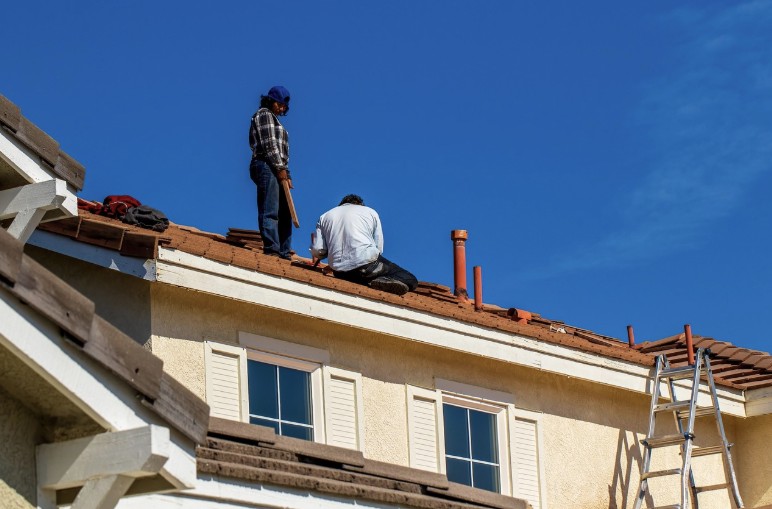
Roof Emergency in your rental property?
It happens to every landlord. You get that phone call from your tenant about water dripping through the ceiling. You now have an emergency situation on your hands that you need to handle immediately. The problem is emergency roof repair can be very disruptive, stressful, and costly if you don't know how to handle it.
Don't panic.
Property owners can effectively manage roof emergencies so that repairs happen quickly while minimizing impact on your tenants. You just need to have a plan in place and know what to do.
In this guide, you'll learn:
Why You Should Act Quickly On Roof Emergencies
The Ultimate Emergency Response Plan
Communicating With Your Tenant
Choosing Roof Repair Contractors
How to Avoid Future Emergencies
Why You Should Act Quickly On Roof Emergencies
Roof leaks don't take a vacation.
Whenever severe weather strikes or shingles start failing the clock starts ticking on emergency roof repair.
Water damage also spreads FAST.
A small leak can turn into growing mold spots on the ceiling, damaged drywall, soggy carpet, warped flooring….you get the picture. In fact, recent statistics show Americans spent nearly $31 Billion on roof repairs in 2024. Yikes!
But for landlords roof damage that isn't addressed quickly can lead to:
Tenant complaints
Legal liability if the property is uninhabitable
More expensive repairs due to secondary damage
Losing good tenants over frustration
So the quicker you can respond to an emergency the better off everyone will be. That is why it's so important to already know who to contact for expert roof repair services.
The Ultimate Emergency Response Plan
Alright cool. Your tenant reports a problem with the roof. Now what?
You need to take immediate action by following these steps:
Step 1: Gather Information
Call the tenant ASAP to get more information. Where is the leak? How severe is it? Are there multiple areas affected? Take notes and request pictures or videos if possible.
Step 2: Temporary Roof Repair
Next, do what you can to protect the property until professionals can arrive. Put buckets under leaks, move furniture away from wet areas, cover exposed areas with tarps from outside.
The goal of these quick temporary repairs is to keep small problems from becoming disasters while you wait for a permanent solution.
Step 3: Call Roofers
This is not the time to try DIY repairs. You want licensed contractors that can:
Correctly assess the damage
Make safe and long-lasting repairs
Provide documentation for insurance claims
Assist with permits if necessary
Step 4: Document Everything
Photograph the damage before repairs begin and after work is completed. Save all invoices and communications related to roof repair. This protects both you and the tenant if issues arise down the road.
Communicating With Your Tenant
Let's talk about tenants for a minute.
When something goes wrong in a rental property, how you communicate with your tenants can make or break their willingness to work with you.
Think about it…
Nobody likes to be surprised with major repairs or contractors in their home. Tenants who feel ignored or uninformed will get frustrated quickly. But tenants who are given ample warning and regular updates are more likely to be accommodating, even if the repair takes weeks.
Follow these simple rules for tenant communication:
Notify tenants when contractors will be coming
Provide expected timeframes for repairs
Give advance notice for noisy work or access
Keep tenants updated if there are delays
And remember, keep it simple. A text like "Roofers will be at the house tomorrow from 9-2. They will need access to the attic. Please secure pets." is sufficient.
No need to write a novel.
If temporary relocation is necessary…
In some cases roof repairs may render a unit uninhabitable, at least temporarily. If this is the case:
Landlords should provide alternate housing options or rent credits
Landlords should cover reasonable relocation expenses
Tenants should be given a clear timeline for return
Fair treatment during an emergency goes a long way. Tenants won't forget how you treated them if something unexpectedly happens.
Choosing Roof Repair Contractors
Roof repair isn't a DIY project, but not all contractors are equal either.
You want experienced roofing professionals that:
Respond quickly to emergency calls (same or next-day)
Provide 24/7 emergency roof repair service
Are licensed and insured
Have experience with rental property repairs
Are highly recommended by other landlords
Watch out for roofers that:
Require full payment up front
Don't provide written estimates or contracts
Are vague on time estimates and answering questions
Pressure you into unnecessary repairs
The best time to find and build a relationship with quality roof contractors is BEFORE an emergency happens. Don't wait until the next storm rolls through to start searching online.
Good landlords always have a list of trusted contractors ready to go.
How to Avoid Future Emergencies
Wait…what if I told you there was a way to prevent roof emergencies entirely?
Facts show that 33% of homeowners replace their roofs due to leaking issues. A lot of leaks can be prevented by simple maintenance and just taking care of problems early on.
Schedule annual roof inspections.
Professional inspectors can spot potential problem areas before they cause emergencies. Aim to have roofs inspected yearly and after severe storms.
Here are some common things inspectors look for:
Missing/damaged shingles
Cracked flashing
Clogged gutters
Wear around roof penetrations
Previous repairs failing
Maintain your gutters.
Clogged gutters lead to a LOT of roofing emergencies. Water backs up behind the clog and works its way under roof materials causing leaks. Keep those gutters clean!
Fix minor problems right away.
Don't procrastinate on small repairs. That missing shingle? Replace it today. That small crack in flashing? Seal it now. Taking care of these minor issues yourself will cost way less than emergency roofing repairs and keep your tenants from ever getting annoyed.
A quick ounce of prevention truly is worth a pound of cure.
Know when your roof was installed.
Age plays a big role in roof maintenance. Knowing how old your roof is and what materials were used will help you predict when it may need replacing. This allows you to budget for the future instead of getting hit with emergencies.
Wrapping Up
Dealing with emergency roof repairs on rental properties doesn't have to be stressful. If you respond quickly, communicate effectively, and use quality contractors then you can minimize damage and tenant impact.
Let's review:
Act quickly when you receive tenant roof complaints
Protect the property from further damage
Use experienced professionals for permanent repairs
Communicate with your tenant every step of the way
Perform regular maintenance to prevent emergencies
Landlords who manage emergencies successfully are the ones who keep quality tenants for the long haul. And with how competitive the rental market is today tenant retention should be your top priority.
Don't wait for the next hail storm to bombard you with calls from tenants. Reach out to reputable roofing contractors now, schedule annual inspections, and create a proactive emergency plan.
Your tenants (and bank account) will thank you later.





