



From Permits to Plants: How Tazscapes Manages Calgary Landscaping Projects
Quick Answer
A successful landscaping project flows from careful planning and permit approval through thoughtful design and skilled installation. Homeowners who understand the sequence - securing approvals, preparing the site, installing hardscape elements, then adding plants - avoid costly delays and protect their investment. Clear communication, realistic timelines, and working with experienced professionals ensure the final outdoor space aligns with both vision and local regulations.
Introduction
Imagine stepping into your backyard and seeing exactly what you've envisioned: a seamless blend of functional patios, lush planting beds, and thoughtful lighting that extends your living space into the outdoors. That transformation doesn't happen by accident - it's the result of a deliberate, well-managed process.
Navigating the journey from initial concept to final planting requires coordination across multiple specialties. Whether you're reviewing design concepts, securing municipal approvals, or scheduling installations, having a single point of contact reduces stress and prevents miscommunication. For homeowners seeking a streamlined approach, working with a dedicated team like Tazscapes can help ensure every detail aligns with municipal requirements and your personal vision.
This guide walks you through each phase of a professional landscaping project - from permits and planning to planting and final touches - so you know what to expect, how to prepare, and why the sequence matters. By understanding the process, you'll feel confident making decisions that protect your investment and bring your outdoor vision to life.
The Landscaping Project Lifecycle: From Paperwork to Planting
A well-executed outdoor transformation follows a logical sequence that balances regulatory requirements, construction practicalities, and horticultural timing. Understanding each phase helps homeowners set realistic expectations and make informed decisions along the way.
Phase 1: Planning and Permit Acquisition
Before any equipment arrives on site, successful projects begin with thorough planning. This stage typically involves a detailed site assessment - evaluating soil conditions, drainage patterns, existing vegetation, and sun exposure. Collaborating with experienced landscape designers ensures your vision aligns with practical constraints and municipal bylaws.
Most Canadian municipalities require permits for structural elements like retaining walls over a certain height, permanent irrigation systems, or significant grading changes. Skipping this step can lead to work stoppages or fines. Below is a quick reference for common permit triggers:
Project Element | Typical Permit Required? | Notes |
Retaining wall > 0.6 m | Yes | Engineering stamp often needed |
Deck or patio (attached) | Yes | Must meet setback requirements |
Fence (over 2 m) | Yes | Height restrictions vary by zone |
Tree removal | Sometimes | Protected species may require approval |
Irrigation system | Sometimes | Backflow prevention certification required |
Phase 2: Site Preparation and Hardscape Installation
Once approvals are secured, physical work begins with site preparation. This includes utility locates (always call before you dig), clearing, grading, and establishing proper drainage slopes. Getting the foundation right prevents future issues like water pooling or shifting structures.
Hardscape elements - patios, walkways, retaining walls, and outdoor kitchens - are installed next. These features form the skeleton of your outdoor space and must be built to withstand Canadian freeze-thaw cycles. Working with skilled landscape contractors who understand local soil conditions and material specifications is crucial for long-term durability.
Key installation sequence for hardscape elements:
- Establish final grades and drainage paths
- Install underground utilities (irrigation, low-voltage lighting)
- Place and compact base materials (gravel, sand)
- Lay pavers, stone, or concrete with proper edge restraints
- Allow curing time before heavy use
Phase 3: Softscape and Planting Execution
With hardscape elements in place, attention shifts to the living components of your landscape. Soil preparation is critical: amending native soil with organic matter improves drainage, nutrient availability, and root establishment. This step is especially important in regions with heavy clay or sandy soils common across Canada.
Plant selection should reflect your hardiness zone, sun exposure, and maintenance preferences. In areas with shorter growing seasons, such as those encountered in Calgary landscaping projects, timing planting for late spring or early fall maximises establishment before temperature extremes.
Consider these factors when choosing plants:
- Hardiness zone: Select species rated for your region (e.g., Zone 3–4 for much of the Prairies)
- Mature size: Account for full growth to avoid overcrowding
- Water needs: Group plants with similar requirements for efficient irrigation
- Seasonal interest: Mix evergreens, flowering perennials, and ornamental grasses for year-round appeal
Phase 4: Final Inspection and Handover
The final phase ensures everything meets agreed-upon standards and functions as intended. A thorough walkthrough with your project lead allows you to note any adjustments needed - whether it's tweaking sprinkler coverage or refining planting placement.
Reputable teams provide documentation including plant care guides, irrigation system maps, and warranty information for materials and workmanship. This handover empowers you to maintain your new outdoor space with confidence.
What's Next: Maximising Your Landscaping Investment
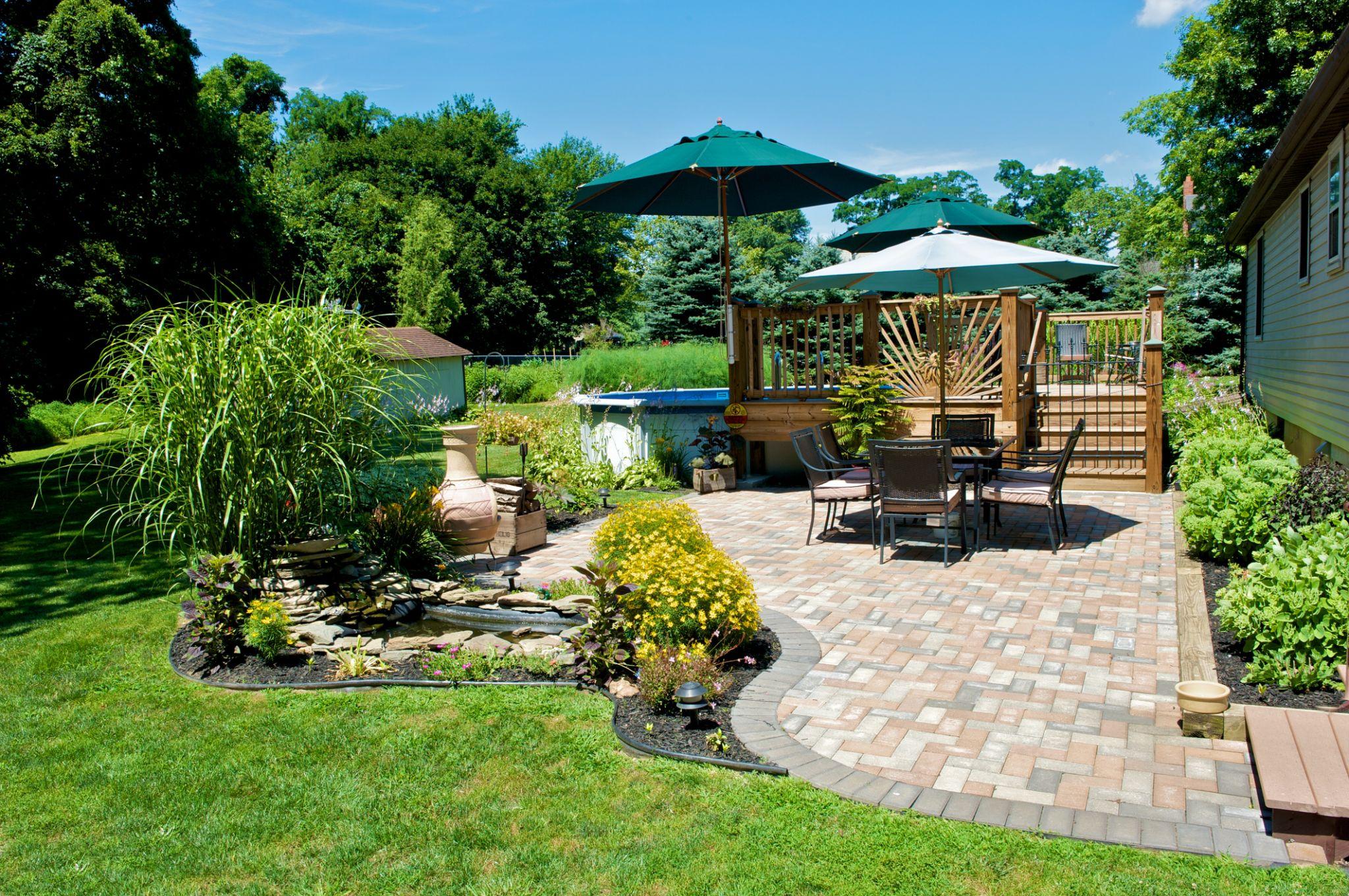
Your newly completed outdoor space is ready to enjoy - but a little foresight now ensures it continues to thrive for years. This section covers practical steps to protect your investment, maintain curb appeal, and plan for future enhancements.
Establish a Seasonal Maintenance Routine
Landscapes in Canada face distinct seasonal challenges. A proactive maintenance plan helps prevent small issues from becoming costly repairs. Consider this simplified seasonal checklist:
Season | Key Tasks | Why It Matters |
Spring | Clean debris, inspect irrigation, aerate lawn, prune winter-damaged branches | Prevents disease, ensures efficient water use, promotes healthy growth |
Summer | Deep-water new plantings, deadhead flowers, monitor for pests | Supports establishment, extends bloom time, catches issues early |
Fall | Apply mulch, plant bulbs, winterise irrigation, tidy perennials | Protects roots from freeze-thaw, prepares soil for spring, prevents pipe damage |
Winter | Avoid piling snow on planting beds, check for ice damage on structures | Reduces soil compaction, protects hardscape integrity |
New plantings typically require more frequent watering in their first two years. Set calendar reminders to stay consistent - this single habit dramatically improves survival rates.
Document and Leverage Warranties
Reputable landscape companies provide warranties on materials and workmanship. Keep these documents organised and note key details:
- Coverage period (e.g., 1 year for plants, 2–5 years for hardscape)
- What's included (labour, materials, or both)
- Required maintenance to keep warranties valid (e.g., winterising irrigation)
Store digital copies in a dedicated folder and share access with household members. If an issue arises, having documentation ready speeds up resolution.
Plan for Evolution, Not Just Completion
Your outdoor needs will change over time - perhaps you'll want to add lighting for evening gatherings, expand a garden bed, or introduce edible landscaping. When working with landscape designers or contractors on future projects, reference your original plans to ensure new elements integrate seamlessly with existing infrastructure.
A few forward-thinking considerations:
- Utility access: Leave room for future irrigation zones or low-voltage lighting circuits
- Soil health: Continue amending beds annually to support plant diversity
- Flexible hardscape: Design patios with expansion joints or modular pavers for easier future adjustments
When to Seek Professional Support
While many maintenance tasks are DIY-friendly, certain situations benefit from expert attention:
- Significant drainage issues or erosion after heavy rain
- Structural concerns with retaining walls or decks
- Large-scale redesigns or additions to existing landscapes
Consulting experienced professionals for these scenarios helps avoid unintended consequences and ensures compliance with local bylaws. Their insight can also reveal opportunities you might overlook - like using native plants to reduce long-term maintenance or selecting materials that age gracefully in your climate.
Final Thoughts: Your Path to a Thriving Outdoor Space
Transforming your yard from concept to reality is a journey worth taking - one that blends creativity, planning, and skilled execution. By understanding the sequence from permits to planting, you're better equipped to make decisions that protect your investment and bring lasting joy to your outdoor living.





