



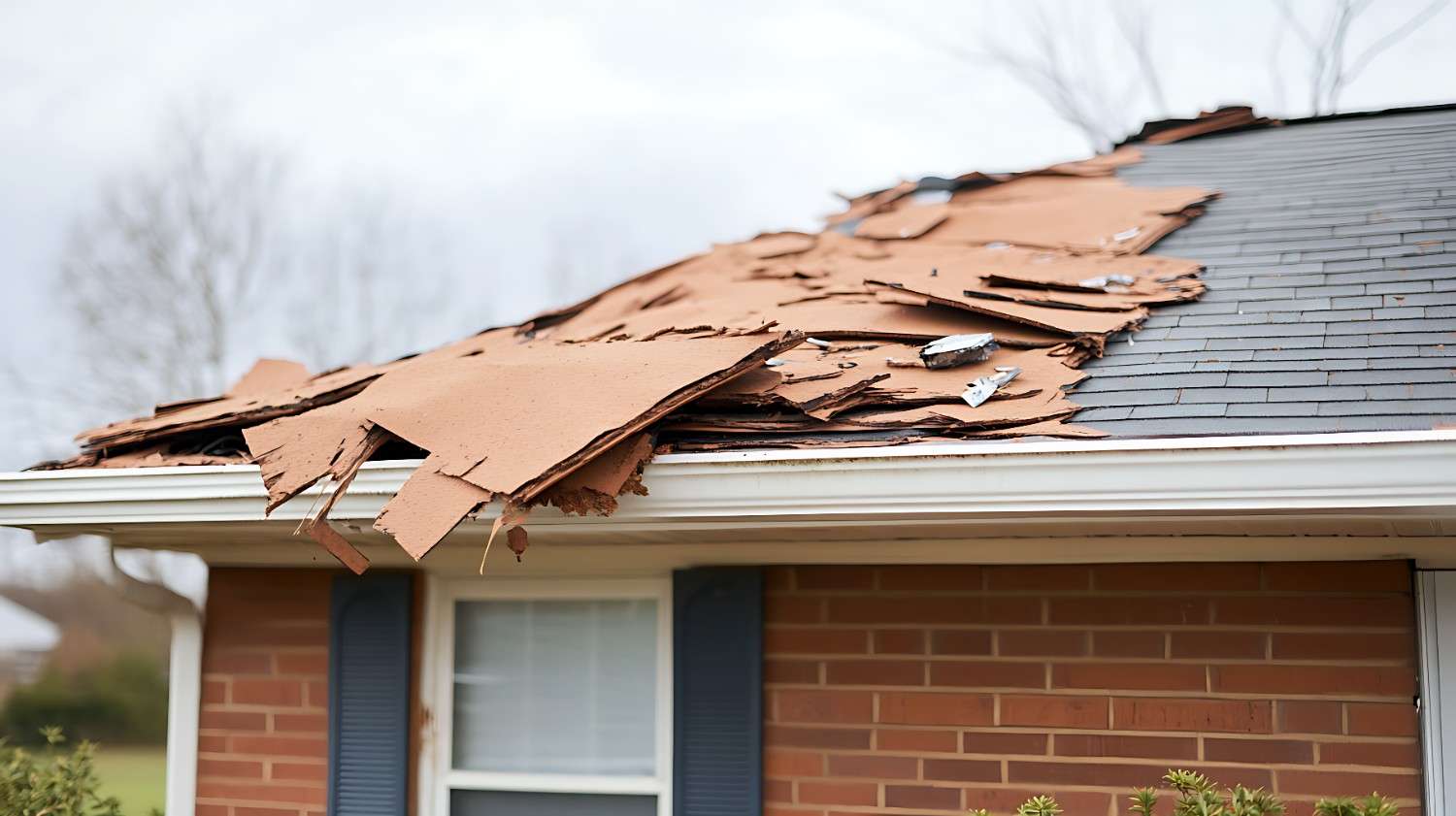
A roofing crisis occurs when sudden roof leaks, storm damage, or extreme weather conditions threaten the structure, safety, or habitability of a rental property. Heavy rain, flashing failures, or hail damage can quickly escalate into serious water damage or even the risk of roof collapse.
Under U.S. law, landlords have a legal and ethical duty to provide a safe, habitable environment, making emergency roof repair more than a choice; it’s an obligation tied to health and safety. The immediate goal is to move from reactive panic to a clear, structured emergency roof repair plan that protects tenants, limits damage, and restores the roofing system efficiently.
Phase 1: Immediate Mitigation and Safety
When a roof repair emergency occurs, health and safety must come first. Active roof leaks can create serious health and safety hazards, including mold growth, electrical risks from water intrusion, and weakened structural components. Landlords should quickly assess visible roof damage and interior ceilings for warning signs, paying close attention to roof trusses for sagging, cracking, or other indicators of a potential roof collapse. If conditions appear unsafe, restrict access to affected areas immediately.
Next comes containment. Using an emergency roof tarping service or a temporary roof patch can provide urgent roof leak fixes and limit ongoing water damage during heavy rain or severe storm activity. These temporary repairs are not a permanent fix, but they are a critical mitigation strategy to stabilize the roofing system until professional roofing services arrive.
Finally, clear tenant communication is essential. Explain that these stop-gap measures are temporary, outline the next steps toward permanent repairs, and provide reassurance that an emergency roof repair plan is actively underway. If you're in Wisconsin, you can check out the roofers Madison has in its listing.
Phase 2: Professional Assessment and Documentation
Once immediate risks are contained, the next step is a professional Emergency Roofing Inspection. Engaging a licensed roofing contractor or experienced roofing company provides the expert eye needed to accurately diagnose roof damage and reduce liability. A formal inspection helps confirm whether issues stem from storm damage, flashing failures, or deeper problems within the roofing system, and it establishes a defensible record that the landlord acted responsibly.
Modern roofing pros rely on state-of-the-art tools and techniques to uncover hidden moisture that visual checks can miss. Thermal imaging and moisture probes can detect trapped water behind walls, under roofing materials, or within insulation, preventing future mold and structural issues.
Finally, insist on a detailed inspection report. Clear documentation supports insurance claims, explains roof repair costs to owners or investors, and guides informed decisions between temporary repairs and a permanent fix.
Phase 3: Navigating Insurance and Financing
After a professional assessment, landlords should promptly initiate insurance claims to recover eligible roof repair costs. Start by submitting the inspection report, photos, and videos that clearly document storm damage, roof leaks, and any resulting water damage. Detailed records from a licensed roofing contractor or storm damage roof specialists help justify the scope of emergency roof repair and support a smoother path to an insurance check.
However, coverage gaps can occur, especially with high deductibles or policy limits. In these cases, emergency roof repair financing or specialized home loans can help bridge the shortfall and prevent delays in critical roof repair services. Acting quickly protects the property from further loss and maintains tenant habitability.
Importantly, many insurance policies recognize mitigation strategies. Expenses for temporary repairs (e.g., emergency roof tarping service or a temporary roof patch) are often reimbursed because insurers expect property owners to take reasonable steps to stop additional damage during heavy rain or ongoing storm activity.
Phase 4: Choosing the Right Roofing Pros
Selecting the right roofing company is critical once emergency conditions are stabilized. Start by vetting for urgency. A provider that offers 24/7 roofing emergency response and access to expert emergency roofers can mobilize quickly, reducing the risk of further roof damage or water intrusion. Local roofing experts are also more familiar with regional weather patterns and storm activity, which can influence repair strategies.
Next, confirm credentials. Always verify that the roofing contractor holds a valid roofing license, carries proper insurance, and can provide references. Look for a leak-stop guarantee or clear warranty terms that demonstrate confidence in their roof repair services and emergency roof repair services.
Finally, assess versatility. The roofing pros you choose should understand your specific roofing systems (e.g., whether asphalt shingles, metal roofing, flat roofing, or other residential roofing materials) to ensure the right permanent repairs and a reliable long-term fix.

Phase 5: From Temporary Patch to Permanent Fix
Emergency measures like shingle patching or a temporary roof patch are only the first step in resolving a roofing crisis. Once conditions are stable, landlords must transition from short-term containment to permanent repairs that restore the integrity of the roofing system. Relying too long on temporary repairs can allow hidden moisture to spread and increase long-term roof repair costs.
A thorough root cause analysis is essential. Experienced roofing experts should identify whether flashing failures, compromised roof ventilation, or aging roofing materials worsened the original roof damage. Correcting these underlying issues helps prevent repeat roof leaks and protects the structure.
Finally, consider material upgrades during the permanent fix. Selecting resilient options such as impact-resistant asphalt shingles or durable metal roofing can better withstand future extreme weather conditions, hail damage, and heavy rain, providing stronger, longer-lasting protection for your rental property.
Conclusion: Building Resilience for the Future
Every emergency roof repair offers lessons for preventing the next roofing crisis. Scheduling a bi-annual roof inspection with trusted roofing experts helps identify early roof damage, flashing failures, or ventilation issues before they escalate.
Most importantly, quick, organized action protects tenant health and safety while preserving the property’s long-term ROI. By treating emergency roof repair as part of a proactive strategy, not a one-time event, landlords can strengthen their roofing systems and minimize future disruptions.