



Finding reliable clothing manufacturers in Pakistan is essential for any brand looking to scale production without compromising quality. Many businesses face challenges like poor quality, delayed shipments, and miscommunication, which can result in financial loss and damaged brand reputation. This guide provides a practical, step-by-step approach to help you find, verify, and work with the right manufacturer.
Where to Find Manufacturers
The first step is identifying potential suppliers. Relying on just one source can limit your options and increase risks, so it’s best to explore multiple channels.
B2B Marketplaces: Platforms like Alibaba, Global Sources, and TradeIndia list manufacturers from Pakistan. Use filters for verified suppliers, trade assurance, and export experience. Look for companies that have positive reviews and a track record of fulfilling international orders. These platforms allow you to compare multiple suppliers in terms of pricing, product range, and certifications, which is helpful for initial shortlisting.
Local Trade Associations: Pakistan has well-established trade bodies for garment exporters. Organizations such as the Pakistan Readymade Garments Manufacturers & Exporters Association (PRGMEA) and the Pakistan Hosiery Manufacturers Association (PHMA) maintain directories of registered and active exporters. Suppliers listed here are usually verified, reducing the risk of scams or unprofessional operations.
Google Search and Direct Outreach: Simple searches using terms like “find clothing manufacturer in Pakistan” or “apparel sourcing Pakistan” can yield a list of potential suppliers. Evaluate their websites, product catalogs, and export history. A professional website with clear product offerings, client lists, and contact information is often a good sign of credibility.
Referrals and LinkedIn: Networking with other brands or industry contacts can lead to reliable leads. LinkedIn is useful for connecting directly with company representatives or sourcing agents. Referrals often point to manufacturers who have already delivered consistent quality, reducing the verification effort on your end.
How to Verify Suppliers
Verification is one of the most critical steps in sourcing. Skipping this process can result in financial losses or receiving substandard products.
Check Legitimacy: Ask for business registration details, NTN number, and export licenses. Legitimate manufacturers will provide this information without hesitation.
Review Past Work: Request product catalogs, client references, and export records. A reliable manufacturer will have a documented history of fulfilling international orders. If a supplier refuses to share past work or references, it is a warning sign.
Explore Verified Platforms: You can also explore verified apparel manufacturers Pakistan through trusted platforms like Ferrati Sports. Ferrati Sports connects brands with verified clothing manufacturers, ensuring quality, reliability, and support throughout the sourcing process. This helps brands reduce risk and streamline the selection of manufacturers.
Certifications: Look for ISO, BSCI, or SEDEX certifications depending on your target market. Certifications indicate adherence to quality and ethical standards, which is particularly important for international buyers.
Communication: Clear and prompt communication is crucial. Evaluate their responsiveness, clarity of explanations, and willingness to answer technical questions. Poor communication at the inquiry stage often indicates future difficulties in production coordination.
Sampling Process
Testing a supplier through samples is a vital step before placing bulk orders. A proper sampling process ensures that the manufacturer can meet your design, fabric, and quality requirements.
Start by providing a detailed tech pack, including designs, measurements, fabric specifications, stitching instructions, and finishing details. Ask for a clear timeline for sample production, typically 7 to 14 days.
Once you receive the sample, inspect it thoroughly. Check the stitching, fabric quality, measurements, color accuracy, and finishing. This step is essential to ensure the manufacturer can replicate your designs consistently at scale.
It’s recommended to order samples from multiple suppliers for comparison. Request revisions if the first sample does not meet your standards. A professional manufacturer will accept feedback and make adjustments without dispute.
Factory Visits
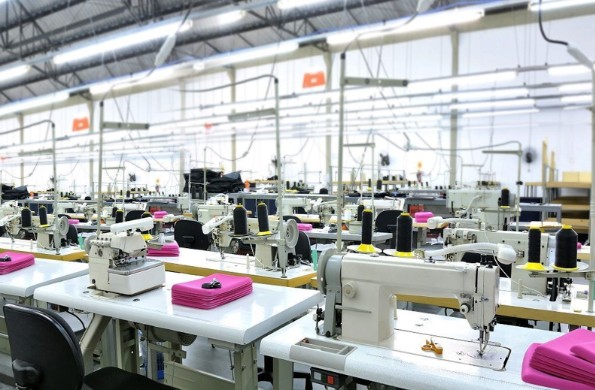
Visiting the factory is optional but provides a clear understanding of the supplier’s capacity and capabilities. During a visit, observe the machinery, production layout, workforce size, and quality control procedures. This helps ensure the supplier can handle your order volume and maintain consistent quality.
If visiting in person is not feasible, ask for a live video tour of the factory or recordings of ongoing production lines. This visual verification helps confirm that the supplier is an actual manufacturer and not a middleman or trading company.
Red Flags to Avoid
Being aware of warning signs helps prevent costly mistakes.
● Extremely low pricing compared to market rates may indicate poor quality or hidden charges.
● Suppliers without a physical address or unwilling to share registration details should be avoided.
● Refusal to provide samples or asking for full payment upfront is a major risk.
● Poor communication, vague responses, or inconsistent information are warning signs.
● Suppliers claiming certifications without proof may not be reliable.
Some suppliers act as intermediaries rather than actual manufacturers, which often leads to higher costs and inconsistent quality. Always verify whether the factory can handle production directly.
Final Checklist
Before committing to a manufacturer, go through this checklist:
● Verify the business registration and export licenses
● Ensure communication is clear and consistent
● Approve sample quality and confirm it meets your standards
● Review pricing and understand minimum order quantities
● Agree on production timelines
● Negotiate payment terms, ideally partial upfront and balance after production
● Define a quality control process for bulk orders
Following this checklist helps reduce risks and ensures a smoother manufacturing process.
Conclusion
Finding reliable clothing manufacturers in Pakistan requires a structured approach. By sourcing from multiple channels, verifying suppliers thoroughly, testing through samples, and avoiding common red flags, you can build a long-term, trustworthy manufacturing partnership. Platforms like Ferrati Sports make this process simpler by connecting brands with verified manufacturers and providing guidance on production, quality control, and supplier management. This ensures that your sourcing experience is efficient, secure, and consistent with international standards.





