



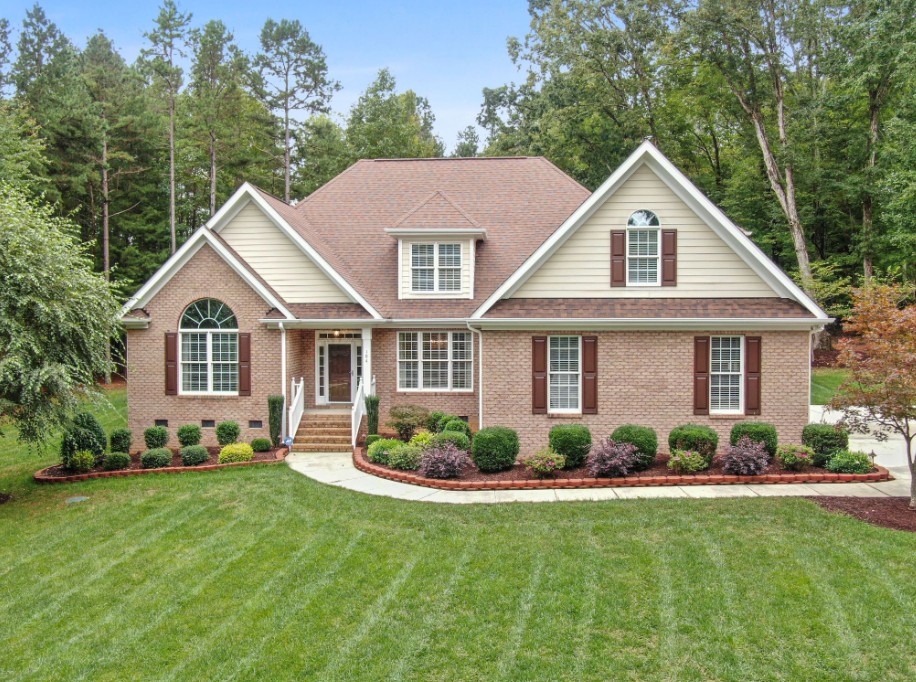
Every roof eventually reaches the point where repairs are no longer enough. The challenge is knowing when that time has arrived. Many homeowners continue fixing isolated leaks or replacing a few damaged shingles, hoping to postpone the cost of a new roof. While repairs often make sense for newer roofs, an aging roofing system may continue to develop problems that become increasingly expensive to address. If you've recently needed roof repair in Englewood, it may be worth looking beyond the immediate issue to determine whether your roof is approaching the end of its lifespan.
Colorado's weather accelerates the aging process of Englewood roofing. Hailstorms, high winds, intense sunlight, heavy snow, and repeated freeze-thaw cycles all contribute to gradual deterioration. Understanding the warning signs of roof failure helps homeowners make informed decisions before minor damage turns into costly structural repairs.
Your Roof Is Near or Beyond Its Expected Lifespan
The age of a roof doesn't automatically determine whether it needs replacement, but it provides valuable context when evaluating its condition. Asphalt shingles generally last between 20 and 30 years, depending on installation quality, maintenance, and exposure to severe weather. If your roof is approaching that range and has already required multiple repairs, it may no longer provide reliable protection.
Older Englewood roofing systems are more vulnerable to cracking, granule loss, and storm damage because the materials naturally become less flexible over time. A professional inspection evaluates the roof's overall condition rather than relying on age alone, helping homeowners understand whether repairs are still practical or whether replacement offers greater long-term value.
Shingles Are Curling, Cracking, or Losing Granules
Shingles usually provide the earliest clues that a roof is beginning to fail. Curling edges, cracked surfaces, and bald spots where protective granules have worn away all indicate that the roofing material is deteriorating. These changes reduce the roof's ability to resist moisture, ultraviolet exposure, and strong winds, making future storm damage much more likely.
Granules collecting in gutters are another common warning sign. While some granule loss is expected as shingles age, excessive amounts often indicate that the roof is nearing the end of its service life. During an Englewood roofing inspection, contractors evaluate whether the deterioration is limited to one area or affecting the roof as a whole.
Roof Leaks Keep Coming Back
One isolated roof leak can usually be repaired without replacing the entire roof. A damaged vent boot, loose flashing, or missing shingles after a storm are common issues that don't necessarily indicate widespread failure. The concern begins when leaks appear in multiple locations or return shortly after repairs have been completed.
Water rarely travels straight down after entering the roof. It often moves beneath shingles and roof decking before becoming visible inside the home, making recurring leaks a sign that moisture may be affecting much larger sections of the roofing system. When repeated leaks become a pattern, replacing the Englewood roofing system is often a better long-term investment than continuing to repair isolated areas.
Storm Damage Has Weakened the Roof
Colorado storms can significantly reduce the lifespan of a roof even when the damage isn't immediately obvious. Hail frequently bruises shingles and removes their protective granules, while high winds loosen shingles without completely tearing them away. Those weakened areas become more vulnerable during every storm that follows.
Many homeowners don't notice problems until months later when water begins entering the home. A professional Englewood roofing inspection after severe weather helps determine whether the damage is limited to a few repairs or whether the roof has been weakened enough that replacement should be considered.
The Roof Deck Has Been Affected by Moisture
Some of the most serious roofing problems remain hidden beneath the shingles. If water has been entering the roof for an extended period, it can soften the roof deck, weaken framing, damage insulation, and create conditions for mold growth inside the attic.
Replacing shingles alone won't correct these structural problems. During many Englewood roofing replacement projects, contractors discover damaged decking that isn't visible until the old roofing materials have been removed. Addressing these hidden issues is essential for restoring the roof's strength and preventing future water intrusion.
Energy Bills Continue to Increase
A deteriorating roof doesn't only affect weather protection. It can also reduce your home's energy efficiency. As roofing materials age and ventilation becomes less effective, conditioned air escapes more easily while outdoor temperatures have a greater influence on the attic and living spaces below.
If your heating and cooling costs continue rising despite maintaining your HVAC system, your Englewood roofing may be contributing to the problem. A roof replacement often includes updated ventilation and underlayment that improve indoor comfort while reducing unnecessary energy loss throughout the year.
Repairs Are Becoming More Expensive Than Replacement
Many homeowners hesitate to replace a roof because repairs appear less expensive. While that's true in the short term, repeated repairs can eventually cost more than installing a new roofing system. Every repair addresses one problem, but it doesn't stop aging materials elsewhere on the roof from continuing to deteriorate.
When maintenance costs continue increasing year after year, replacing the Englewood roofing system often provides greater financial value. A new roof eliminates recurring repair expenses while giving homeowners decades of improved weather protection and peace of mind.
A Professional Inspection Provides a Clear Answer
It isn't always easy to tell whether a roof needs another repair or a complete replacement. Every roofing system ages differently depending on installation quality, maintenance history, storm exposure, and ventilation. Two roofs installed during the same year may have completely different remaining lifespans.
A comprehensive Englewood roofing inspection evaluates shingles, flashing, roof decking, ventilation, gutters, and attic conditions to provide a complete assessment. Instead of guessing based on visible damage alone, homeowners receive a recommendation based on the overall health of the roofing system and its ability to continue protecting the home.
Know When It's Time to Replace Your Englewood Roofing
Replacing a roof before major structural damage develops is often one of the smartest investments a homeowner can make. Waiting too long can allow moisture to spread into the roof deck, insulation, drywall, and framing, turning what could have been a straightforward replacement into a much larger restoration project.
Whether your roof is showing signs of age or has been affected by Colorado's severe weather, understanding the condition of your Englewood roofing helps you make the right decision at the right time. Homeowners throughout Englewood and nearby communities including Littleton, Centennial, Sheridan, Greenwood Village, and Lakewood benefit from working with a local roofing company that understands the demands Colorado's climate places on residential roofing systems.





