



You probably know the frustration of spotting a trail of ants across your kitchen counter or hearing scratching noises inside your attic walls. Waiting until pests settle indoors forces homeowners and landlords into reactive, expensive treatments that only address visible symptoms.
Switching to a proactive strategy stops bugs and wildlife outside before they breach your living spaces. By combining simple exterior maintenance with scheduled perimeter care, you protect your property across all 4 seasons.
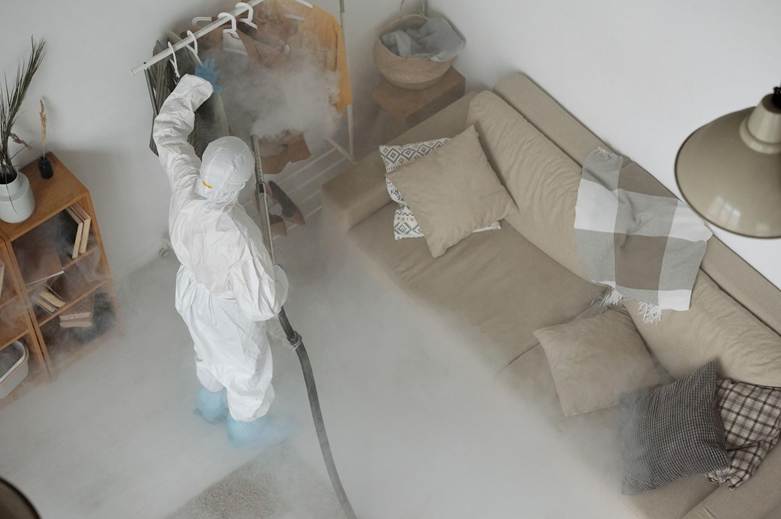
What pests threaten your property during each season?
Every weather shift triggers different survival instincts in local insects and wildlife. Knowing which species target your building throughout the year helps you stay 1 step ahead of sudden outbreaks.
Spring moisture seekers and summer stingers
Warming spring temperatures draw damp-loving ants and destructive termites toward wet foundation soil and softening wood. Once summer heat arrives, wasps, hornets, and yellowjackets build nests under eaves, decks, and siding overhangs. Addressing early-year water damage and mid-year nesting spots keeps outdoor spaces safe for your family or tenants.
Fall shelter hunters and winter rodents
Cooling autumn nights push stink bugs and spiders toward sun-warmed siding, window frames, and attic vents in search of winter shelter. When freezing temperatures hit, mice and rats squeeze through tiny foundation gaps to nest near warm pipes and pantry storage. According to PestWorld, 96% of pest management providers responded to rodent service requests over the past year, making rodents the top pest issue at 14.6% of all incoming service calls.
How do quarterly preventative programs adapt to seasonal shifts?
A single spring spray cannot hold up against summer rainstorms, autumn leaf buildup, and winter freezes. Seasonal prevention requires treatment schedules that account for changing pest activity, breeding cycles, and common entry points. Homeowners can use resources such as the seasonal guide to pest control by ScherZinger to understand how pest threats change throughout the year and why treatment strategies need to adapt. Each quarterly inspection can then focus on the specific breeding habits and entry routes associated with that season.
Technicians inspect changing exterior conditions, sweep away active webs or nests, and refresh protective barriers around your foundation. You avoid heavy indoor chemical applications because treatments remain focused on the outer perimeter where bugs first gather. Consistent seasonal updates turn pest management from an emergency expense into predictable property maintenance.
Which exterior exclusion steps block indoor entry?
Chemical barriers work best when you pair them with physical repairs that close off common entry routes. Walk your property 2 times a year to spot structural gaps before pests exploit them.
- Seal utility penetrations: Fill gaps around plumbing pipes, electrical conduits, and gas lines with copper mesh and silicone caulk so insects and mice cannot slip inside.
- Trim overhanging branches: Cut tree limbs and shrubs back at least 18 inches from your roofline and siding to eliminate natural bridges for ants, spiders, and squirrels.
- Repair worn door sweeps: Replace cracked rubber seals along exterior doors and garage thresholds so light and air cannot pass underneath.
- Screen attic vents: Cover soffit, gable, and dryer vents with sturdy galvanized wire mesh to block stinging insects and overwintering pests.
How can you maintain a clean yard perimeter?
Everyday yard habits either invite pests toward your foundation or encourage them to stay away. Small adjustments around your landscaping remove the food, water, and shelter that attract early colonies.
Managing water and organic debris
Standing water and damp mulch create ideal breeding grounds right beside your exterior walls.
Clean gutters and downspouts
Clear leaves from roof gutters every spring and fall so rainwater drains several feet away from your foundation.
Space out foundation mulch
Keep wood mulch pulled back at least 6 inches from your siding to discourage termites and ants from tunneling upward.
Why do quarterly treatments build a stronger shield?
Outdoor weather elements gradually break down perimeter products through harsh sunlight, heavy rain, and temperature swings. Scheduling service every 3 months refreshes that protective zone right as the previous application begins to fade. You maintain continuous coverage without gaps that let new colonies establish a foothold.
Regular inspections catch minor structural vulnerabilities early, saving landlords and homeowners from costly repairs down the road. Predictable quarterly visits keep your defense active when you are busy managing work, family, or rental turnovers.
What should landlords and homeowners track between visits?
Staying observant between scheduled appointments helps your technician pinpoint new pressure points quickly. Check basement corners, utility closets, and under-sink cabinets every 30 days for fresh droppings, shed wings, or damp wood. If you manage rental units, encourage tenants to report small leaks or loose window screens right away.
Keeping a simple maintenance log of repairs and sightings gives you clear documentation across every season. Your proactive attention reinforces the exterior shield your provider maintains outside.
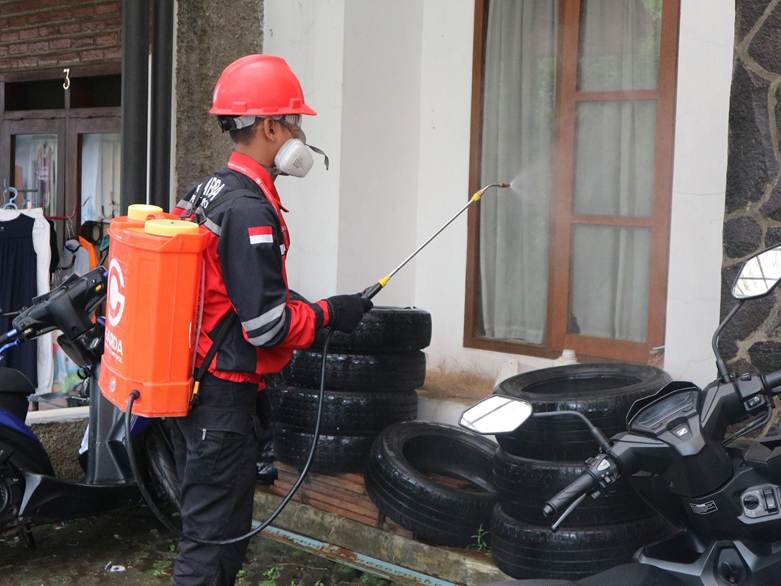
Aligning exterior exclusion and perimeter treatments with seasonal weather shifts eliminates indoor infestations before they start. When you seal structural gaps and refresh outdoor defenses every quarter, pests lose their easiest paths inside.
Take a walk around your property this week to check door sweeps, trim back shrubs, and plan your seasonal schedule. A little preventative care today keeps your home or rental property comfortable, protected, and pest-free all year.