



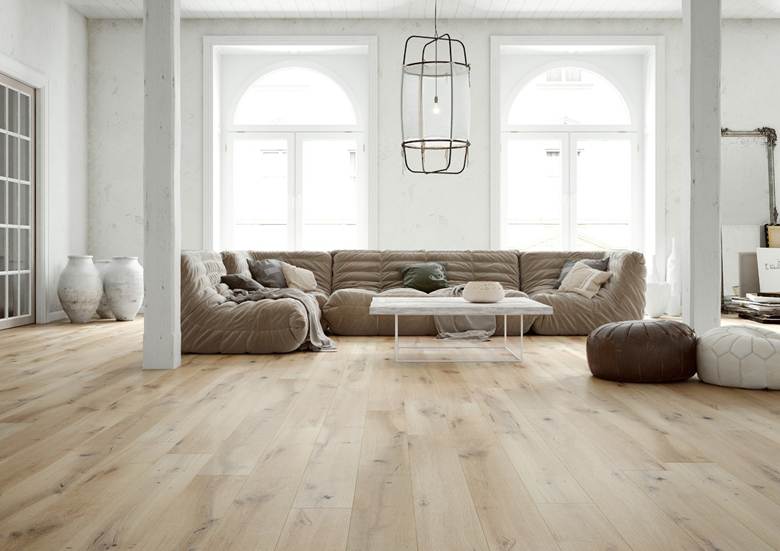
We often think of a floor as the passive ground beneath our feet, the last consideration in a room’s design. Yet, a wood floor is never just a surface; it is a living, breathing foundation that sets the tone for everything built upon it. It is a dynamic canvas that actively shapes the atmosphere of a home, a quality that the best flooring company Chicago can help a homeowner fully realize through careful selection. This natural material is engaged in a constant, quiet dialogue with the architecture that contains it, the light that reveals its texture, and the slow, steady passage of time that tells its story. To choose a wood floor is to choose an active participant in the life of your space—a silent partner that grounds the room’s design while simultaneously reflecting the subtle changes in the environment and the history of the lives lived there. It is the starting point from which the entire experience of a home unfolds.
The Architectural Foundation: Wood as a Unifying Plane
The first and most fundamental conversation a wood floor has is with the architecture of the space itself. It is a powerful tool for defining and unifying a home’s interior landscape. The direction in which the planks are laid, for instance, is a critical architectural decision, capable of making a narrow room feel wider or drawing the eye down a long hallway to a focal point. In an open-concept home, a continuous wood floor acts as a unifying plane—a "fifth wall"—that seamlessly stitches together the kitchen, dining, and living areas into a single, cohesive whole. The choice of wood also plays a crucial role. Wide, dark-toned planks can anchor a voluminous room, giving it a sense of gravity and permanence. Conversely, thin strips of a light wood like maple or ash can lend an airy, ethereal quality, making the space feel more expansive and open.
The Dance with Light: How Illumination Shapes the Surface
A wood floor is never a single color, but a thousand different shades that shift with the passing of the day. Its second dialogue is with light, a dynamic conversation that constantly reinterprets its surface. In the low, golden rays of morning, every grain, knot, and bit of texture is thrown into sharp relief, revealing the wood's intricate, natural topography. At midday, under a high, diffuse sun, the same floor can appear softer and more uniform, its character subdued to a quiet, elegant plane. The choice of finish becomes the moderator of this conversation. A matte, oil-rubbed finish absorbs light, creating a soft, deep glow that feels gentle and organic. A satin finish, however, reflects it, catching the light as you move through the room and creating a subtle energy. This ever-changing dance ensures the floor is not a static element but a responsive canvas, painted anew with every sunrise and sunset.
The Patina of Time: Wood's Evolving Story
Unlike manufactured materials that begin to degrade from their first day, wood flooring embarks on a journey of maturation. Its dialogue with time is perhaps its most poetic quality, as it slowly gathers the story of the life lived upon it. This evolution, known as patina, is a testament to its authenticity. Sunlight will gently alter its tones over the years, deepening the rich reds in cherry or warming maple to a golden amber. The inevitable scuffs, dents, and worn patches are not flaws to be lamented but chapters in a family’s history—the faint arc where a rocking chair once sat, the worn path between the kitchen and the dining table. This ability to gain character over decades is a primary reason the wood flooring Chicago homeowners cherish is so deeply valued. It doesn’t just wear out; it wears in, becoming a more beautiful and meaningful part of the home with every passing year.
The Sensory Dialogue: Beyond the Visual
The conversation between a person and a wood floor transcends what can be seen, engaging the senses of touch and hearing in a way few other materials can. There is a unique, solid feeling that wood offers underfoot—a connection to something natural and grounding that is firm yet forgiving. It also plays a key role in the acoustics of a room. Wood reflects sound with a warm, lively resonance, contributing to the vibrant atmosphere of a family gathering or the rich sound of music. This acoustic quality is a conscious design choice. While a professional Chicago carpet installation can create a hushed, soft sanctuary in a bedroom, the gentle resonance of wood in a living room or studio adds a layer of auditory warmth. This sensory feedback, both tactile and audible, makes the floor an integral part of how a home not only looks, but how it truly feels.
The Intentional Choice: Uniting the Three Dialogues
Selecting the right wood floor is not merely a choice of color or species; it is an act of foresight. It is the art of anticipating how the three great dialogues—with architecture, light, and time—will unfold in a particular space. The most successful choice is one that intentionally harmonizes these elements. In a historic restoration, for example, one might choose reclaimed heart pine not just for its appearance, but to honor the home’s dialogue with time. For a stark, minimalist gallery, an architect might select a pale, seamless maple floor to act as a quiet, reflective canvas for the interplay between light and architecture. In a cozy, sun-drenched family room, a durable white oak with a satin finish might be chosen specifically for how it will catch the light and gracefully register the marks of an active life. This intentionality is the final layer of design, ensuring the floor is not an afterthought but a thoughtful foundation for the home’s entire story.
The Silent Storyteller
A wood floor is ultimately a home’s silent storyteller. It is not a static backdrop but an active participant, a living surface that grounds our daily existence. It is the stage upon which our lives unfold, and it faithfully records the evidence of that life in its very grain. Framed by the architecture of a room, it becomes a canvas for the shifting patterns of light and shadow, changing its mood with every passing cloud and season. Over the years, it gathers a quiet history, absorbing the memory of footsteps, sunlight, and shared moments into its patina. It is this unique ability to hold a dialogue with its environment and its inhabitants that elevates a simple wood floor into a profoundly beautiful and meaningful element of a home—a silent witness that grows more soulful and resonant with time.





