



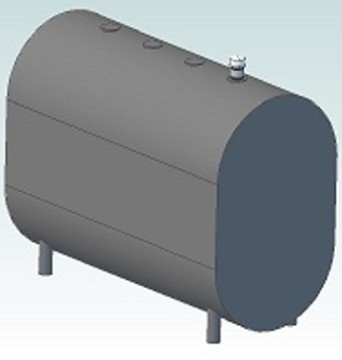
For many American homeowners, the heating oil tank tucked away in the basement or backyard is a "set it and forget it" appliance. However, as we move into 2026, the insurance industry is shifting its stance from gentle recommendations to hard mandates.
If your tank is approaching two decades of service, your next policy renewal might come with an unexpected ultimatum: replace the tank or lose your coverage. This isn't just bureaucratic red tape; it is a calculated response to the escalating environmental and financial risks associated with aging fuel storage.
Actively managing this transition is essential for maintaining both property value and long-term insurability in an increasingly strict regulatory environment.
The "Magic Number": Why Age Matters to Your Underwriter
Insurance underwriters are increasingly focused on the 15-to-20-year mark as the critical threshold for oil tank safety. While a well-maintained steel tank might look sturdy on the outside, insurance companies are concerned with the invisible degradation occurring within. To maintain policy eligibility, homeowners should proactively monitor these critical indicators to ensure their system meets the latest safety benchmarks.
Internal Corrosion: Sediment and condensation buildup create acidic sludge that eats through steel from the inside out.
Actuarial Risk: Actuarial data from 2025 indicates that tanks installed in the early 2000s are now entering a statistical "red zone" for failure.
Underground Vulnerability: Buried units face even stricter scrutiny, as a sub-surface leak can go undetected for months, leading to astronomical cleanup costs.
Market Standards: Most major U.S. carriers have now adopted 20 years as the absolute maximum age for residential pollution liability coverage.
People Also Ask: How often should home oil tanks be replaced for insurance coverage? While local building codes vary, most U.S. insurance carriers now require a professional inspection every three years and a full replacement every 15 to 20 years to maintain comprehensive liability protection.
Red Flags: Signs It’s Time to Replace Your Heating Oil Tank
Identifying a failing tank before it breaches is the only way to avoid a catastrophic cleanup bill. Insurers often send inspectors to look for specific "failure markers" during a home evaluation.
Surface Indicators: Blistering paint or "weeping" spots that look like damp patches often hide localized rust.
Structural Instability: "Wet feet"—rust or buckling on the tank legs—suggests the floor of the tank is thinning.
Supply Line Safety: Modern standards require supply lines to be encased in protective sleeves to prevent corrosion from concrete contact.
Fuel Consumption Spikes: An unexplained drop in fuel levels may indicate a slow leak in the tank or the supply lines.
The financial reality of a leak is staggering. Industry data for 2026 shows that the average cost of a standard aboveground tank replacement ranges from $1,200 to $4,600, whereas a single leak remediation can easily exceed $50,000. In extreme cases where groundwater is impacted, costs can climb into the six-figure range, often resulting in a total loss of property equity.
To stay informed on broader environmental safety standards, you can also consult the guidelines regarding residential heating oil tanks and groundwater protection. This federal resource outlines the long-term environmental impact of soil contamination and provides a framework for responsible fuel storage management.
The 2026 Insurance Mandate: What to Expect During Renewal
The transition occurring in 2026 is a move toward mandatory compliance. Carriers are no longer willing to absorb the costs associated with residential oil remediation.
Mandatory Inspections: Expect your agent to request a signed inspection report from a certified technician as a prerequisite for renewal.
Pollution Exclusions: Some policies may offer a renewal but explicitly exclude "first-party" pollution coverage, leaving the homeowner personally liable.
Premium Surcharges: Maintaining an aged tank may result in a "high-risk" surcharge that often exceeds the prorated cost of a new tank.
Advanced Monitoring: Insurers are now favoring "smart" tanks equipped with ultrasonic sensors that alert owners to thinning walls before a breach occurs.
Most of the time insurance companies require oil tank replacement even if there are no leaks. Insurers view an aged tank as a "pre-existing risk." Just as an old roof is replaced to prevent a leak, a tank is replaced to prevent environmental damage that is legally and financially difficult to remediate once it begins.
The Strategic Shift to Double-Walled Systems
As we look toward 2026, the "gold standard" for residential storage has become the double-walled tank. These units consist of an inner primary tank—often made of high-density polyethylene (HDPE) or fiberglass—housed within a secondary steel outer shell. This "tank-within-a-tank" design provides an extra layer of protection, as any leak from the inner tank is captured by the outer shell.
Many modern insurers now offer premium discounts or extended liability coverage for homeowners who install double-walled systems. These tanks often come with 30-year warranties, effectively solving the insurance renewal problem for decades. While the upfront cost is higher than a single-walled steel unit, the reduction in insurance premiums and the elimination of pollution risk typically provide a full return on investment within five to seven years.
Financial and Property Value Impact
Beyond immediate insurance concerns, the status of your oil tank significantly impacts home resale value. In 2026, savvy buyers and real estate attorneys almost universally demand tank inspections or documentation of a recent upgrade. A home with an uninsurable 25-year-old tank can face significant delays in closing or require a substantial "price drop" to compensate for the imminent replacement cost. Investing in a new, high-authority tank is not just about keeping your current policy; it’s about protecting your home's equity and marketability.
Responsible Use & Compliance
Modernizing your fuel storage is as much about legal compliance as it is about safety. In many states, a release of home heating oil must be reported to environmental authorities, triggering a mandatory remediation process. Using a licensed professional for your replacement ensures that the new unit is installed according to current fire and environmental codes. This provides the "paper trail" your insurance company requires to keep your coverage active and your premiums stable. Furthermore, a certified removal ensures that old sludge and hazardous waste are disposed of at licensed facilities, protecting you from future environmental liability.
Conclusion
Navigating the 2026 insurance landscape requires a proactive approach to home infrastructure. An aging oil tank is a liability that can threaten your home's equity and your access to affordable coverage.By addressing replacement needs now, you protect your property from environmental hazards and ensure your policy remains intact. Ultimately, a new, secondary-containment tank is an investment that provides both peace of mind and long-term financial security for your family.





