



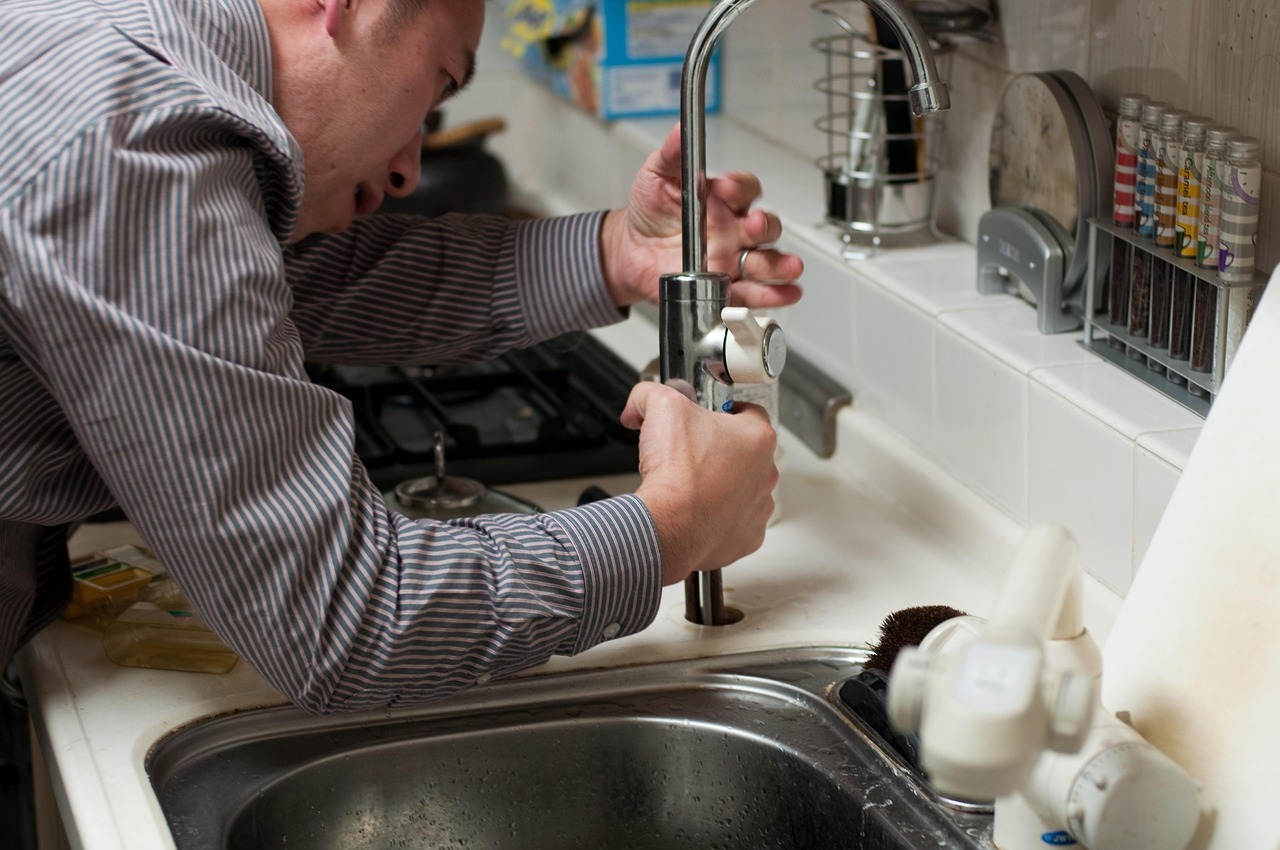
Plumbing systems rarely fail without warning. Pipes corrode gradually, water heaters lose efficiency over time, and fixtures begin to show wear long before they break down completely. The challenge for many homeowners lies in recognizing when a simple repair will solve the issue and when replacement becomes the smarter, more cost-effective decision.
Signs It’s Time to Replace Pipes
In rental properties, pipe condition affects more than plumbing performance. It influences maintenance frequency, tenant experience, insurance exposure, and long-term asset stability. Replacement may be necessary in the following situations:
Frequent Leaks
When leaks begin appearing in multiple locations within the same building, or across several units of similar age, repeated repairs often signal systemic wear. Continuing to patch individual failures may increase labor costs and tenant disruption. At that stage, a licensed plumbing contractor, such as Gundlach’s plumbing team, can assess if coordinated replacement may offer greater stability than ongoing reactive maintenance.
Visible Corrosion or Rust
Weakened pipe walls increase the risk of sudden water damage, which can affect multiple units and lead to vacancy or remediation costs. As such, early replacement helps reduce the likelihood of larger structural or mold-related issues.
Outdated Pipe Materials
Properties built during certain decades may still contain galvanized steel or polybutylene piping. These materials have higher failure rates and, in some cases, insurance scrutiny. Replacing outdated systems can reduce long-term risk exposure and improve the overall reliability of the property.
Discolored or Metallic-Tasting Water
Consistent tenant complaints about water discoloration or metallic taste can indicate internal pipe corrosion. Beyond maintenance concerns, water quality issues may affect tenant satisfaction and renewal rates. When flushing or minor repairs do not resolve the issue, broader pipe replacement should be evaluated.
Low Water Pressure Throughout the Building
Widespread pressure decline often results from mineral buildup or internal narrowing in aging supply lines. If multiple units report similar issues, the problem likely extends beyond individual fixtures. Addressing the underlying piping system may restore performance more effectively than repeated localized service calls.
Indicators That a Water Heater Has Reached the End of Its Service Life
Visible Leaks Around the Tank
Moisture or pooling near the base of the unit often points to internal tank failure. While you can repair fittings or valves, leaks from the tank body itself indicate structural compromise. At that stage, replacement becomes the only reliable solution.
Age Beyond Expected Lifespan
Traditional tank-style water heaters typically last between eight and twelve years, depending on maintenance and water quality. Once a unit approaches or exceeds this range, internal components such as the heating element, anode rod, and tank lining begin to deteriorate. Even if the system still produces hot water, reliability often declines near the end of its service life.
Inconsistent or Insufficient Hot Water
Fluctuating temperatures, longer recovery times, or frequent complaints about hot water running out may indicate internal wear. Sediment accumulation at the bottom of the tank can reduce heating efficiency and strain components. When performance problems persist despite maintenance, replacement may offer more predictable operation.
Rust-Colored Water From Hot Taps
If discoloration appears only when hot water runs, the issue may originate inside the tank rather than in the supply lines. Internal corrosion suggests that the protective lining has begun to fail. Once the tank itself deteriorates, repair is rarely practical.
Unusual Noises During Operation
Popping or rumbling sounds often develop as hardened sediment shifts along the base. Over time, this buildup reduces efficiency and increases stress on the system. Persistent noise typically signals advanced internal wear.
When to Replace Fixtures
Persistent Dripping or Leaking
A faucet that continues to drip despite cartridge or washer replacement often signals internal valve body wear. The internal housing can become pitted or eroded, preventing seals from closing properly. Continued leakage wastes water and gradually damages surrounding surfaces, including countertops and cabinetry. When internal wear affects the fixture’s core structure, full replacement restores reliability more effectively than repeated part changes.
Reduced Water Flow
A showerhead that delivers a weak, uneven spray often suffers from internal mineral buildup that has hardened inside its channels. Over time, scaling reduces water passage and alters spray distribution. Cleaning may provide short-term improvement, but corrosion within the fixture body eventually restricts performance permanently.
Visible Cracks or Damage
A toilet bowl that develops a visible crack in the porcelain compromises structural integrity. Even a small fracture can expand under pressure and temperature fluctuation. Cracks increase the risk of concealed leaks that damage flooring and subfloors.
Inefficient Water Use
An older toilet manufactured before modern efficiency standards may use significantly more water per flush than current models. High consumption increases utility expenses and places unnecessary strain on plumbing systems. Upgrading to a high-efficiency toilet reduces water use while maintaining flushing performance.
Conclusion
Plumbing systems rarely demand attention all at once. More often, they show gradual signs of wear through leaks, declining performance, corrosion, or increased water use. Recognizing these patterns allows property owners to move from reactive repairs to informed replacement decisions.