



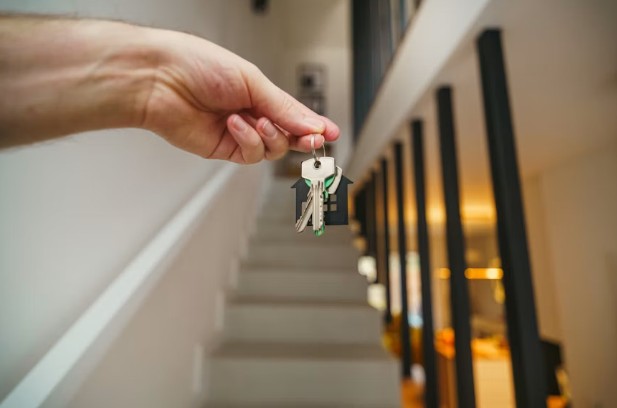
Want tenants who stay longer and complain less?
The typical landlord budgets their money for the lobby, elevators and a new paint job. Things that people notice on a first tour. But there's one area of the property they neglect almost all of the time...
The utility area.
That back room. With overflowing bins. Broken mop bucket. And boxes that no one claims. It's out of sight. Therefore out of mind.
Here's the problem:
Tenants see it. Cleaners see it. And so do fire inspectors.
What's Inside This Guide:
What Counts As A Utility Area?
How Office Recycling Bins Change Everything
Why Messy Utility Areas Cost Landlords Money
5x Ways To Organize Your Utility Areas Fast
What Counts As A Utility Area?
Utility area is a euphemism for any shared space that supports the hidden operations of a building. It's not sexy. However. every office building has utility areas.
That includes:
Waste and recycling rooms
Janitor closets
Mail and delivery rooms
Break room bin stations
Paper shredding facilities take care of the dirty work (literally) involved in the day-to-day operation of an office. And day-to-day really adds up. The average office worker generates roughly 2 pounds of trash every day -- half of which is paper.
Multiply that by 200x workers... You get a mountain of waste every single week.
If there's no system, that mountain lands in whatever corner has space.
How Office Recycling Bins Change Everything
Here's something most landlords don't realise...
Bins condition behaviour. Positive recycling bins in an office setting are labeled correctly, colour coded, and positioned at eye level where trash is disposed. Negative bins look like random grey trash cans with a paper label stuck to the front.
It's simpler than you imagine. Implement consistent bins in kitchen areas, hallways and storage rooms so the colours and labels are uniform throughout your facility. Many vendors, such as Recycle Away, provide workplace recycling bins with easy to read signage and colour coordinated lids designed specifically for communal areas, allowing individuals to effortlessly categorize their trash.
And the difference shows up fast.
If folks aren't sure which bin is which they guess. And they guess incorrectly more often than you might think. One recent waste audit in Worcester showed a 23.5% contamination rate downtown. That's almost 1 in 4 items thrown in the wrong bin.
Dirty recyclables often end up in the trash. So your tenants spend time sorting garbage...that doesn't matter.
Isn't it annoying? A little tweak to your bins makes the whole building organize efficiently.
Why Messy Utility Areas Cost Landlords Money
A cluttered back room may seem like a minor inconvenience. It's not. Here's how it's secretly robbing you of money, in four ways.
Tenants Notice More Than You Think
Shared amenity spaces matter to tenants. According to CBRE's latest 2025 office occupier survey, 42% cited building amenity spaces as a characteristic influencing lease negotiations.
A sparkling clean, efficiently run building exudes luxury. An unkempt building with odors coming from the trash room and overflowing trash bins in the hall? Cheap. Tenants think about that when lease renewal time comes.
Think about it:
Who would pay full rent for a building with a recycling room that looks like a flea market?
Safety Risks Add Up
Hazards lurk in messy utility rooms. Piles of cardboard will burn. Boxes blocking doors will trap you during an emergency. Spills can cause people to slip and fall.
Not only do these issues pose safety hazards. They can result in failed inspections, fines and increased insurance costs.
Cleaning Takes Longer
Without a system, custodians spend time inefficiently. They dig through trash cans, move clutter and search for supplies. All that time gets added to your janitorial bill.
An organized space is faster to clean. It really is that simple.
Pests Love A Mess
Throwing food waste with paper and cardboard containers is basically a free invitation for pests. Once you have mice or roaches... they won't confine their visits to the trash room.
They spread to tenant spaces. That's when the complaints start rolling in.
5x Ways To Organize Your Utility Areas Fast
Great news. You don't need to spend a lot of money doing this. Most of this can be accomplished over a single weekend.
1. Clear Out The Junk
Clean slate. Throw away all the broken, unused or unclaimed items. Old chairs, empty boxes and dead equipment all must go.
You'll be surprised how much space you get back.
2. Create Zones
Assign homes to everything. Have one zone for garbage, one for recycling, one for cleaning products and one for packages. Use coloured tape on the floor if necessary.
When everything has a place... people put things back in that place.
3. Standardize Your Bins
Bins should be colour coordinated throughout the building. Blue bins for paper. Green bins for mixed recycling. Black bins for general waste. Whichever colour coding system you choose, keep it consistent throughout the building.
Create simple image captions that can be understood quickly -- even by guests and new employees.
4. Post Clear Signs
Make signs brief, large and legible. Illustrate what belongs in each bin. Include examples of what doesn't belong.
Keep it short. If your sign requires more than 10 seconds to read, it's too long.
5. Schedule Regular Checks
Structure maintenance does not survive by itself. Implement a monthly walk-though of each utility room and look for:
Overflowing bins
Blocked exits
Missing labels
Signs of pests
Small problems are cheap to fix. Big ones aren't.
The Bottom Line For Landlords
Utility areas are easy to overlook. However they influence nearly everything landlords care about - tenant satisfaction, safety, cleaning expenses and lease renewals.
The best part? Fixing them is simple and affordable. To quickly recap:
Create clear zones
Use matching, labelled office recycling bins
Post simple signs
Check in every month
Take care of this, and your back offices will perform as hard as your front lobby. Your tenants will feel it....Even if they never utter a word.
Frequently Asked Questions
Where should office recycling bins be placed?
Position recycling containers where garbage is generated. This includes lounge areas, copy rooms, kitchens and beside workstations. Always place a recycling bin next to a trash can so individuals won't throw recyclables in the nearest bin.
How often should utility areas be checked?
Minimum once per month. If you have a lot of tenants turnovers you may want to do this weekly.
Do organized utility areas really affect lease renewals?
Yes they do. A tenants first impression of a building isn't just how it looks when they move in. Well maintained common areas that are clean and safe are an indication that the landlord cares about the property... which makes tenants want to stay.