



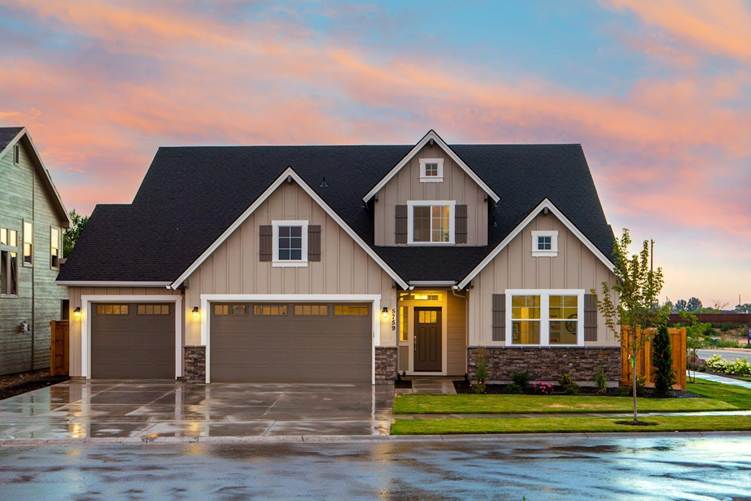
You come home after a long day. The sun is setting, groceries are in your arms, and you reach for the door—only to realize it sticks, again. The paint is chipped. The handle wobbles. The welcome mat looks tired. You barely notice these things during your busy routine, but they send a clear message to every guest who walks up.
Why do so many homeowners upgrade their kitchens and bathrooms but overlook the space that everyone sees first?
In this blog, we will share why entryways deserve more than a quick paint job. We’ll explore how they affect your home's function, safety, and daily experience. And we’ll offer simple, practical changes that improve comfort and long-term value.
Entryways Work Harder Than They Get Credit For
An entryway is more than a door. It’s a buffer between the outside world and your personal space. It shields your home from weather, offers protection, and creates a first impression. And while it’s often treated as a design afterthought, it deserves practical attention.
Start with the exterior. Most homeowners repaint a door and consider the job done. But issues go deeper. Old hardware might jam or loosen. Thresholds may sag, letting in drafts. Locks wear out. In climates with heavy rain or snow, doors swell, stick, and even mold. These are problems that paint alone cannot solve.
Now shift your focus to the garage—a space often used more than the front door itself. Whether you’re leaving for work or coming back with kids and bags, your garage entry takes a beating. That’s where garage door maintenance becomes essential. A noisy or slow-moving door is more than a nuisance. It can signal worn springs, misaligned tracks, or even a failing motor.
Ignoring this kind of wear puts your security and convenience at risk. Regular service ensures your door opens smoothly and stays locked when it should. With smart technology, garage doors can even sync with security systems and alert you when left open. These upgrades matter. They make daily movement seamless and safe.
On both the front and garage entrances, neglect adds up over time. But with careful planning and some minor investments, these high-traffic points can be strengthened for years of dependable use.
Safety and Functionality Should Come First
Think of your entryway as a control center. It welcomes people in but also keeps unwanted elements out. That includes strangers, pests, moisture, and temperature extremes. If your doorframe has cracks or the weather stripping is worn, your HVAC system has to work harder to maintain comfort inside. This affects energy bills and air quality.
Solid, insulated doors provide better soundproofing and stronger resistance to the elements. Steel and fiberglass doors are commonly chosen for their remarkably durable structure. These materials resist warping and can handle temperature swings with ease.
Good lighting is another safety upgrade. Outdoor lights with motion sensors deter unwanted visitors and help you navigate dark paths at night. Smart locks, too, are gaining popularity. They let you control access remotely and remove the need for hidden keys or spare copies. With rising demand for home delivery services, secure drop zones or parcel boxes are also becoming part of entryway design.
Inside the entry, function matters just as much. This is where clutter builds fast. Shoes pile up, bags spill over, and keys go missing. A few simple changes can fix that. Think of:
- Wall hooks for coats and keys
- A slim bench with hidden storage
- Waterproof mats that trap mud before it spreads
- Cabinet space for pet gear or seasonal items
When your entryway works well, your whole routine flows better. Mornings are faster. Coming home feels calmer. And guests feel welcome the moment they arrive.
Entryways Reflect More Than Style
First impressions happen fast. Your entryway says something before you even open the door. Is it tidy or neglected? Bright or gloomy? Cared for or forgotten?
This matters more in a market where buyers are looking for homes that feel thoughtfully finished. A clean, functioning entry signals a well-maintained property. It tells buyers or guests that you care. And that impression can impact everything from home value to daily peace of mind.
Color can be a powerful tool here. Studies show that certain front door colors can influence buyer perception. For example, homes with black or navy blue doors have sold for more on average, according to Zillow data. Of course, the best color is one that complements your home and feels personal. A brightly painted door paired with polished hardware stands out immediately.
Landscaping around your entry also plays a role. Trimmed bushes, potted plants, or even a small stone path can create visual flow. These details are subtle but set the tone for the rest of the house.
And while it’s easy to focus on appearance, the way your entry feels is just as important. Does the lock stick? Does the door close properly? Is there a place to pause, wipe your feet, or take off a coat? These little moments add up.
Small Fixes That Make a Big Difference
You don’t need a full remodel to improve your entryway. Even a few minor updates can create a big shift in how it looks and works.
Here are practical improvements that offer real results:
- Inspect and repair door seals to improve insulation
- Upgrade hardware like knobs, locks, or hinges for smoother function
- Add smart locks to control entry from your phone
- Repaint with weather-resistant finishes for long-lasting color
- Install motion-sensor lights to improve nighttime visibility
- Create drop zones with hooks, mats, or small storage benches
Each change supports the others. Together, they create a home that functions better and feels more put together.
In the end, your entryway is the start and finish of every day. It deserves more than a weekend touch-up. With a little planning and attention to detail, it can become one of the most useful and welcoming parts of your home.