



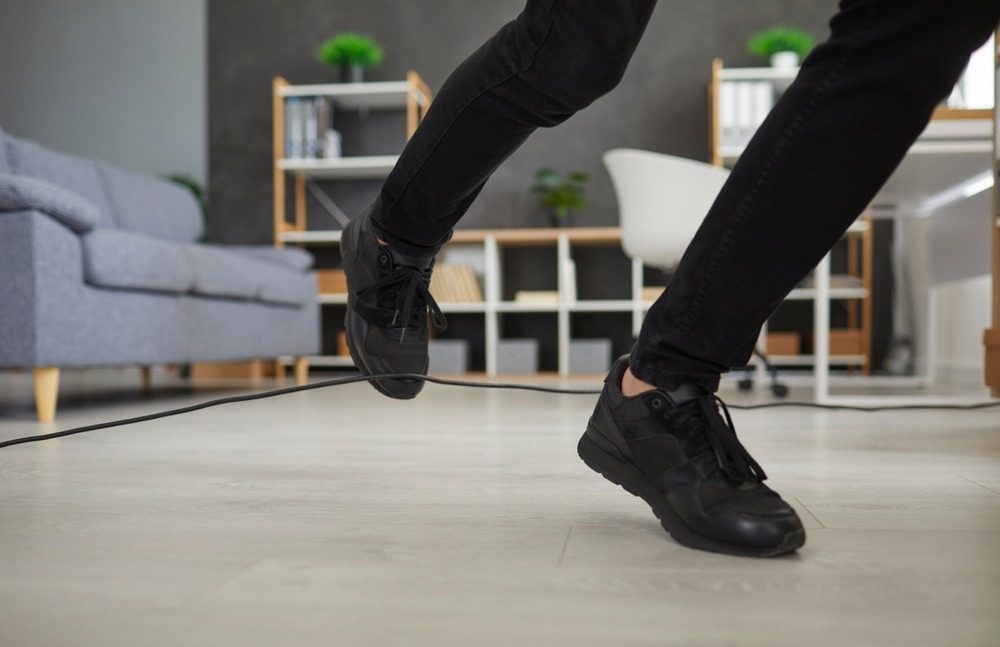
A polished floor often hides more than it reveals. What looks safe during a quick walk can shift into a risky surface in a matter of seconds. Many slip and fall accidents do not begin with dramatic events but with ordinary floor conditions that quietly reduce balance and control. These conditions appear in homes, stores, and public spaces without warning.
Over time, they become a silent cause of serious injuries that catch people off guard. This is also where questions around compensation for slip and fall victims often begin, especially when the surface itself played a major role in the accident.
Why Floor Conditions Matter More Than People Realize
Floor surfaces are something people trust without thinking. Each step depends on friction, grip, and stability, even if it is never noticed consciously. The problem begins when these basic elements change without warning.
Many slip and fall incidents are not caused by rushing or carelessness. Instead, they come from unexpected surface conditions that reduce traction or disturb balance. A floor does not need to look dangerous to be unsafe. Even small changes in texture or stability can create a serious risk during normal walking.
Wet and Slippery Surfaces That Look Harmless
One of the most common causes of slip and fall injuries is moisture on the floor. Water spills in stores, cleaning activities, or even small leaks can turn a stable surface into a slippery one.
Recently mopped floors can also become risky if warning signs are missing or unnoticed. Rainwater brought in through entrances adds another layer of danger, especially in busy areas where many people pass through quickly.
What makes wet floors dangerous is not how obvious they are, but how quickly grip disappears once the surface becomes damp. Even a short step can lead to a sudden loss of balance.
Uneven Flooring and Sudden Surface Changes
Not all hazards are about moisture. Uneven flooring can be just as dangerous, especially when it is difficult to spot.
Cracked tiles, raised edges, and worn-out carpet sections often create unexpected changes in height. Even small differences can interrupt natural walking motion and cause a sudden trip.
These surface shifts are often overlooked because they develop slowly over time. People become used to them without realizing the risk they create for someone walking through the area for the first time.
Poorly Maintained Walkways and Aging Surfaces
Floor conditions change as buildings age. Over time, surfaces lose their strength, texture, and stability. Without proper maintenance, small issues can turn into larger hazards.
Worn-out coatings, loose boards, and weakened flooring materials reduce grip and balance. In many cases, these changes are gradual, making them harder to notice until an accident happens.
A floor that once felt secure can slowly become unreliable without any clear warning signs.
Cluttered or Obstructed Walking Areas
A clear path is essential for safe walking, but many environments have temporary or misplaced objects that interrupt movement.
Boxes, tools, wires, or misplaced items can reduce walking space and force sudden changes in direction. These small interruptions increase the chance of tripping, especially in busy or crowded areas.
Even when people are aware of obstacles, reaction time is often too short to prevent a fall once movement is already underway.
Poor Lighting That Hides Floor Hazards
Lighting plays a quiet but important role in floor safety. When visibility is low, even minor surface issues become harder to detect.
Shadows can hide spills, cracks, or uneven edges. Dim hallways and stairways reduce depth perception, making it difficult to judge where each step should land.
A floor hazard does not always need to change. Sometimes, poor lighting alone is enough to make a safe surface feel unsafe.
Smooth or Highly Polished Surfaces Without Grip
Some floors are designed to look clean and polished, but this appearance can sometimes come at the cost of safety.
Highly smooth tiles or waxed surfaces reduce friction between shoes and the ground. Without enough grip, even normal walking speed can lead to slipping.
The risk increases when these surfaces are combined with moisture or dust, making balance harder to maintain with each step.
Weather-Related Floor Conditions
The weather can quickly change how safe a floor feels. Rain, snow, or even humidity can affect both indoor and outdoor surfaces.
Water tracked inside buildings or condensation in certain areas creates temporary slippery zones. These changes often happen throughout the day, especially in high-traffic locations.
Because weather conditions shift constantly, floors may alternate between safe and unsafe without any visible warning.
If a Slip-and-Fall Accident Causes Significant Injury, Take the Following Steps
If a slip-and-fall accident results from a hazardous floor condition and leads to significant injury, it may fall under premises liability, where a property owner can be held responsible if negligence is proven. In such cases, taking the right steps is important to protect your health, evidence, and legal rights.
Seek immediate medical attention
Ensure the area is made safe and avoid further injury
Report the incident to the property owner or manager
Document the hazard and accident scene (photos/videos)
Collect witness names and contact details
Preserve evidence such as clothing and footwear
Avoid admitting fault or making detailed statements
Consult a personal injury attorney as soon as possible
Pursue compensation for medical expenses, lost wages, and other damages
Conclusion
Floor conditions play a major role in many slip and fall incidents, even when they are not immediately visible. Wet surfaces, uneven flooring, poor lighting, and cluttered spaces all contribute in different ways.
These hazards often work quietly in the background, turning everyday environments into unexpected risks. Awareness of these conditions helps explain how ordinary walking situations can lead to serious outcomes, and why understanding compensation for slip and fall victims often depends on identifying the exact surface conditions involved.