



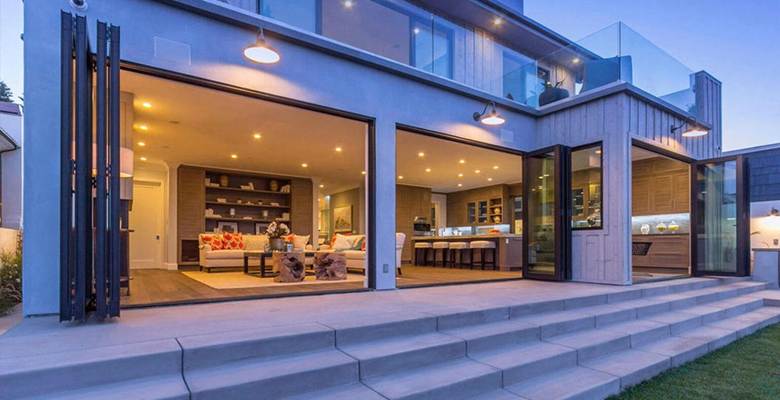
 The cost of installing a fold-away patio door depends on the size of the opening, the door material, the number of panels, and the amount of structural work required. A simple installation in an existing opening will usually cost less than a project that involves removing walls or creating a wider entrance.
Homeowners also need to consider glass options, hardware quality, labor rates, and finishing work. Understanding these cost factors makes it easier to set a realistic budget and compare contractor estimates.
Size and Number of Door Panels
Larger openings require more door panels, glass, framing materials, and installation time. A three-panel system will generally cost less than a six- or eight-panel system designed to open an entire wall.
Oversized or custom-made panels may also increase the price. Standard measurements are usually more affordable because they require fewer design and manufacturing adjustments.
Door Frame Material
The frame material affects both the initial price and long-term maintenance needs. Common options include:
●Aluminum: Durable, sleek, and well-suited to supporting expansive glass panels
- Vinyl: More affordable and energy-efficient in many applications
- Wood: Offers a warm appearance but requires regular maintenance
●Fiberglass: Built to withstand moisture and shifting temperatures without losing its strength.
Premium frame finishes or custom colors may add to the final cost. Homeowners should compare durability, insulation, and maintenance rather than choosing based on appearance alone.
Glass and Energy-Efficiency Options
Glass makes up a large portion of fold-away patio doors, so the type selected can significantly affect the project price. Double-pane glass is commonly used, while triple-pane units may provide better insulation in colder climates.
Low-emissivity coatings, gas-filled panes, tinted glass, and impact-resistant glass can also increase the cost. However, these options may help reduce heat loss, limit sun damage, and improve indoor comfort.
Structural Changes to the Opening
Installation becomes more expensive when the existing wall needs major changes. The contractor may need to widen the opening, reroute nearby electrical wiring, add a new support beam, or repair any damaged framing.
Structural work usually requires more labor and may involve permits or engineering advice. Homeowners should ask whether these services are included in the estimate or billed separately.
Hardware and Operating Features
High-quality tracks, hinges, rollers, handles, and locking systems improve the smoothness of door opening and closing. Less expensive hardware may lower the upfront price, but it may wear out sooner with frequent use.
Additional features such as multipoint locks, concealed hinges, low-profile thresholds, or motorized screens can raise the overall project cost. The best choices depend on security needs, accessibility, and how often the doors will be used.
Removal and Finishing Costs
The price may include the removal and disposal of the existing patio door. This is especially important when replacing sliding glass patio door systems with a much wider folding-door opening.
After installation, additional work may include:
●Interior drywall repair
- Exterior siding or brick adjustments
- Painting and trim installation
- Flooring repairs near the threshold
●Weatherproofing and sealing
A detailed written estimate should clearly show which finishing services are included. This helps homeowners compare quotes accurately and avoid unexpected expenses once the installation begins.





