



Summer heat demands a reliable cooling system. When temperatures climb, a malfunctioning cooling unit turns your home into an oven quickly. Paying attention to small changes in system behavior prevents total breakdowns. Recognizing early warning signs saves money on major fixes down the line.
Homeowners often overlook minor issues until the machinery stops working completely. Catching these problems early keeps your living space comfortable throughout the hottest months of the year. Consistent maintenance protects your budget from emergency fees.
https://unsplash.com/photos/a-air-conditioner-sitting-on-the-side-of-a-building--nbWCvUiFJA
Warm Air Coming From The Vents
Nobody wants to feel hot air blowing when the cooling system runs. Check your thermostat settings first to confirm it is set to cool rather than heat. If the settings look correct but the air remains warm, the compressor might have an issue.
A recent educational update from a technical college blog explained that ineffective cooling combined with extended running cycles frequently indicates a refrigerant leak. This issue prevents the system from removing heat from your indoor air properly. Low refrigerant levels strain your equipment and can lead to severe compressor damage.
Addressing this problem quickly keeps minor issues from turning into costly equipment failures. Experienced technicians can identify the exact location of the leak and restore proper thermal balance. Regular adjustments keep the system operating at peak capacity throughout the season.
Constant On and Off Cycling
Your cooling system should run in regular, predictable cycles to maintain a steady temperature. Constant starting and stopping indicate that something is wrong, making professional air conditioning repair a necessity before the motor burns out completely. Short cycling wastes energy and prevents your home from ever reaching the desired comfort level.
A system that constantly turns itself on and off places immense stress on every internal component. This issue often stems from a miscalibrated thermostat or a clogged ventilation path. Getting a professional evaluation determines whether your unit needs a simple adjustment or a more comprehensive fix.
Steady operation keeps your home comfortable and protects the machinery from excessive wear. Regular cycles mean your home stays cool without draining excessive amounts of power. Consistent airflow prevents hot spots from forming in different rooms of your house, too.
Unusual and Loud Noises
https://unsplash.com/photos/a-white-air-conditioner-mounted-to-a-yellow-wall-PRvyVbLwJy0
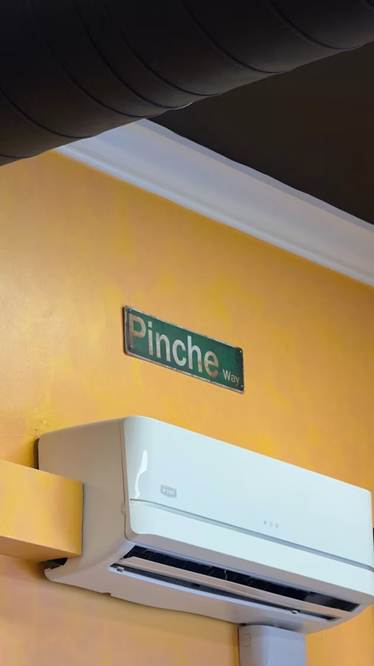
Cooling units operate with a low, predictable hum. New or sudden sounds mean components are loose or failing. A municipal news release highlighted that the outdoor compressor is typically the loudest component, meaning loud banging or clunking sounds point toward a significant issue.
These sounds often mean a part has detached inside the housing. Different sounds mean different issues within the mechanical setup. An industry service guide mentioned that squealing or screeching sounds typically stem from a worn-out belt or motor bearings needing lubrication.
Ignoring these auditory warnings leads to complete mechanical failure. Loose parts can destroy surrounding components if left spinning inside the unit cabinet. Cracking sounds might indicate structural damage to the fan blades.
High Humidity Levels Indoors
An air conditioner does more than lower the temperature in your home. It pulls moisture from the air to maintain a comfortable indoor climate. When the air inside feels sticky or muggy, your system is failing its secondary job.
An environmental platform pointed out that excess moisture serves as a clear sign that a cooling system requires immediate professional intervention. High humidity makes the indoor air feel much warmer than the actual thermostat reading. It creates a breeding ground for mold growth in your ductwork and walls.
Professional calibration can restore the humidity control capabilities of your equipment. Keeping humidity low protects your furniture and improves indoor air quality. Balanced moisture levels make the air feel crisper and cleaner.
Poor Airflow and Weak Output
You might notice that the air coming from your vents feels cold, but it barely pushes into the room. Weak airflow means the system works harder to circulate cooled air. A government energy resource stated that dirty filters and coils cause system malfunctions and can lead to premature compressor or fan failure.
Airflow issues often stem from blockages within the central cooling infrastructure. Property owners can look for specific blockages when airflow drops significantly:
- Accumulated dust blocks the fine mesh of your return air filters.
- Grime coats the evaporator coils and stops thermal transfer.
- Cracks in the ductwork allow conditioned air to escape before reaching rooms.
Regular maintenance keeps these pathways clear and protects the expensive internal parts from snapping under pressure. Clean components move air efficiently and lower your monthly operational expenses. Proper airflow ensures that every corner of your home receives equal cooling.
Frequent Electrical Issues and Spikes
Unexplained spikes in your monthly power bills suggest your cooling system is losing efficiency. A clean energy fund guide mentioned that a system experiences extra strain, which affects energy bills, when it cycles rapidly between starting and stopping. This constant restarting draws peak electrical current repeatedly.
Your utility bills reflect this operational inefficiency clearly. When a unit struggles to complete a normal cooling cycle, it wastes power without cooling your home. Checking the electrical connections and components reveals why the system draws so much power.
Electrical wear can cause breakers to trip repeatedly during hot afternoons. Replacing worn electrical contacts protects your home from sudden system blackouts. Voltage fluctuations can damage delicate digital control boards if left unaddressed.
Visible Physical Warnings Around the Unit
Taking a walk around your outdoor and indoor components reveals physical signs of trouble. Physical changes point to internal mechanical stress that requires prompt attention. Property owners can inspect specific areas to spot physical damage before a total shutdown happens:
- Pools of water collect around the base of the indoor air handler.
- Ice formations cover the exterior brass valves or refrigerant lines.
- Heavy rust discolors the metal casing of the outdoor condenser cabinet.
Noticing these physical indicators early allows you to take action before total system failure occurs. Regular inspections prevent minor leaks from causing major structural damage to your floors. Keeping the surrounding area clear of debris protects the external housing from accelerated wear.
Monitoring your cooling system helps maintain comfort throughout the summer months. Taking action when you notice these warning signs protects your investment and prevents emergency breakdowns. Small adjustments keep your equipment running smoothly for years.
Schedule regular inspections to keep your home cool and safe. Professional technicians have the tools to spot hidden problems before they disrupt your daily routine. Staying proactive keeps your indoor environment comfortable all year long.