



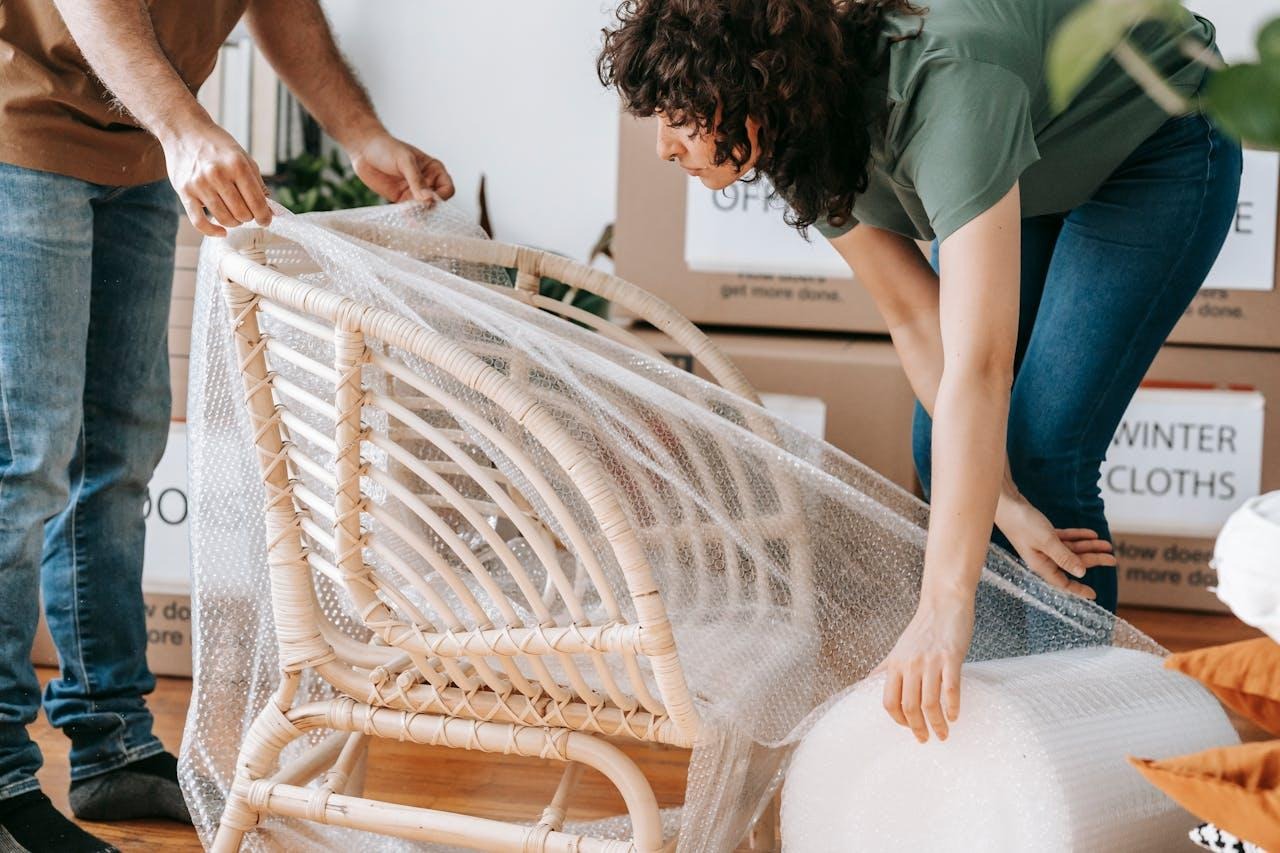
It is easy to become overwhelmed by the multitude of tasks that occur during an apartment relocation as the process develops rapidly. A lack of organization will lead to small oversights developing into additional time needed, increased costs, and/or conflicts.
The process of moving is much easier to manage if you are organized and prepared for all of the events that may develop as part of it.
In this guide, we will show you how organizing your relocation through planning, creating lists, and communicating clearly can allow you to move confidently in and out of an apartment.
Why Proper Planning Makes All the Difference
A good plan can help minimize last-minute stress, prevent you from missing important deadlines, and allow you to maintain control over your move.
Understanding your lease, including the notice period you have before you need to vacate, what your responsibilities are as a tenant, and knowing how to best protect your security deposit are all the result of planning.
Benefits of planning ahead include:
Less uncertainty surrounding the move-in and move-out process
Your ability to organize your documents and your timeline
The reduced likelihood of a dispute with your landlord
You have additional time to identify and resolve any issues with repairs or cleaning
By giving yourself plenty of time, you can think more clearly about your decisions, communicate better, and transition to your new apartment with more confidence than under pressure.
Essential Move-In and Move-Out Checklists to Keep You Organized
Using detailed move-in and move-out checklists can help renters avoid disputes with landlords. This section will walk you through what you need to know and do when leaving your old apartment and transitioning into the new.
Move-Out Checklist: Preparing Your Old Apartment
Check your lease to see when you should notify your landlord or property manager about your move-out
If there is an inspection, you need to schedule a walk-through
Leave the place spotless, all appliances and floor cleaned.
Fix small problems like nail holes in the wall, etc.
Get rid of everything of yours, trash included.
Take pictures & video showing the condition of the space at this point, date included.
Give back all of your keys, Fobs and other access devices.
Move-In Checklist: Setting Up Your New Apartment
Inspect the unit closely BEFORE you start to unpack
Document pre-existing problems with photographs and writing notes
Test all appliances, light fixtures, plumbing, heating/cooling systems, etc.
Verify that all utilities and internet service are available and turned on
Fill out a work order for anything broken or malfunctioning during your inspection
Save copies of your lease agreement and your inspection report
Note that this checklist isn’t set in stone but is meant to guide your transition and help you come up with other important things necessary for a smooth relocation.
Tips for Communicating Effectively with Your Landlord
Clear Effective and timely communication will help avoid misunderstandings as well as assist in resolving any issues that may arise between you and your landlord. This is also important for protecting your rights through all phases of your rental agreement and during transitions from one rental property to another.
Communicate Early and in Writing
Whenever you can communicate via written documentation with your landlord about important requests or notices, do so. Documentation created in written form will provide a record of communication that will help reduce miscommunication. It will also help both you and your landlord track timelines and responsibilities regarding the items you have discussed and agreed upon.
Be Clear about Requests
Include specific details such as date(s), location(s) of the problem, and any photographs you may have taken. The more detail you can provide about an issue, your landlord will respond, including possible resolutions.
Understand and Follow Proper Channels
Follow the communication method outlined in your rental agreement (e.g., tenant portal or by email). Using established communication channels for your concerns will ensure that they are received by the correct person and avoid potential delay or unmet requests.
Stay Professional and Respectful
Using a respectful tone when communicating, even in times of disagreement, is key to achieving a positive outcome. Using professional terms will assist with building a cooperative environment, which will make resolving disputes much easier and less likely to create unnecessary friction.
Work Effectively With Professional Property Management
Working through a company that provides professional property management gives you a clear understanding of how the rental process works, what to expect, and who to contact in case something goes wrong.
Landlords partner with these firms because a quality property management company in Northern Virginia can handle tenant screening, rent collection, maintenance coordination, and legal compliance. These ensure the property remains profitable while tenant worries are addressed effectively.
Conclusion
The first step to an easy apartment move is preparing for the transition. Preparation involves planning, organizing, and communicating clearly with your landlord.
All of these steps will help prevent or eliminate problems that are common when transitioning from one rental to another. They can also help ensure your deposit is protected, help save time, and minimize your overall stress level.
If you remain proactive and well-informed throughout this entire process, you will have total control over your moving process, and it will be much easier to make a smooth transition to your new home.





