



Living in a rental property means balancing your lease terms with the daily needs of your animal companion. Creating a comfortable and safe environment inside an apartment helps keep your pet relaxed, happy, and well-behaved.
Simple daily habits help maintain a peaceful home for both you and your furry roommate. Making small adjustments to your weekly schedule can prevent common household issues before they ever start.

Managing Indoor Space Safely
Providing designated spots for play and rest keeps your apartment orderly and clean. Clear pathways allow your dog or cat to move around safely without knocking over fragile items or decorations.
Securing loose electrical wires and heavy furniture prevents accidental injuries during active playing hours. Dedicated scratching posts or durable chew toys protect the rental property from unwanted claw damage.
Setting clear boundaries helps your animal companion adjust to the daily rhythms of apartment life. Regular indoor play sessions help burn off excess energy throughout the morning and evening.
Tracking Canine Oral Hygiene
Monitoring physical health requires paying attention to subtle changes in daily animal behavior. Finding experts like Affordable Pet Dental Care In Peoria allows owners to address routine checkups without stretching their monthly budget too thin. Regular examinations help catch problems early before they require expensive emergency medical treatments.
Checking your pet's mouth regularly can reveal hidden warning signs, such as redness or swelling. Simple cleaning habits can keep their teeth and gums in good condition between veterinary visits.
Owners can use specialized chews or toys to help keep teeth clean naturally. Consistency in these daily home routines supports a comfortable and active lifestyle for your canine companion.
Monitoring Household Pet Activities
Tracking daily behaviors helps owners understand the general well-being of different domestic species. Cats and dogs interact with their indoor environment in distinct ways that directly influence their physical fitness.
A recent veterinary science report showed that specific health condition numbers vary from 9% to 80% in dogs and 14% to 96% in cats based on different study populations. These wide variations demonstrate why researchers look closely at specific animal groups in residential settings.
Observing how your pet climbs, jumps, or runs provides valuable clues about their comfort levels. Routine observation helps you notice minor shifts in movement or stamina within small spaces.
Reviewing Canine Health Factors
An animal's breed and body size can heavily influence their susceptibility to common wellness issues. Smaller animals often require different care routines compared to larger companions living in a rental space.
A 2026 journal article indicated that a major health condition affects between 44% and 100% of dogs. This high frequency highlights the necessity of regular health tracking for all canine companions.
An epidemiological study found that common health issues increase with age but decrease with body weight. The research notes that toy and small breeds exhibit the highest susceptibility to these long-term concerns.
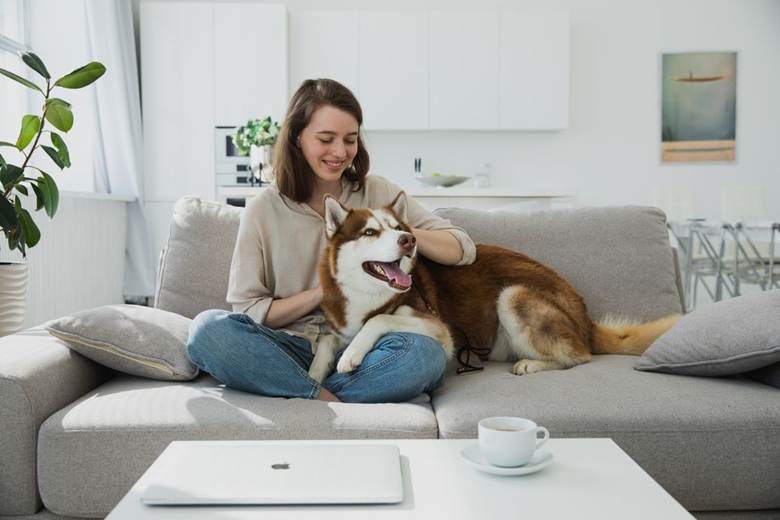
Maintaining a steady wellness routine makes apartment living highly enjoyable for domestic pets. Consistent care creates a predictable environment where your animal companion can feel secure and happy.
A healthy pet contributes greatly to a peaceful, quiet, and happy household. Prioritizing their daily comfort turns any standard rental space into a true home for the entire family.