



Moving ranks as one of the most stressful life events for renters, and anyone who has packed up an apartment knows why. Between juggling work schedules, coordinating with landlords, packing belongings, and adjusting to a new neighborhood, the process can feel overwhelming fast. The good news is that most of the stress comes from a lack of planning, not the move itself.
When renters plan ahead, they avoid the last-minute scramble that leads to forgotten deposits, surprise utility fees, missed elevator reservations, and damaged furniture. A solid plan also helps renters stay on good terms with property managers, landlords, and movers, all of whom play a role in making the day go smoothly. Whether the next home is two miles away or across the state, preparation reduces delays, prevents damages, and keeps unexpected costs from piling up.

This complete checklist walks renters through every stage of the move, from the first lease review to unpacking essentials in the new place.
Start Planning Your Move Early
The earlier the planning begins, the smoother the move will be. Most renters underestimate how many small tasks add up in the final two weeks, so giving yourself a head start pays off.
Review Your Lease Agreement
Before doing anything else, pull out the lease and read it carefully. Most agreements include specific rules that affect the timing and cost of moving out. Look for the required notice period, which is typically 30 or 60 days, and check whether the notice needs to be submitted in writing. Pay attention to security deposit expectations, including any cleaning fees, repair requirements, or itemized deductions that may apply. Some buildings also have detailed move-out procedures and require renters to reserve the freight elevator or loading dock in advance. In larger apartment complexes, these reservations book up quickly, so the sooner this is handled, the better.
Create a Moving Timeline
A written timeline keeps everything on track. A 30-day checklist is a smart starting point and should include scheduling movers, transferring utilities, and updating your address with important services. Block out specific days for packing each room, gathering supplies, and handling paperwork. Spacing tasks out over several weeks prevents the chaos that comes from doing everything in the final 48 hours.
Declutter Before Packing
Every move is an opportunity to lighten the load. Packing items you no longer use wastes time, money, and energy.
Sort Items by Category
Go room by room and place every item into one of four piles: donate, sell, discard, or store. Clothing that hasn't been worn in a year, kitchen gadgets that never get used, and old electronics often fall into the donate or sell categories. Local charities, online marketplaces, and consignment shops make it easy to clear out belongings quickly. Anything broken or expired should go straight into the discard pile.
Reduce Moving Costs by Downsizing
Less stuff means fewer boxes, lower labor time, and a faster, easier unpacking process on the other end. Movers typically charge based on weight, volume, or hours, so cutting the load directly cuts the bill. Downsizing also reduces the risk of breaking items in transit and makes the new place feel less cluttered from day one.
Schedule Professional Movers in Advance
Booking movers early is one of the most important steps in the entire process. Quality moving companies fill their calendars quickly, especially on weekends and at the end of the month when most leases turn over.
Benefits of Hiring Experienced Movers
Professional movers bring efficiency that's hard to match with a few friends and a rented truck. They know how to load a truck to protect furniture, handle heavy lifting safely, and navigate tight staircases and narrow doorways without damaging walls or floors. Hiring pros also reduces the physical and mental stress of moving day, freeing up renters to focus on coordination, paperwork, and the actual transition into the new home.
Choosing the Right Moving Company
Not all movers are created equal. Look for companies that are licensed and insured, with strong reviews from recent customers. Transparent pricing matters too, since lowball estimates often turn into surprise charges on moving day. Companies with apartment moving experience are especially valuable because they understand building rules, elevator scheduling, parking restrictions, and the quirks that come with multi-unit properties.
Renters moving between apartments or homes often work with professional companies like EZ Movers & Storage to help coordinate packing, transportation, and moving-day logistics while minimizing stress and delays.
Pack Strategically for an Easier Move
Packing is where most people lose time. A strategic approach saves hours on both ends of the move.
Label Every Box Clearly
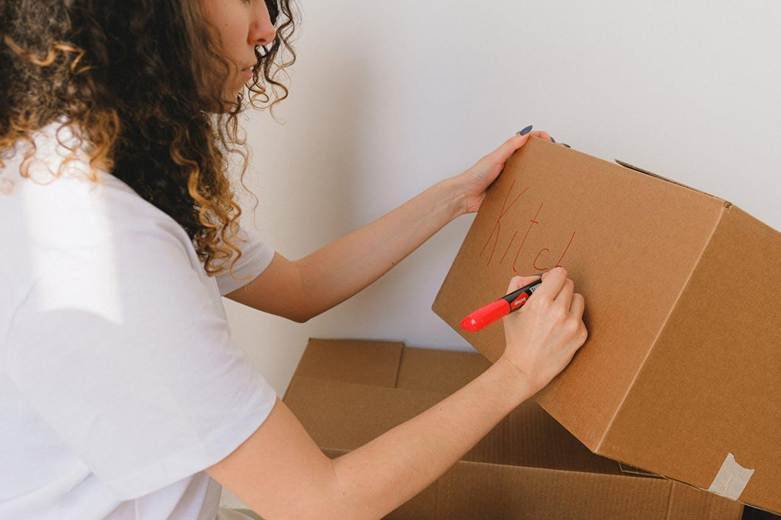
Use a room-by-room organization system and label each box with its destination room and a short list of contents. Mark fragile items boldly on multiple sides so movers handle them with care. Pack an essentials box for the first night that includes phone chargers, a change of clothes, basic toiletries, medications, and a few kitchen items. This box should be the last one loaded and the first one unloaded.
Protect Valuable and Fragile Items
Electronics, glassware, artwork, and TVs need extra attention. Use original boxes when possible, and wrap each item in bubble wrap or packing paper. TVs should travel upright in padded boxes, and screens should never have heavy objects stacked on top of them. For artwork, corner protectors and flat positioning prevent frame damage. Plates and glassware should be packed vertically with cushioning between each piece.
Prepare for Move-Out Day
The condition of the unit at move-out directly affects how much of the security deposit comes back. A thorough handoff protects renters from disputes and unexpected charges.
Clean the Property Thoroughly
A deep clean is non-negotiable for most leases. Focus on kitchens and bathrooms first, since these areas attract the most scrutiny. Wipe down cabinets, scrub appliances inside and out, clean grout, and polish fixtures. Sweep, mop, or vacuum all floors, paying close attention to corners and baseboards. Remove all trash from the unit, including any items left in closets, drawers, or storage spaces.
Document the Condition of the Unit
Before handing over the keys, take detailed photos and videos of every room. Capture wide shots and close-ups of floors, walls, appliances, and fixtures. Date-stamped documentation is one of the best defenses against unfair deposit deductions. If there are pre-existing issues that were noted at move-in, photograph them again to confirm they haven't changed.
Return Keys and Access Devices
Gather every item that belongs to the property: house keys, mailbox keys, garage remotes, fobs, parking passes, and amenity cards. Missing items often result in replacement fees pulled from the deposit. Some buildings require renters to return these in person, while others accept them by mail or drop box. Confirm the preferred method with the property manager.
Coordinate Utilities and Address Changes
Utilities and address updates are easy to forget in the rush of moving, but skipping them creates headaches later.
Transfer or Cancel Utilities
Contact each utility provider at least two weeks in advance. This includes electric, gas, internet, water, and any subscription services tied to the address. Some can be transferred to the new place, while others need to be canceled and restarted. Coordinate disconnect and connect dates so the new home has power and internet on move-in day, and the old home isn't billed for service after move-out.
Update Your Address Everywhere
File a change of address with USPS to forward mail for several months. Then update the address with banks, credit card companies, insurance providers, employers, the DMV, and any subscription services. Doctors, schools, and government agencies should also be notified. Missing one of these can lead to missed bills, expired insurance, or lost mail.
Make Move-In Day Easier
Moving in is more than carrying boxes through the door. The first few hours set the tone for life in the new place.
Inspect the New Property Immediately
Before unpacking, walk through the entire unit with the move-in inspection form. Check for damages, test every appliance, run the faucets, flush toilets, and confirm the HVAC system works in both heating and cooling modes. Note anything that needs attention and send the list to the property manager the same day. This protects the security deposit and gets repairs started quickly.
Unpack Essentials First
Start with the essentials box. Set up toiletries in the bathroom, basic kitchen items for the first meals, bedding for a good night's sleep, and chargers for phones and laptops. A functional bathroom and bedroom on night one make a huge difference. The rest of the unpacking can happen over the following days without the pressure of doing it all at once.
Common Moving Mistakes Renters Should Avoid
A few common mistakes derail otherwise well-planned moves. Avoiding these saves money and frustration.
Waiting Too Long to Book Movers
Quality movers book up weeks in advance, especially during peak season from May through September. Waiting until the last week often means settling for a less reliable company or paying premium rates for whatever slot is left.
Underestimating Packing Time
Most renters think packing will take a weekend. In reality, a one-bedroom apartment takes about 10 to 15 hours of focused packing, and larger homes take much longer. Starting at least two weeks out prevents the panic-packing that leads to broken items and lost belongings.
Ignoring Building Rules or HOA Policies
Many buildings restrict moving to certain hours, require elevator reservations, or charge fees for using shared spaces. Some HOAs have rules about truck parking, dumpster use, or noise during the move. Reviewing these in advance prevents fines and last-minute scrambling.
Failing to Measure Large Furniture
Couches, mattresses, and dressers that fit in the old place may not fit through the doorways, stairwells, or elevators of the new one. Measure every large piece and compare it to the openings in the new home before moving day. If something won't fit, sell or donate it ahead of time rather than dealing with it during the move.
Moving becomes much easier when renters approach it with a plan and a clear timeline. The renters who handle it best are the ones who start early, stay organized, and keep open communication with their property management team and movers throughout the process.
Planning ahead pays off in real ways: smaller bills, fewer damages, faster move-out approvals, and a smoother transition into the new home. Whether it's reviewing the lease, decluttering, packing strategically, or coordinating utilities, every step taken in advance reduces the stress of moving day. Renters who organize early and work with experienced professionals consistently come out ahead, with deposits intact and energy left over to enjoy their new home.