



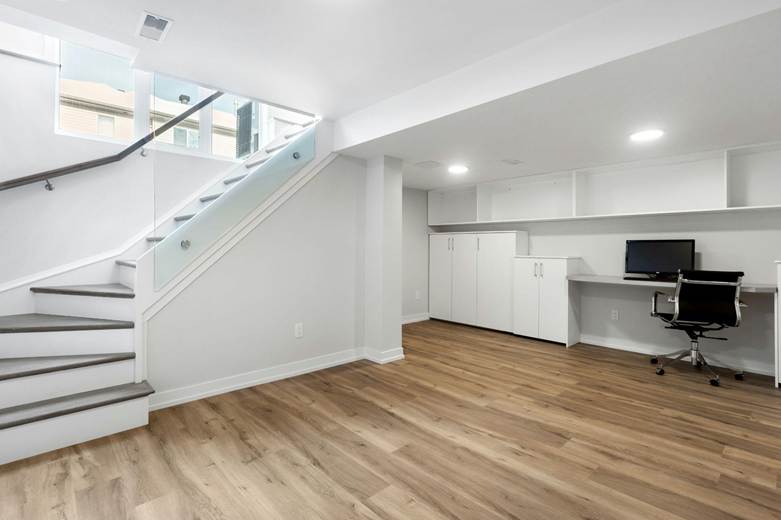
Basements are no longer viewed as dark storage areas reserved for holiday decorations, unused furniture, or forgotten workout equipment. In many modern homes, they have become some of the most versatile and comfortable spaces in the house. Families increasingly use basements as entertainment areas, guest suites, fitness zones, home theaters, and quiet retreats away from busier parts of the home. A thoughtfully upgraded basement can dramatically improve how a property feels and functions throughout the year.
One reason basements are becoming more valuable is their flexibility. Unlike kitchens or living rooms, basement spaces often provide a blank slate that homeowners can shape around their lifestyles and interests. The most successful upgrades usually focus on comfort, functionality, lighting, and long-term usability instead of simply finishing the space for appearance alone. Small design decisions can make basements feel brighter, warmer, and significantly more inviting during every season.
Better Lighting Makes Basements Feel Less Isolated
Lighting is often the single biggest factor separating an inviting basement from one that feels unfinished or disconnected from the rest of the home. Many basements suffer from limited natural light, which can make rooms appear colder and smaller than they actually are. Layered lighting solutions help solve this problem by creating warmth and visual depth throughout the space.
Recessed ceiling lights, wall sconces, floor lamps, and strategically placed LED accents can make basement rooms feel far more comfortable year-round. Warm lighting tones generally create a more relaxed atmosphere compared to harsh white lighting that can make underground spaces feel sterile. Mirrors, lighter wall colors, and reflective materials also help maximize brightness and prevent basements from feeling enclosed during darker winter months.
Entertainment Spaces Are Becoming More Personalized
Many homeowners now design basements around personal hobbies and recreation instead of generic entertainment rooms. Spaces dedicated to movies, gaming, fitness, music, or sports create more meaningful everyday experiences while helping families spend more time at home together. Personalized entertainment spaces also tend to age better because they are designed around long-term interests rather than temporary design trends.
For sports enthusiasts, researching the best indoor golf simulator retailers has become part of planning highly customized basement recreation spaces that can be enjoyed regardless of weather conditions. Golf simulators, gaming setups, and interactive entertainment features allow basements to function as year-round activity hubs instead of rooms that remain unused for most of the year. The key is designing around realistic lifestyle habits rather than trying to copy showroom-style spaces that rarely get used.
Flexible Design Choices Make Basements Easier to Upgrade Later
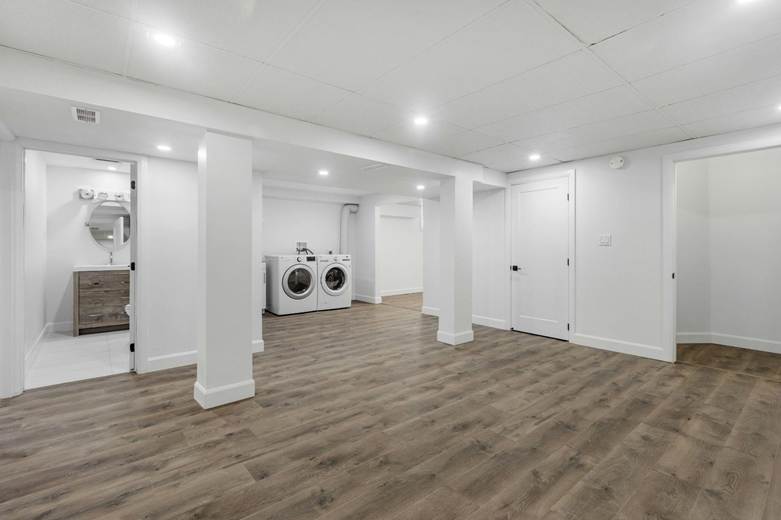
One of the smartest approaches to basement remodeling is planning for flexibility from the beginning. Families change over time, and spaces that feel perfect today may need to serve completely different purposes several years later. Designing with adaptability in mind helps homeowners avoid expensive redesigns while keeping the basement functional long-term.
Many homeowners exploring larger renovation ideas look at examples of home redesign in Austin, TX from Seven Custom Homes because these projects often focus on creating spaces that combine comfort, entertainment, storage, and practical daily living in a cohesive way. Flexible layouts, multi-purpose rooms, and built-in organization systems allow basement areas to evolve naturally alongside changing household needs instead of becoming outdated quickly.
Temperature Control Has a Major Impact on Comfort
Basements often struggle with temperature inconsistency throughout the year. Some feel too cold during winter, while others become humid and uncomfortable during warmer months. Addressing these issues early can dramatically improve how often the space is actually used by the household.
Insulation upgrades, improved ventilation, moisture control systems, and dedicated heating or cooling solutions help create a much more balanced environment. Area rugs, insulated flooring, and soft furnishings can also make basement spaces feel warmer and more inviting. According to Energy Star, proper insulation and air sealing can improve overall home comfort while also increasing energy efficiency, especially in lower-level spaces that are more vulnerable to temperature fluctuations.
Storage Solutions Help Prevent Basement Clutter
Even beautifully renovated basements can quickly lose their appeal if clutter starts taking over the space. Since basements naturally attract storage overflow, smart organizational systems are essential for maintaining a calm and functional environment over time.
Built-in shelving, hidden storage benches, wall-mounted systems, and dedicated utility areas help keep recreational and living spaces separated from household storage needs. Organized storage also prevents basements from slowly reverting into catch-all spaces for unused items. When storage is handled intentionally, the basement remains visually cleaner and significantly more enjoyable for everyday use.
Comfort Details Often Determine How Frequently the Space Gets Used
The most successful basement upgrades usually focus on comfort just as much as aesthetics. Soft seating, acoustic improvements, layered textures, and thoughtful room layouts all influence whether people naturally gravitate toward the space after long days. Even small details such as ceiling treatments, quiet flooring materials, and cozy furniture arrangements can completely change how welcoming a basement feels.
Homeowners often discover that once comfort becomes the priority, basements transform into some of the most popular rooms in the house. Instead of functioning as occasional-use spaces, they become practical areas for relaxation, hobbies, entertainment, and family time throughout the entire year.