



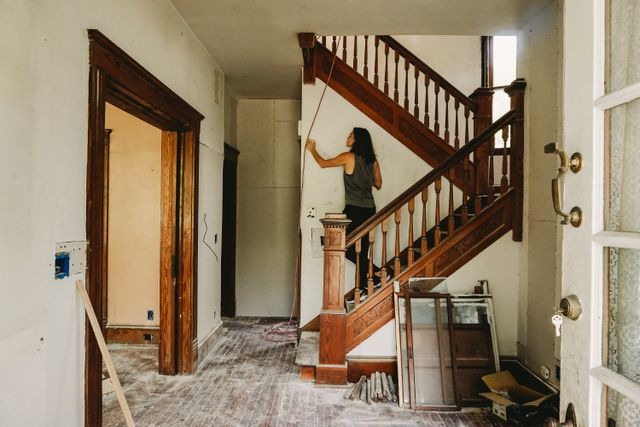
Restoring an older home can be an exciting opportunity to preserve character while improving safety, comfort, and functionality. Whether you're renovating a historic property, a mid-century house, or an aging family home, success depends on careful planning, realistic budgeting, and informed decision-making. Understanding potential challenges before work begins can help you avoid costly setbacks and keep your project moving forward.
1. Assess the Property Thoroughly Before Committing to Work
Before beginning any restoration project, take the time to understand the home's current condition. A comprehensive inspection performed by qualified professionals can reveal structural concerns, foundation issues, roofing problems, outdated electrical systems, plumbing deficiencies, and signs of pest damage.
This assessment provides a clear starting point and helps identify which repairs should take priority. Many homeowners encounter unexpected costs because significant issues remain hidden until walls, floors, or ceilings are opened during construction. Understanding these concerns early allows you to create a realistic plan and avoid major surprises later.
A detailed inspection report can serve as a roadmap throughout the restoration process, helping you decide which features should be restored, replaced, or preserved.
2. Create a Realistic Budget and Plan for Contingencies
Home restoration projects frequently uncover issues that were not visible during the initial inspection. For this reason, it is wise to build a contingency fund into your budget.
Many restoration professionals recommend setting aside an additional 15 to 20 percent beyond estimated project costs to cover unexpected repairs. Hidden water damage, deteriorated framing, outdated wiring, or asbestos-containing materials can significantly increase expenses if they are discovered after work begins.
Breaking the project into phases can make budgeting more manageable. Addressing essential repairs first allows you to prioritize safety and structural integrity while spreading costs over time. Keeping detailed records of expenses, invoices, and contractor payments can also help you stay organized and maintain control of your budget.
3. Understand Local Building Codes and Permit Requirements
Building codes and permit requirements vary by location, and failing to comply with local regulations can create legal and financial challenges. Unapproved work may affect insurance coverage, lead to fines, complicate future property sales, or require costly corrections.
Before starting restoration work, contact your local building department to determine which permits are required and whether inspections will be necessary. This is particularly important for electrical, plumbing, structural, and roofing projects.
Some properties located within historic districts may also be subject to additional preservation guidelines. Taking the time to understand these requirements early can help prevent delays and ensure your project meets current safety standards.
4. Hire Qualified Contractors With Restoration Experience
The success of a restoration project often depends on hiring professionals who understand the unique challenges of older homes. Contractors experienced in restoration work are typically better equipped to preserve original features, work with historic materials, and address issues commonly found in aging structures.
Request references, verify licensing and insurance, and ask about previous projects involving homes similar to yours. Obtaining multiple estimates can help you compare approaches and identify contractors who understand your goals.
When restoration projects uncover water damage, mold growth, or structural deterioration, it is often necessary to address those issues before renovation work can continue. Homeowners dealing with significant damage may seek assistance from others, such as a professional property restoration company in Baldwin, NY, to mitigate damage and prepare the property for rebuilding and repairs.
Strong communication is equally important. Contractors should clearly explain timelines, project scope, and potential challenges while remaining responsive throughout the process.
5. Decide What to Preserve, Restore, or Replace
A successful restoration involves balancing historical character with modern safety and functionality. Certain original features, such as hardwood flooring, decorative trim, built-in cabinetry, doors, and architectural details, may be worth preserving because they contribute to the property's unique character.
At the same time, aging systems such as outdated electrical wiring, deteriorated plumbing, failing HVAC components, and damaged roofing materials may need complete replacement to ensure safety and long-term reliability.
Some decisions fall between preservation and replacement. For example, homeowners may choose to restore original wood windows while upgrading insulation or replacing hidden mechanical systems. Evaluating each component individually allows you to preserve important character-defining features while modernizing areas that affect safety, efficiency, and everyday comfort.
Conclusion
A home restoration project requires careful preparation, thoughtful planning, and realistic expectations. Thorough inspections, detailed budgeting, compliance with local building requirements, experienced contractors, and informed preservation decisions all contribute to a smoother restoration process.
While unexpected challenges are common, approaching the project systematically can help reduce stress and avoid costly mistakes. By investing time in preparation and making decisions based on both functionality and long-term value, you can create a finished home that preserves its character while meeting modern living standards.