



A new yard is a blank canvas waiting for smart choices. With a simple plan, you can turn packed soil and patchy grass into a landscape that looks good and works hard for you.
This guide walks you through the basics in a clear order. You will map the site, prepare the ground, block weeds, build soil, and set up watering that actually saves time. Follow the steps and adjust to your climate and budget.
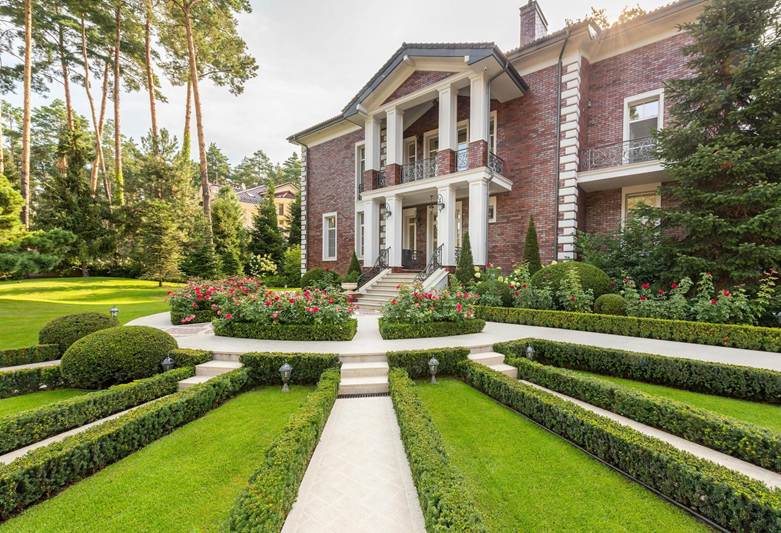
Plan Your Site And Set Priorities
Start with a quick map. Mark sun and shade, the soggy spots after rain, favorite views, and the places you want privacy. Sketch paths, beds, and play zones so every area has a job.
Pick a simple style that matches your house. Clean edges and repeat plants keep things calm, while one bold accent adds personality. Decide early where you want the lawn and where you want the low-care beds.
Set a realistic budget and pace. Do the heavy work first, like grading and edging, then move to planting and lighting. Leaving space for future features keeps the project flexible.
Clear, Grade, And Edge
Remove debris, dead shrubs, and any invasive roots. Strip thin layers of tired lawn where beds will go, keeping good topsoil on site. A clean slate helps every next step succeed.
Rough-grade the yard so water flows away from the house and off the hardscape. Aim for gentle slopes that move water without causing erosion. Use a long straight board or string line to spot humps and dips.
Define crisp edges. Steel, paver, or cut-stone edging keeps mulch where it belongs and makes mowing easier. Strong edges create a tidy look even before plants mature.
Stop Weeds Before They Start
Tackle weeds early so you are not chasing them all season. Pull or smother existing growth, then lay out beds with clear edges that block runners and creeping roots.
Prevention beats chasing sprouts later. For stubborn areas, plan a two-part approach and research local best practices for weed prevention and control, and combine them with clean mulch and tight spacing. Finish by checking irrigation coverage so you are not watering bare soil where weeds can move in.
Plant densely and cover the ground. Close spacing shades the soil, and a 2 to 3-inch layer of mulch makes it hard for new seeds to germinate. Refresh thin spots before sunlight reaches the soil again.
Plant In Phases For Quick Wins
Stage the planting so the yard looks good as you go. Trees and large shrubs create bones, then perennials and groundcovers fill the edges. Group by water and sun needs to keep care simple.
Choose resilient natives and well-adapted varieties. They settle faster, draw pollinators, and need less fuss once established. Repeat a few species across the yard to make it feel cohesive.
Mind spacing and mature size. Give each plant room to grow, so you are not pruning constantly pruning in year two. Add a thin top-up of mulch once planting is complete to lock in moisture.
Build Healthy Soil With Mulch
Soil health drives everything. Before planting, loosen compacted areas and blend in compost to improve structure and drainage. Good soil holds water longer and feeds roots steadily.
Mulch is your best friend. It moderates temperature, slows evaporation, and protects the surface from crusting. A conservation guide noted that mulch works on its own, but using it with other practices like proper watering and plant selection boosts soil health.
Use the right material for the job. Shredded bark stays put on slopes, while chips work well in flat beds and paths. Keep mulch a few inches away from trunks and stems to prevent rot.
Set Up Watering That Works
Water deeply and less often to push roots down. Aim for slow, even soaking that reaches 6 to 8 inches into the soil. Morning watering reduces waste and disease pressure.
Simple systems save time. Drip lines or soaker hoses target roots without spraying leaves or walkways. A basic timer keeps things consistent when life gets busy.
Check and adjust weekly. If the soil stays soggy, back off. If it dries to dust between waterings, add duration. Small tweaks prevent stress and keep plants growing steadily.

A great yard is built in layers. When you plan the layout, control weeds, improve soil, and water wisely, you spend less time fixing and more time enjoying the space.
Stay patient and consistent. Plants fill in, mulch settles, and the design tightens with each season, and your new yard becomes a place that looks good and works well every day.