



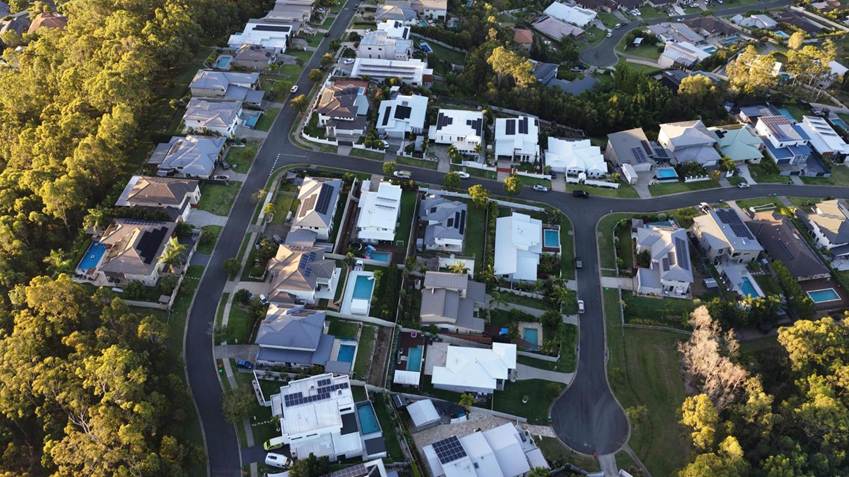
California's housing shortage has pushed lawmakers to look for new ways to add homes without large, slow and expensive developments. One of the most promising recent changes targets something many neighbourhoods already have: vacant lots in single-family zones. Senate Bill 1123, which took effect on July 1, 2025, opened a streamlined path to divide those lots into several small parcels and build starter homes on them. For investors and small builders, it creates opportunities that were previously difficult or impossible to pursue.
The Background: SB 684 and the Starter Home Revitalization Act
SB 1123 builds on SB 684, known as the Starter Home Revitalization Act of 2023, which took effect on July 1, 2024. SB 684 created a ministerial approval process for small-lot subdivisions of up to 10 parcels on land zoned for multifamily housing. Ministerial approval means a local agency must approve a qualifying project if it meets objective standards, without discretionary review or public hearings that can delay or derail it.
SB 684 was a meaningful step, but it applied mainly to multifamily-zoned land. SB 1123 extended the same approach to vacant parcels in single-family zones, where a large share of California's developable land sits.
What SB 1123 Allows
Under SB 1123, eligible vacant lots in single-family zones can be subdivided into up to 10 parcels, with up to 10 homes in total. A guide to small lot subdivisions explains how the rules work in practice, comparing SB 1123 with SB 684 and outlining what projects must meet to qualify for streamlined approval.
According to Los Angeles City Planning's summary of the rules, the main standards for vacant single-family sites include:
- Parcel size: the site must be no larger than 1.5 acres before subdivision.
- Vacancy: the site must have no permanent structure when the application is submitted, unless the structure is abandoned and uninhabitable.
- Number of lots and units: no more than 10 lots and no more than 10 units in total.
- Minimum lot size: 1,200 square feet for new lots on vacant single-family sites.
- Home size: the average floor area across the units cannot exceed 1,750 net habitable square feet.
- Parking: local rules cannot require more than one off-street space per unit, and none near qualifying transit.
Local jurisdictions may apply objective standards, so details can vary between cities. Investors should always check the local implementation ordinance.
Why It Matters for Investors
The biggest change is certainty. Traditional subdivisions can take years, with public hearings, appeals and design reviews that add risk and cost. Ministerial approval replaces much of that uncertainty with clear rules: if a project meets the objective standards, it must be approved.
That predictability can make smaller infill projects viable, particularly on lots that were previously too valuable to leave vacant but too small or awkward for a traditional development. A 1.5-acre vacant parcel that might once have supported a single large home can now potentially accommodate several smaller ones.
Opportunities for Small Builders
SB 1123 is especially relevant to small and mid-sized builders. Large developers often focus on major projects, leaving room for smaller firms to take on infill sites of a few homes. The average size cap encourages compact, relatively affordable homes, sometimes described as starter homes, which appeal to first-time buyers priced out of larger properties.
Builders can also choose between selling individual homes, holding them as rentals or using a mix of both. Because each home sits on its own parcel, sale and financing options are often more flexible than with traditional multifamily buildings.
Practical Challenges
The law removes some barriers but not all. Finding vacant parcels that meet the size limits can be difficult in established neighbourhoods. Construction costs, utility connections and infrastructure requirements still apply, and some sites may face environmental constraints or hazards that exclude them.
Local governments are still adjusting. Some cities have adopted detailed implementation ordinances, while others are still updating procedures and forms. Early projects may face administrative learning curves even with ministerial approval.
Financing is another consideration. Lenders may be unfamiliar with small-lot subdivision projects, and investors may need to work with lenders experienced in infill construction.
Steps Before Buying a Site
Before committing to a parcel, investors and builders should first confirm the zoning designation and whether the site counts as vacant under the law, then check the parcel size and any environmental or hazard restrictions. Reviewing the local SB 684 and SB 1123 implementation ordinance comes next, along with an assessment of utility access, street frontage and infrastructure costs. Finally, the project needs a realistic financial model covering construction, fees and both sale and rental scenarios.
The Bigger Picture
SB 1123 is part of a wider set of California reforms aimed at increasing housing supply, including laws expanding accessory dwelling units and lot splits. Together, they signal a shift toward allowing more homes in existing neighbourhoods. The California Department of Housing and Community Development publishes guidance on state housing laws and how local governments are expected to implement them.
Looking Ahead
For investors and builders willing to work through local rules, SB 1123 opens a new category of infill projects across California. The opportunity lies in finding the right vacant sites and executing compact, efficient developments. As more cities finalise their procedures and early projects move forward, the true impact of the law will become clearer.