



Owning a home that no one lives in can slowly turn into a financial headache. At first, it may seem harmless since the property still belongs to you and might be useful later. Over time, the reality becomes harder to ignore as bills continue to arrive, repairs become more frequent, and stress starts to grow. Mortgage payments, property taxes, insurance, and upkeep never pause just because the house is empty. Without rental income or personal use, the property only takes money instead of giving value back. Selling a vacant home can help stop this financial drain and open the door to better opportunities and peace of mind. What better way to own a home than to contact Estate agents in Hinchley Wood.
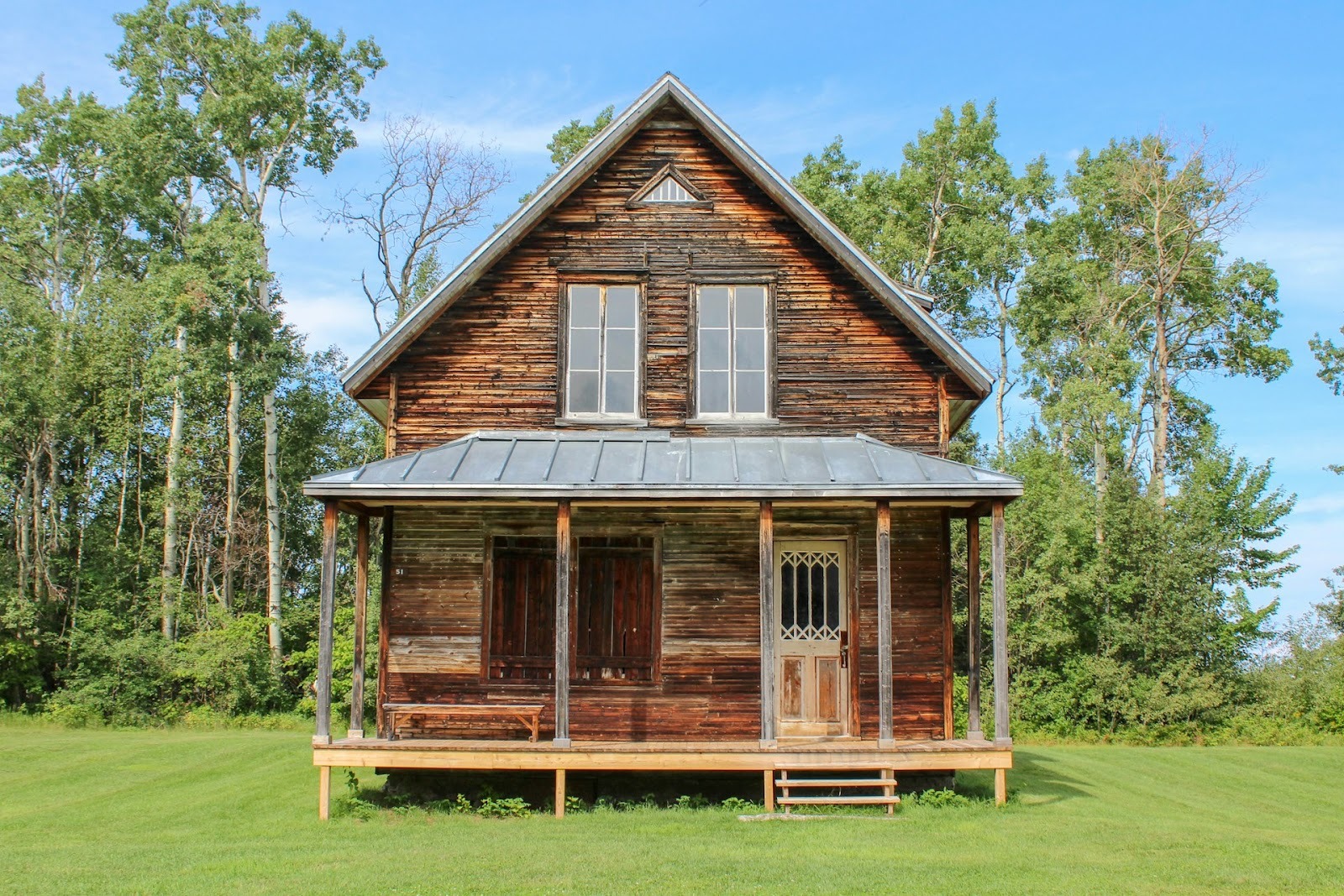
Bills that never stop
A vacant house still comes with the same responsibilities as a lived-in one. Property taxes must be paid each year, and insurance stays active to protect against damage or liability. Utility companies often charge basic service fees for water, electricity, and gas, even when usage stays low. Lawn care, trash service, and general maintenance remain necessary to keep the property in good condition and avoid complaints from neighbors or local authorities. These costs may seem small at first, yet they grow over time and can place pressure on your finances.
Maintenance becomes more expensive when no one checks the home daily. Minor issues like roof leaks, loose shingles, or cracked seals can turn into serious problems if left unnoticed. Moisture can lead to mold, pests can move in, and structural damage can develop quietly. Repairs that could have been simple often become costly projects. Keeping an empty home in good shape requires constant attention, time, and money, which many owners find frustrating after a while.
Security also becomes a concern. Vacant homes attract trespassers, vandals, and thieves. Broken windows, damaged doors, and missing fixtures can raise repair costs and increase insurance premiums. Some areas even fine owners for neglected properties. When all these expenses combine, an empty house can feel like a heavy financial burden.
Hidden dangers of empty properties
Homes without residents face higher risks since no one is around to notice problems early. Insurance companies often charge more for vacant houses because the chance of damage rises when a property sits unused. Some policies reduce coverage after a set period of vacancy, leaving owners with less protection. This makes unexpected repairs more stressful and expensive.
Weather can also cause serious damage. A small roof leak during a storm can soak walls and ceilings before anyone notices. In colder areas, frozen pipes can burst and flood the home, creating thousands of dollars in repairs. Heat, humidity, and strong winds slowly wear down the structure. These risks remain all year and create ongoing worry for the owner.
Local rules add another layer of responsibility. Many cities require vacant homes to meet certain safety and maintenance standards. Overgrown lawns, broken fences, or unsafe structures can lead to fines or legal notices. Staying compliant takes effort and money, which often feels exhausting when the home is not being used. Selling the property removes these risks and duties from your life.
Why do owners wait too long?
Emotional attachment keeps many people from selling. A house may hold family memories, personal milestones, or sentimental value that makes letting go feel difficult. While these feelings are natural, holding on too long can increase financial pressure and delay new opportunities.
Some owners wait for better market conditions, hoping prices will rise. Real estate markets change over time, yet monthly costs continue no matter what. Taxes, insurance, and maintenance never stop, which means waiting can quietly reduce potential profit. By the time the market improves, the ongoing expenses may have already taken a large share of the value.
Others plan to renovate the home before selling. The idea of improving the property to earn a higher price sounds appealing. Renovation projects often take longer and cost more than expected. Contractor delays, rising material costs, and unexpected repairs can stretch budgets thin. Meanwhile, the house remains empty and continues to cost money. In many cases, selling the home as it stands can save time, stress, and cash.
Easy ways to sell fast
Traditional home sales often involve cleaning, repairs, showings, and long waiting periods. This process can feel overwhelming when the property is already empty and needs work. Many owners hesitate to invest more money into a house that has already drained their savings.
Cash buyers offer a simpler option for those who want to move quickly. These buyers often purchase homes in their current condition, so no repairs, upgrades, or staging are required. This saves time and effort while making the process smoother. Closings can happen much faster than with standard listings, sometimes within days instead of months.
The paperwork usually stays simple, and some companies even cover closing costs, which lowers expenses for the seller. For homeowners looking for a stress-free solution, Revival Homebuyers focuses on helping people sell vacant properties without hassle. Their process allows owners to move forward without the pressure of repairs, showings, or long negotiations.
Timing that fits your life
Market timing plays a role in real estate, yet personal timing often matters more. If your vacant property causes financial strain or constant worry, waiting for perfect conditions may not improve your situation. Each month of ownership brings new expenses that continue to drain your resources.
Buyers look for opportunities in every type of market, including investors who focus on homes that need work. Many of these buyers treat vacant homes as a real estate investment that can be improved and resold later. These buyers often prefer quick, simple transactions and remain active throughout the year. This means you do not always need to wait for busy seasons to find interest in your property.
Spring and summer usually bring more activity, while winter tends to be slower. Still, vacant homes can sell in any season when priced fairly and presented to the right buyers. The best time to sell often comes down to when the property costs more than it gives back.
Simple prep for selling
Preparing an empty house for sale does not require a full renovation or major upgrades. Small, practical steps can make the process easier and help you move forward with confidence. Start by gathering important paperwork such as the deed, tax records, and any repair history you may have. Having these documents ready saves time and prevents delays when buyers ask for details. This simple step keeps the selling process organized and less stressful from the beginning.
Securing the property is another helpful move. Make sure all doors and windows are locked, unused utilities are turned off, and any safety hazards are removed. A secure home feels more presentable and reduces the risk of damage while the property is on the market. A clean, safe space also helps buyers see the potential without distractions.
Choosing the right selling path matters just as much. Some owners list with an agent, while others prefer selling directly to a buyer or working with a cash home buyer. Each option comes with different timelines, costs, and levels of effort. Knowing what fits your situation helps you avoid unnecessary stress and wasted time. Clear priorities make everything easier. Decide whether speed, convenience, or price matters most to you. This keeps your choices focused and helps you move forward without second-guessing every step.
Relief after the sale
Once the property sells, the steady flow of expenses finally stops. Property taxes, utility bills, and repair costs no longer take money from your budget. This change brings instant financial relief and removes a major source of stress from your life. Many owners feel a sense of freedom when the burden of an empty house disappears.
The money from the sale can support many goals. Some people use it to clear debt, invest in new opportunities, or build savings for the future. Others enjoy the comfort of having fewer financial responsibilities. No matter how the funds are used, selling creates space for better financial control. Peace of mind often becomes the biggest reward. Worries about damage, break-ins, or city fines fade away. Life feels simpler without constant concerns about an unused property.
New freedom moving forward
After selling a vacant home, many people feel lighter and more flexible in their daily lives. Without the pressure of managing an empty property, they gain more time, energy, and financial freedom. This change allows them to focus on things that matter more to them. Some choose to move closer to family, travel, or invest in personal goals that once felt out of reach. Others explore new business ideas or simplify their lifestyle. With fewer obligations, new opportunities feel easier to reach. A property that sits empty and drains money can hold you back. Selling opens the door to better choices, fewer worries, and a future that feels more balanced and secure.