



I checked the Victorian minimum rental standards calendar last month and realised one of my Melbourne investment properties would fail the advertising requirement from November 25, 2025.
The kitchen had a single-burner portable cooktop and a tap that only ran cold.
That property was weeks away from a new lease campaign.
If I had listed it without upgrading, I would have breached the rules before the first enquiry arrived.
Victoria now requires minimum standards before a property is advertised, and Queensland’s minimum housing standards have applied to all tenancies since September 1, 2024.
For investors in Melbourne and Brisbane, every upgrade plan should start with compliance, then sequence high-yield improvements between leases to cut vacancy.
Scope kitchens, plumbing, and modular add-ons around your state rules, collect the right certificates, budget for Australian costs, and track the return.
What Is a Rental Renovation Plan (and Why It Differs from an Owner-Occupier Reno)?
A rental renovation plan is a time-boxed scope of compliant works executed to minimise vacancy, priced to rental-grade specifications, and documented with certificates for leasing and tax files.
Owner-occupiers renovate for lifestyle, investors renovate for measurable outcomes.
Your plan should target four jobs: meet legal minimums by state, improve rentability through photos and tenant filters, reduce maintenance risk, and lift after-tax cash flow.
The framework I use has five steps. First, confirm the compliance baseline for the property’s address and state. Second, scope and budget by impact tier. Third, schedule the work around vacancy and key hand-offs. Fourth, procure fixtures with WELS registration checks. Fifth, compile a handover file with certificates, invoices, and an asset list.
3 Big Benefits of Planning Upgrades for Rentals
A good plan buys you speed, certainty, and fewer expensive surprises.
1. Faster Lease-Up and Fewer Price Reductions
Listings with a fresh, compliant kitchen and efficient fixtures photograph better and reduce the risk of failing a minimum standard at inspection.
Run a pre-advertising checklist that covers a functioning two-burner stovetop, hot and cold water at the sink, safe window coverings, and a fixed heater where required.
Finish cosmetic kitchen refreshes before photography day so you don’t market a feature you can’t legally deliver.
2. Lower Compliance Risk and Fewer Disputes
Building to VIC and QLD rules upfront reduces failed applications, rent abatements, and urgent repair claims.
In Victoria, licensed plumbers must issue a Compliance Certificate and lodge details with the regulator within five working days for qualifying plumbing work.
Store certificates, WELS proofs, and invoices with your tenancy records, and make them easy to find at renewal or sale.
3. Better After-Tax Outcomes and Opex Control
Renovations can improve cash flow through deductions and lower operating costs, not only through rent.
Capital works deductions under Division 43 are typically 2.5 percent per year over 40 years for eligible residential construction.
Division 40 limits apply to second-hand plant in residential rentals purchased after July 1, 2017, though new assets you install can still be claimed.
Specify WELS fixtures to cut water use and, in QLD, to support water-use charging when the property is individually metered and meets the efficiency thresholds.
Modular buildings
For Brisbane investors, modular delivery works best when approvals and service connections are planned before fabrication starts. Confirm certifier timing and crane access early so the module lands on a site that is genuinely ready.
If you are adding a secondary dwelling or studio and want off-site speed with NCC-compliant delivery, Froth Build offers modular buildings in Brisbane to support reducing on-site time and coordinating certifier sign-off efficiently.
What to Renovate First (So You Maximise Rentability and Stay Legal)
Prioritise by mandatory standards, safety risk, and time to leasing impact.
Kitchens: Scope, Specs, and Cost Tiers
The VIC compliance floor requires a dedicated cooking area with a working sink supplying hot and cold water and a stovetop with at least two burners.

If an oven is present, it must work.
Under the NCC, kitchens are not defined as wet areas like bathrooms and laundries, so waterproofing is not mandated.
Even so, a proper splashback and water-resistant materials around the sink reduce swelling, mould, and make-good costs.
For tenant-proof finishes, specify compact laminate or engineered stone benchtops, moisture-resistant cabinetry, tiled or glass splashbacks, matte hardware, and LED task lighting.
Quick wins that photograph well include a new WELS-rated tap set, refaced doors, a fresh benchtop and splashback, and an induction cooktop with child lock.
Typical mid-range kitchen renovations in Australia commonly fall in the $25,000–$45,000 range, with cabinetry often the single largest cost component.
Build a 10–15 percent contingency and include allowance lines for rough-ins, appliances, demolition, and finishes.
To minimise vacancy, order long-lead items before the tenant’s notice period ends.
Demolish on day one, complete rough-ins by day three, install joinery days four through six, template and install benchtops days seven through nine, then complete appliances and the punch list by day twelve.
Photography on day thirteen helps keep downtime under two weeks.
Kitchen renovators
If you need a rental-grade kitchen delivered between tenancies, a specialist team can protect your leasing timeline. Pick a crew that can measure, order long-lead items early, and schedule trades so the sink, hot water, and compliant cooktop are ready before photos. For Melbourne investors comparing providers, Matrix Renovations offers kitchen renovators Melbourne support with scoped design-to-install delivery planned around vacancy windows.
Plumbing: Safety, Water Efficiency, and Paperwork
Plumbing upgrades protect you twice, by reducing health and property risk and by tightening ongoing running costs.
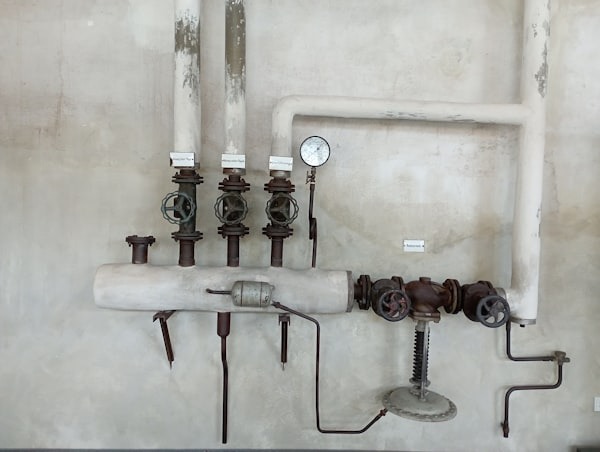
Replacing a 15 litre-per-minute shower with a 3-star WELS model at 9 litres per minute can save a four-person household about 70 kilolitres and $210 per year.
A 5-star model at 6 litres per minute lifts that to roughly 105 kilolitres and $315, depending on habits and tariffs.
WELS program reporting credits the scheme with major national savings on water and bills since 2006.
In QLD, landlords can pass on water consumption charges only if the premises are individually metered and water-efficient.
Taps and showerheads must be at a maximum of 9 litres per minute, and dual-flush toilets must average no more than 4 litres per flush.
Keep WELS receipts and manuals as proof, and state water charging clearly in the agreement.
It is illegal to supply WELS-regulated products unless they are registered and labelled.
In VIC, a licensed plumber must issue and lodge a Compliance Certificate within five business days for qualifying work.
Failure can lead to penalties, and it leaves your file exposed if a tenant disputes an urgent repair.
File certificates by address and job, and match the licence class to the scope, including gasfitting where relevant.
Plan a plumbing scope like a risk audit, not a shopping list.
Hot water: confirm age, tempering valve settings, and whether isolation valves are accessible.
Leaks: check under-sink cupboards, shower recess edges, and toilet cistern seals before you paint or re-floor.
Shut-offs: label the main stop tap and replace seized mini-stops so urgent repairs don’t become full-day call-outs.
Drainage: clear slow drains between leases, then document the condition with time-stamped photos.
Modular Add-Ons: When Off-Site Makes Sense
Modular makes sense when the site can support it and the extra rent is worth the approvals and service connections.
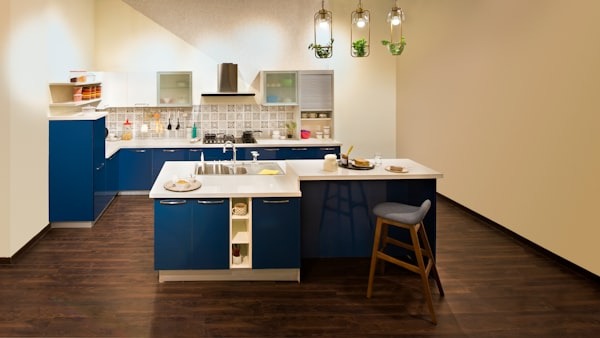
Use-cases that can pencil for rentals include a micro-studio or granny flat, a home-office pod, a laundry or bathroom module, or replacing dilapidated outbuildings to unlock dual income where zoning permits.
The Australian Building Codes Board notes that prefabricated and modular homes can be up to 50 percent faster to construct, with cost reductions compared with traditional methods in the right conditions.
In Brisbane, engage a licensed building certifier, secure building approval, and coordinate the required inspections.
Brisbane City Council requires certifiers to lodge building certification documents within five working days of associated work.
Pre-plan sewer connection points, stormwater discharge, electrical sub-mains, crane access, and hot-water selection so the module lands on a site that is genuinely ready.
Even if you are not changing layouts, treat plumbing call-outs like a project: confirm access, agree scope, and document the work. That discipline protects your compliance file and prevents urgent leaks from derailing marketing dates or handovers.
Plumbing services
When plumbing is on the critical path, speed matters as much as workmanship. Quick Compliance Certificate checklist: confirm the job is notifiable, request the paperwork, and file it by address with invoices and photos. For leaks, hot-water changeovers, or scheduled upgrades in greater Melbourne, and to keep repairs fully documented, Melbourne PDS provides Melbourne plumbing services and can supply the required Compliance Certificate within five business days for qualifying works.
Where to Source and Who to Hire
The right products and contractors keep your program tight and your compliance file defensible.
Licensed Trades and Evidence
In Victoria, verify plumbers via the Building and Plumbing Commission and collect Compliance Certificates within five business days where required.
In Queensland, verify QBCC licensing, confirm the certifier’s scope and building class, and retain inspection records and final documentation.
Products and Fixtures
Use the WELS product register to confirm taps, toilets, and showerheads are compliant.
Record star ratings in your asset schedule and keep manuals for future replacements.
Standardise SKUs across your portfolio so maintenance and spare-part ordering stays simple.
Approvals and Documentation
For Brisbane modular or secondary dwellings, allow for soil tests, footing design, service connections, and final certificates that match the building class.
Build the five-day certifier lodgement window into your schedule so inspections don’t stall tenancy start dates.
How to Track Results
Track performance like an operator, not a renovator, and you will see what actually drives returns.
Measure days vacant, rent achieved versus target, maintenance tickets in the first 60 days, water-charge recoveries in QLD, and deductions captured under Division 43.
A practical ROI model is annual rent uplift plus water-charge recoveries plus avoided call-outs, minus incremental operating expenses, divided by project capital expenditure.
Store certificates, invoices, WELS proofs, photos, and plans in a single property record, then reference efficiency upgrades in marketing copy with specifics you can prove.
Make Renovations Work for You, Not Against You
Lead with compliance, then spend where it shifts rent, vacancy, or long-term risk.
Know your dates, collect your documents, and specify durable rental-grade materials that reduce callbacks.
Choose WELS-rated fixtures to cut water costs and support QLD water charging, and use modular construction when time pressure is high and yields justify the spend.
Finish upgrades before you advertise so you protect pricing power and leasing speed.
The Plumbing Code of Australia sits within Volume Three of the National Construction Code and sets technical requirements you cannot shortcut.
FAQ
These answers cover the recurring compliance and budgeting questions that most investors trip over.
Do Victorian rentals need to meet minimum standards before advertising?
Yes. From November 25, 2025, properties must meet minimum standards before they are advertised. Kitchens need a working sink with hot and cold water and a stovetop with at least two burners.
Can I charge QLD tenants for water use?
Yes, if the premises are individually metered and water-efficient. Taps and showerheads must be at or below 9 litres per minute, and dual-flush toilets must average no more than 4 litres per flush.
Do kitchens require waterproofing under the NCC?
No. Bathrooms, showers, laundries, and sanitary compartments are defined as wet areas. Kitchens are not, but splashbacks and water-resistant materials around sinks reduce damage and disputes.
What plumbing paperwork must I collect in Victoria?
A licensed plumber must issue and lodge a Compliance Certificate within five business days for qualifying work. File the certificate with your lease, insurance, and maintenance records for the address.
How fast can modular add-ons be delivered?
Off-site manufacturing with parallel site works can reduce delivery timelines by roughly 30 to 50 percent compared with traditional builds, subject to approvals and site logistics.
What tax deductions apply to rental renovations?
Capital works under Division 43 are typically claimable at 2.5 percent per year over 40 years for eligible residential construction. Second-hand plant under Division 40 is limited for residential properties purchased after July 2017, though new assets you install can be claimed.
What is a realistic mid-range kitchen budget in Australia?
Mid-range projects commonly fall the $25,000–$45,000 range, with cabinetry often accounting for 35 to 40 percent of the spend. Build a 10–15 percent contingency and lock in long-lead items early.
What approvals do Brisbane modular builds need?
You need building approval through a licensed certifier and must lodge final documentation within five working days. Depending on the building class, a certificate of occupancy or final inspection certification applies.