



Owning a home feels great at first glance. The trouble usually starts when small problems are allowed to linger, turning into big, expensive headaches that eat time, money, and peace of mind.
Skipping routine checks may seem harmless for a month or two. Over a year, small leaks, loose shingles, or a noisy HVAC unit can become budget-breaking repairs that could have been avoided with simple upkeep.
Hidden Costs Add Up Fast
The real bill for homeownership isn’t just the mortgage. A Bankrate analysis estimated that typical owners face thousands in annual costs for taxes, insurance, utilities, and routine care, which balloon when maintenance is ignored. When you punt on small fixes, you effectively choose compound interest on future repairs.
Those creeping costs show up in higher energy bills and emergency service rates. A neglected system works harder, runs less efficiently, and fails sooner. You end up paying more for the same comfort while shortening the life of major components.
Delayed maintenance raises the odds of surprise breakdowns at the worst possible times. Emergency appointments, after-hours fees, and premium parts can triple what a planned fix would have cost.
Water Damage Turns Minor Leaks Into Major Bills
Water is relentless. A tiny leak behind a wall or under flashing can soak insulation, warp wood, and invite mold before you notice stains. By the time you see it, the moisture has often spread into a wider area that requires professional remediation.
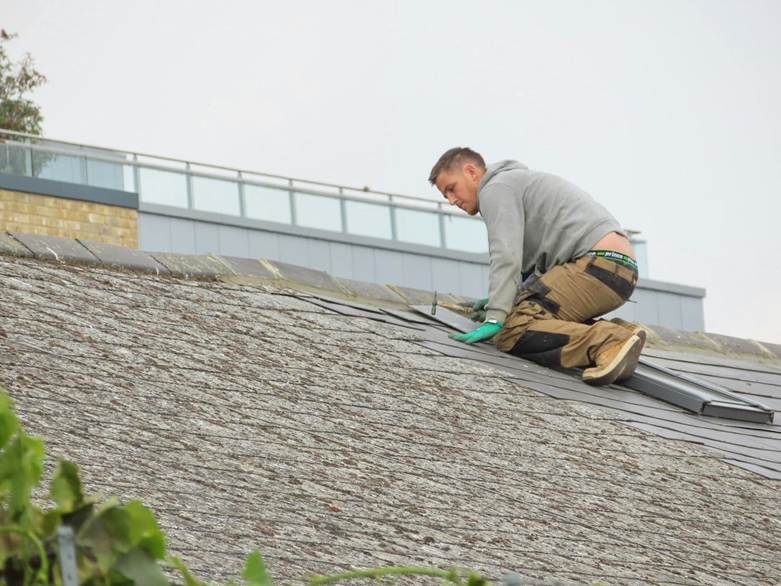
The fix is much cheaper when caught early. Call a trusted roofing contractors in Florida to inspect suspect areas, then follow their guidance to seal gaps before a storm tests your home. That kind of proactive step protects framing, drywall, and indoor air quality.
If you wait, you pay more for tear-outs, drying, and reconstruction, and you may need temporary housing. Moisture issues threaten electrical systems and can void parts of your insurance if negligence is documented.
Bigger Structural Problems
Your roof is a weather shield and a system. Missing shingles, cracked sealant, and clogged gutters create pathways for water. Left alone, these small failures saturate decking, rot rafters, and weaken fasteners.
Minor repairs and seasonal cleanups keep water flowing off and away from the house. Trimming branches, clearing valleys, and checking flashing after heavy winds are simple habits that prevent major headaches.
Once structural damage sets in, costs multiply beyond the roof line. Interior ceilings, insulation, and wall cavities need removal and replacement. A weekend of upkeep is far cheaper than a month of reconstruction.
Energy Waste Erodes Your Monthly Budget
Neglected maintenance quietly raises utility bills. Dirty filters and duct leaks force HVAC systems to run longer and cycle more, while gaps around windows and doors let conditioned air slip outside.
Inspections reveal easy wins. Replacing weatherstripping, sealing penetrations, and tuning HVAC equipment reduces runtime and extends equipment life. Over a year, those small improvements free up cash you can save or invest.
Energy waste amplifies discomfort. Rooms feel drafty in winter and stuffy in summer, tempting you to crank the thermostat. The better move is to fix the envelope and airflow so the settings work as intended.
Insurance And Resale Value Can Suffer
Insurers look for patterns. Claims tied to long-term neglect can result in higher premiums or denied coverage. Photos, adjuster notes, and prior inspection reports may demonstrate that an issue was avoidable.
Resale value depends on buyer confidence. Peeling paint, stained ceilings, and musty odors are red flags that spark deeper inspections and price reductions. Even if you fix problems right before listing, buyers may wonder what else is lurking.
A documented maintenance routine is an asset. Logs, receipts, and inspection reports reassure buyers and underwriters that systems have been cared for and are less likely to fail.
Small Habits Prevent Big Headaches
Preventive maintenance isn’t complicated. The key is consistency and a simple plan you actually follow. Focus on seasonality and the systems most likely to fail.
Quarterly: replace HVAC filters, test GFCI outlets, check for leaks under sinks
Biannually: clean gutters, inspect roof surfaces and flashing, test smoke and CO alarms
Annually: service HVAC, flush the water heater, caulk exterior gaps, review attic and crawlspace ventilation
When you find a problem, fix it while it is small. Keep a modest reserve for quick repairs and schedule larger jobs during off-peak seasons when availability is better, and prices can be lower.
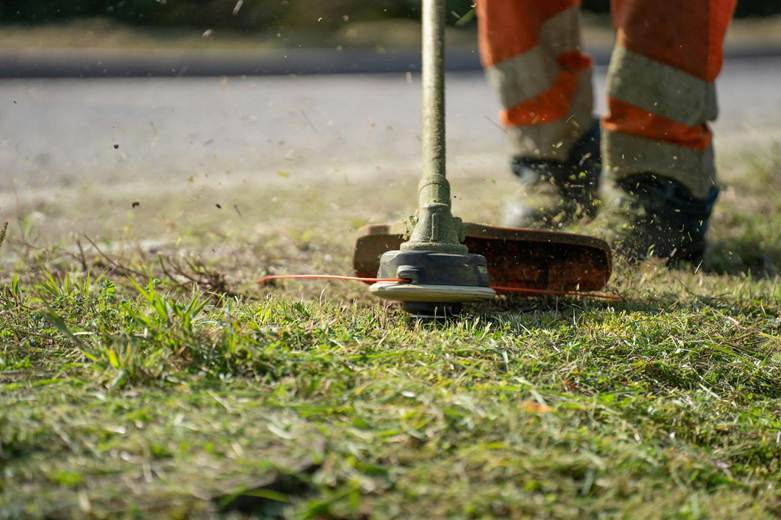
Keeping a home reliable is not about perfection. It is about paying attention, acting early, and documenting what you do. Most fixes are affordable when caught promptly.
A steady routine protects your budget, your time, and your investment. Treat maintenance like a monthly bill you gladly pay, because the alternative is always more expensive.