



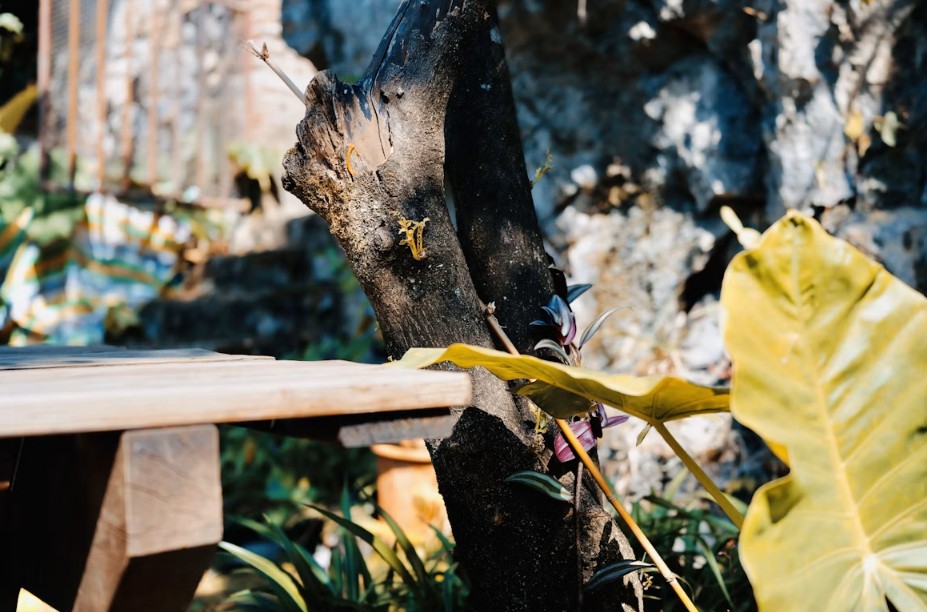
When a tree needs to be removed from a rental property, it’s usually for a good reason; it might be diseased, damaged or posing a threat to the building. As a property manager or owner, you handle the removal and breathe a sigh of relief. But the job often isn't finished. That leftover tree stump can become a bigger problem than you might expect, creating hidden risks for your tenants and your investment.
Leaving a stump behind might seem like a way to save a little money in the short term, but it can lead to costly issues down the road. It’s more than just a lawnmowing obstacle; it's a potential liability and a beacon for pests.
The Lingering Problem of Tree Stumps
After a tree is cut down, the stump and its sprawling root system remain. Unlike the rest of the tree, a stump doesn't just disappear. It begins a very slow process of decay that can take a decade or longer. During this time, it’s not just sitting there harmlessly. The decaying wood can host fungi and diseases that may spread to other healthy trees and plants on your property, compromising the overall health of your landscape. It also becomes an inconvenient and often ugly fixture in the yard.
More Than an Eyesore: Stumps as Safety Hazards
For a landlord, property safety is paramount. A tree stump, even a low-profile one, is a significant trip hazard. Children playing in the yard, tenants carrying groceries or guests walking across the lawn can easily stumble and injure themselves. A trip-and-fall incident on your property could lead to serious liability issues and potential legal headaches.
Beyond the direct safety risk, stumps make lawn maintenance a chore. Mowing and trimming around them is awkward and time-consuming, and they can even damage landscaping equipment. This creates an unkempt appearance and can frustrate both you and your tenants.
Unwanted Tenants: How Stumps Attract Pests
A decaying tree stump is an open invitation for pests. Insects like carpenter ants, beetles and termites are drawn to the soft, rotting wood as a source of food and shelter. Once a colony establishes itself in a stump just a few feet from your rental home, it’s a short journey for them to find their way into the building’s foundation, walls, or flooring, which is why stump grinding is often recommended.
A termite infestation can cause thousands of dollars in structural damage, turning a seemingly small yard issue into a massive financial burden. Removing the stump eliminates this breeding ground and helps protect your property's integrity.
The Smart Solution: What Is Stump Grinding?
So, what's the best way to deal with a leftover stump? This process doesn't involve digging up the entire massive root ball, which can tear up a large section of the yard and leave a huge hole to fill. Instead, it uses specialized equipment to shred the stump down into small wood chips, grinding it down to several inches below the soil surface.
This method is far less invasive than complete stump removal. You can learn more about how stump grinders work to see how the machinery quickly turns a solid stump into manageable mulch. You can use the resulting wood chips as natural mulch in garden beds or simply fill the shallow hole where the stump used to be, allowing grass to grow over the top. The result is a smooth, level lawn with no trace of the former tree.
Beyond Safety: Improving Curb Appeal and Maintenance
Removing a stump does more than eliminate a hazard. It immediately improves the property's curb appeal, creating a cleaner and more attractive outdoor space that can help you attract and retain quality tenants. A clear, open yard is a more usable amenity for residents, giving them space for recreation and enjoyment. Treating stump removal as an effective landscape management practice is a smart move. Once the stump is gone, lawn care becomes simpler and faster, saving time and effort for you or your landscaping crew.
Taking care of a tree stump isn't just a cosmetic fix; it’s a proactive step in responsible property management. By addressing the problem head-on, you protect your property from pests, reduce your liability and create a safer, more appealing environment for your tenants.