



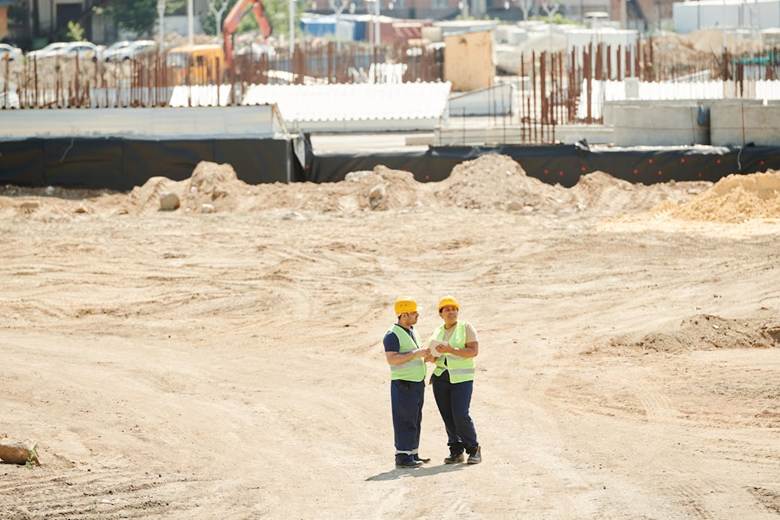
Construction projects often begin with drawings, schedules, and cost estimates, yet the physical reality of the land can lag behind those initial plans. Property boundaries define what can be built, where work can happen, and how teams move across a site. Ignoring this reality at the start creates friction later, usually during moments where changes feel costly and time sensitive.
Growth-driven development has increased pressure to move quickly, particularly in places like Texas, where land parcels vary widely in size, history, and documentation. Rapid timelines and layered regulations make early boundary awareness a planning necessity rather than a formality. Treating property lines as the starting point shapes decisions around layout, access, and compliance long before construction activity begins.
Accurate Measurements
Accurate site measurements guide every planning decision. Dimensions influence building placement, circulation paths, utility planning, and staging areas. Inaccurate measurements introduce risk at the very beginning of a project, since design assumptions rely on those figures. Once plans move forward, correcting measurement errors becomes disruptive and costly.
Early involvement from a land surveyor in Texas brings clarity before design work gains momentum. Texas properties often include irregular shapes, historic divisions, or layered records that require professional verification. Survey input supports confidence in planning decisions, allowing teams to proceed with layouts that reflect legal and physical realities rather than estimates.
Boundary Verification
The verification step confirms where legal ownership begins and ends before layout concepts take shape. Deeds, plats, and recorded descriptions do not always align perfectly with physical markers on the ground. Verification resolves discrepancies early, preventing later revisions that interrupt design and approval processes.
Layout concepts developed without verified boundaries often require revision. Adjusting plans after the discovery of boundary issues affects timelines and coordination across teams. Verification supports smoother collaboration between designers, engineers, and planners by establishing clear limits before creative decisions move forward.
Setback Planning
Setback requirements influence how much usable space exists within a parcel. Local regulations define minimum distances between structures and property lines, which shape building placement and massing. Early consideration of setbacks helps planners understand real constraints rather than theoretical lot size.
Ignoring setbacks during early planning invites redesign later. Setback awareness supports efficient use of space and reduces friction during permit review. Integrating those limits early aligns design intent with regulatory expectations, keeping planning grounded in local requirements.
Easement Limits
Easements create restrictions that affect access, construction activity, and long-term use. Utility easements, shared driveways, and access corridors impose conditions that planning must respect. Early identification of easements prevents conflicts during site preparation and construction.
Planning around easements protects access rights and avoids interference with shared infrastructure. Construction activity that overlooks easement limits can trigger delays or disputes. Clear awareness supports realistic planning for access routes, equipment placement, and permanent improvements.
Encroachment Risk
Risk of encroachment arises when structures, fencing, or grading cross property lines unintentionally. Timely planning reviews help identify potential conflicts before construction begins. Recognizing proximity issues early allows adjustments without disruption.
Pre-planning evaluation reduces legal exposure and neighbor disputes. Encroachment issues often surface after work begins, creating tension and costly corrections.
Excavation Guidance
Boundary markers play a practical role once site work begins. Excavation crews rely on clear reference points to understand where digging activity should stop and where caution is required. Early planning that accounts for boundary markers helps prevent overreach during grading, trenching, and foundation preparation.
Clear limits reduce confusion on active sites. Operators and supervisors work with confidence once legal boundaries translate into visible guidance. Planning that integrates boundary markers supports safer excavation activity and reduces the chance of corrective work later in the build process.
Topography Alignment
Land contours interact closely with property lines. Slopes, elevation changes, and drainage patterns often follow boundaries rather than design preferences. Early planning that studies topography alongside property limits creates realistic expectations for grading and layout decisions.
Adjustments made at this stage support stability and drainage planning. Ignoring how land shape interacts with boundaries can introduce complications during site preparation. Thoughtful alignment between topography and property limits supports smoother construction activity and long-term site performance.
Neighbor Considerations
Adjacent properties influence planning even before construction begins. Access routes, shared boundaries, and proximity to existing structures shape how work proceeds. Awareness of neighboring conditions helps teams anticipate challenges related to noise, access, and safety.
Planning with neighboring properties in mind supports cooperation rather than conflict. Clear boundary understanding reduces misunderstandings and helps maintain positive relationships. Projects that respect adjacent land during planning often avoid disputes that disrupt progress later.
Permit Support
Permitting processes rely heavily on accurate boundary information. Site plans, setback compliance, and access documentation depend on clear property limits. Early boundary clarity supports complete and accurate submissions during permit review.
Incomplete or incorrect boundary information can slow approvals. Planning that integrates verified boundaries reduces back and forth with reviewing authorities. Clear documentation supports confidence during inspections and keeps approval timelines aligned with construction schedules.
Staging Strategy
Construction staging requires space for materials, equipment, and movement. Planning staging areas around parcel edges helps teams stay within legal limits while maintaining efficiency. Early staging strategy accounts for boundaries rather than reacting to them after work begins.
Defined parcel limits guide storage placement and traffic flow. Planning that respects boundaries supports organized sites and reduces disruption. Clear staging plans help crews operate smoothly without risking boundary violations during daily activity.
Property boundaries influence every stage of construction planning. A thorough understanding at the start supports design accuracy, regulatory alignment, and site coordination. Projects grounded in boundary awareness move forward with fewer interruptions and clearer direction. Treating property lines as a starting point brings structure to planning decisions.





