



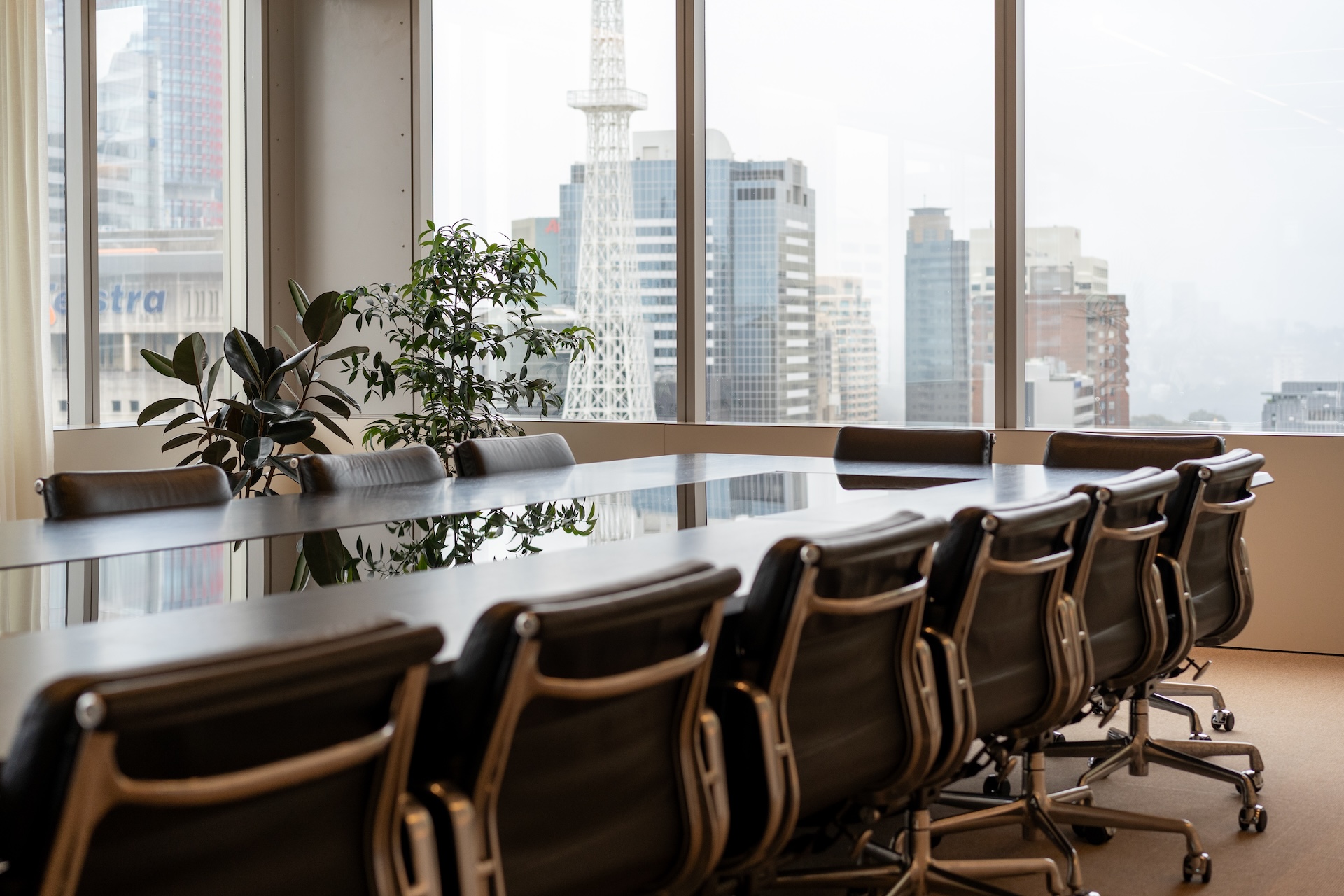
Office leasing costs in Sydney can vary dramatically from one building to the next. Two offices with the same floor area can attract very different rents once location, building quality, and outgoings are taken into account. For businesses searching for office lease Sydney, knowing what actually drives pricing helps avoid surprises and supports better lease decisions.
Office costs are not just about the headline rent. Outgoings, incentives, and building features all shape the true cost of occupying a space.
Location Within Sydney
Location is the single biggest factor influencing office lease prices. Sydney is not one uniform market. Each precinct carries its own pricing profile based on demand, accessibility, and prestige.
The Sydney CBD typically commands the highest rents due to proximity to major corporates, financial institutions, and government offices. Premium buildings in core CBD locations attract top-tier pricing.
Areas like North Sydney, Parramatta, and inner-city suburbs offer strong alternatives. These locations often provide lower rents while still delivering excellent transport links and professional environments.
Businesses often weigh client access and staff commute times when deciding how much location premium they are willing to pay.
Building Grade and Quality
Office buildings are commonly classified as Premium, A-grade, B-grade, or C-grade. This classification has a direct impact on rent.
Premium and A-grade buildings feature modern design, high-quality lobbies, advanced building systems, and strong sustainability ratings. These buildings attract higher rents due to comfort, image, and efficiency.
B-grade buildings usually offer good functionality at more moderate pricing. They suit businesses that want professional space without paying top-tier rates. C-grade buildings are typically older and more basic, which is reflected in lower rents but potentially higher ongoing maintenance costs.
Building quality also influences outgoings, which can be higher in older buildings due to inefficiencies.
Size and Floor Configuration
The size of the office space and how it is configured plays a role in pricing. Larger floor plates often attract lower rent per square metre compared to smaller suites, as landlords value longer-term, higher-volume tenants.
However, smaller offices can be more expensive on a per-square-metre basis due to demand from startups, professional firms, and small teams seeking flexibility.
Column placement, ceiling height, and natural light also affect value. Offices with efficient layouts and good light are often leased faster and at higher rates.
Lease Term and Flexibility
Lease length has a strong influence on pricing and incentives. Longer leases often attract lower base rent or higher incentives because they provide landlords with income security.
Shorter leases or flexible arrangements typically come with higher rents. This premium reflects the added risk and turnover costs for landlords.
For businesses uncertain about future growth, paying slightly more for flexibility may be worthwhile. Others may prefer locking in longer terms to stabilise costs.
Fitout Condition and Responsibility
Whether an office is fitted or unfitted affects both rent and upfront costs. Fully fitted offices are move-in ready, which can justify higher rent due to convenience and reduced setup expense.
Unfitted or partially fitted spaces often have lower rent but require capital investment for design and construction. Landlords may contribute to fitout through incentives, but this varies widely.
The age and quality of an existing fitout also matters. A modern, functional fitout adds value, while outdated layouts may need modification even if the rent looks attractive.
What Are Office Outgoings?
Outgoings are costs charged by the landlord to cover building operating expenses. These are usually paid in addition to base rent and can form a significant part of total occupancy cost.
Common outgoings include council rates, land tax, building insurance, cleaning of common areas, security, and maintenance of lifts and air conditioning systems.
Outgoings vary depending on building age, size, and services. Premium buildings often have higher outgoings due to advanced systems and amenities, while older buildings may have unpredictable maintenance costs.
Gross vs Net Leases
Office leases in Sydney are usually structured as either gross or net.
In a gross lease, outgoings are included in the rent. This provides cost certainty but may come at a higher headline rate.
In a net lease, rent is charged separately from outgoings. This can appear cheaper upfront but requires careful review of outgoing estimates. Increases in costs are often passed on to tenants.
Understanding the lease structure is critical when comparing options.
Market Conditions and Timing
Office lease pricing is influenced by broader market conditions. Vacancy rates, new developments, and economic factors all play a role.
During periods of high vacancy, landlords may offer lower rents or generous incentives. In tighter markets, pricing strengthens and incentives reduce.
Timing your lease negotiation well can lead to significant savings over the life of the lease.
Incentives and Rent-Free Periods
Incentives are commonly offered in Sydney office leases and can materially affect total cost. These may include rent-free periods, fitout contributions, or reduced rent in early years.
Incentives are often linked to lease length and tenant quality. Longer commitments typically attract stronger offers.
Looking only at headline rent without factoring incentives can be misleading. The effective rent over the full lease term is the more accurate comparison.
How Businesses Should Assess True Cost
To accurately assess office lease Sydney prices, businesses need to consider rent, outgoings, incentives, fitout costs, and lease flexibility together.
A lower rent does not always mean lower cost if outgoings are high or major fitout work is required. Likewise, a higher rent may offer better value if it includes services and flexibility that reduce other expenses.
Professional advice can help interpret lease terms and compare options on a like-for-like basis.
Final Thoughts on Office Lease Costs in Sydney
Office lease pricing in Sydney is shaped by location, building quality, lease terms, and operating costs. Businesses can make informed decisions and prevent unexpected budget issues by clearly understanding the relationship between rent and outgoings.