



I recently scrolled through a rental listing in Western Sydney. The property itself was fine, three bedrooms, decent layout, reasonable rent. But the front yard was bare dirt, the porch light was dead, and the letterbox was rusted shut.
It sat vacant for six weeks. The landlord spent a single weekend on mulch, a new LED sconce, fresh street numbers, and a potted westringia by the door. The next round of listing photos pulled triple the enquiries, and the place leased in nine days.
That’s curb appeal doing exactly what it should.
Tenants shortlist from photos first. A tidy exterior, working lighting, and a clear sense of security help your listing stand out before inspections start.
Focus on upgrades that photograph well, survive tenant turnover, and reduce callouts, then measure the result in enquiries and vacancy days.
What Is Rental Property Curb Appeal (and Why Is It Different for Rentals)?
Curb appeal for rentals is the visual and safety impression created by the street view and your first three listing photos.
Owner-occupied homes can carry high-maintenance gardens because someone’s on-site daily. Rentals need finishes that cope with minimal watering, tenant turnover, and inconsistent upkeep.
Australian conditions add constraints. Water restrictions, heat, strata by-laws, and bushfire ratings in some LGAs all shape plant and material choices. Pick species suited to your local climate zone to avoid costly replacements.
Three Big Benefits of Rental Curb Appeal and Security Upgrades
Small exterior improvements can reduce vacancy risk because they lift perceived value and remove doubts about safety and maintenance.
1. More Qualified Enquiries and Shorter Vacancy
Better presentation improves click-through on portal listings. Renters decide fast, so photo-first upgrades pay off immediately. A tidy entry, working warm LED lighting for a twilight shot, and one healthy pot plant can turn a scroll-past into an enquiry.
2. Lower Ongoing Costs
Mulch plus hardy plants plus drip irrigation cuts watering and reduces garden “rescue” jobs. LEDs reduce energy use and replacement frequency compared with older halogens. Fewer callouts for dead gardens or blown globes means less spend between tenancies.
3. A Safer Property With Fewer Incidents
CPTED, Crime Prevention Through Environmental Design, uses light, sightlines, and access control to reduce opportunities for crime. Keep hedges below one metre, lift tree canopies above 2.5 metres, light paths and entries, and maintain locks to your state’s requirements.
Statement Plant Styling Tip (Fast Photo Upgrade)
A single statement plant can add colour and softness to photos without committing to garden beds.
If you want a camera-ready option for an entry or balcony, choose a healthy indoor plant in a stable, heavy pot. Prioritise species that tolerate inconsistent watering and bright shade near the door.
When timing is tight before a photo shoot, delivery can help you avoid last-minute nursery runs and keep the entry styling consistent with the rest of the exterior. It also lets you add one on-trend colour accent that reads clearly in wide-angle photos without installing anything permanent. Nursery2U is one option Australian landlords use to shop pink princess philodendron plants as a temporary styling accent that’s easy to swap between tenancies.
What to Upgrade Outdoors: A Step-by-Step Checklist
Work from the camera’s viewpoint first, then the tenant’s daily path, then the perimeter.
Entryway Upgrades That Photograph Well
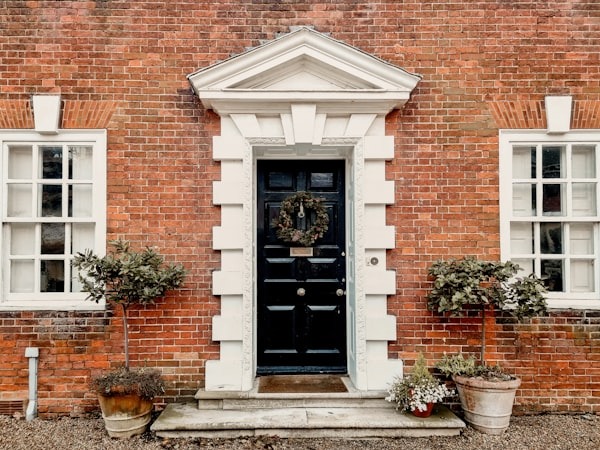
The door area sells the first impression online. Clean or paint the front door, replace tired hardware, and install a warm-white LED wall sconce at 3000–3500 K. Add modern 150–200 mm street numbers, refresh the doormat, and keep bins and hoses out of frame. Check the threshold is even, slip-resistant, and lit.
Paths, Edges, and Beds (Weekend Refresh)
Clean lines photograph well and reduce trip risks. Re-edge lawn and garden borders, top-dress beds with 7–10 cm of mulch, and pressure-wash paths and driveways. Fix lifting pavers, cracked steps, and drainage points that turn into muddy patches.
Low-Maintenance Plant Palette for Australian Climates
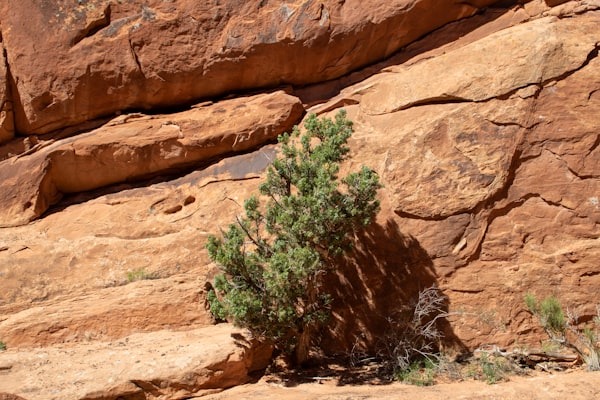
Choose hardy, water-wise species that keep their shape with basic pruning. Coastal and temperate zones suit lomandra, westringia, and dianella. Subtropical areas suit lilly pilly hedges and mondo grass. Cooler zones suit correa, grevillea cultivars, and dwarf acacia.
A simple pattern works across most homes: two evergreen shrubs at the entry, clumping grasses for texture, and one taller screening plant near the fence line. Avoid plants that drop heavy leaf litter onto paths and gutters.
Irrigation and Water-Wise Setup
Automate light watering with drip line on a pressure regulator and a basic timer. Water early morning, mulch 7–10 cm deep, and add a rain sensor if the system supports it. Where possible, choose Smart Approved WaterMark products for fittings and timers.
Perimeter Security and Lighting (CPTED in Practice)
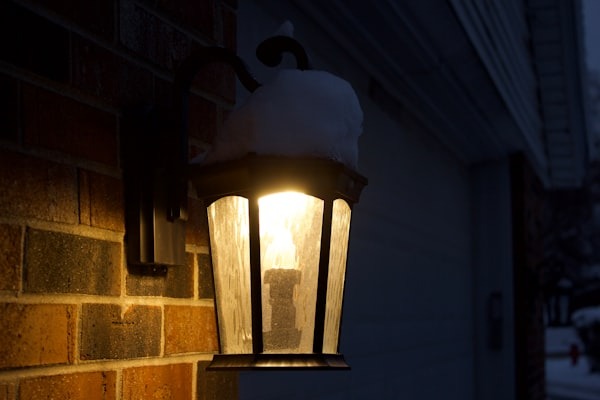
Layer lighting, visibility, and locks. Install warm LED sconces at entries and motion-activated floods to cover driveways, side gates, and bin areas. Use photo-sensor path lights to guide movement after dark and reduce falls.
Maintain locks and provide keys or fobs to every tenant named on the lease. If cameras operate in shared or common areas, notify occupants clearly and follow state surveillance laws and privacy guidance.
Spend Where It Matters: Budget Tiers and Sequencing
Spend in tiers so each dollar shows in photos and reduces maintenance after the lease starts.
Under $500 (DIY weekend): Replace street numbers, free up the letterbox, mulch the front bed, swap globes to LED, prune to clean sightlines, add a new mat, and clean paths.
$500–$2,500: Add drip irrigation and a timer, patch muddy entry points with compact paving, buy two quality pots with hardy plants, install motion floods, and repair loose fencing and gates. If you add an entry camera, disclose it and position it away from private areas.
$2,500–$10,000: Redesign a small courtyard with low-water planting, gravel, and edging that stays neat. Extend path lighting, repaint the facade, and replace a failing front fence with a self-closer. Check strata rules and council requirements before changing boundaries or electrics.
Get two quotes for any electrical or drainage work and ask for fixture specs in writing. Overcapitalising usually happens when the design is prettier than it is maintainable.
When to DIY vs. Hire Pros
DIY is fine for cosmetic clean-ups, pruning, and simple mulch-and-plant refreshes. Hire licensed trades for electrical, drainage, and any work where compliance, safety, or strata approvals could create bigger costs later.
Sydney Courtyard Garden Design Support
Specialist help can prevent expensive rework when strata rules, shade, or tight access makes “DIY landscaping” fail on the first hot week.
If your investment property is in Greater Sydney and you want a drought-tolerant, strata-friendly plan that tenants can realistically maintain, a local designer can map plant choice, drainage, and access routes before you spend on paving or irrigation, especially on compact blocks where mistakes are expensive to undo. Succulent Designs Sydney is one example if you need garden design Sydney for concept-to-install support on low-water courtyards.
How to Photograph and List for Maximum Impact
Good work won’t lease faster if the photos don’t show it clearly.
Shoot a straight-on hero image, a 45-degree angle, and a dusk shot with all exterior lights on. Hide bins and hoses, sweep leaves, and lightly wet hard surfaces to deepen colour and reduce dust.
In listing copy, lead with outdoor value tenants use: secure entry, low-maintenance garden, safe path lighting, and easy parking. If the property is pet-friendly, state it and show an enclosed area in photos.
How to Track the Impact: A Simple KPI Framework
Measure results like a marketer so you can justify spend and repeat what works.
Before upgrades, record your baseline: weekly rent achieved, days on market, listing views, enquiry count, and inspection attendance for the last campaign. Also note maintenance spend tied to garden recovery and exterior lighting.
After upgrades, compare the same metrics in the next leasing cycle. Use REA or Domain dashboards, a simple spreadsheet by address, and a dated photo library so you can link outcomes to specific changes.
Compliance Snapshot for Australia
Compliance keeps upgrades from turning into disputes, especially when you add locks, lights, or cameras.
Locks and keys: Landlords must provide and maintain locks so the premises are reasonably secure. Provide keys or fobs to each tenant named on the agreement, and document key handover.
Cameras and privacy: Notify occupants where cameras operate, avoid private areas, and store footage securely. State surveillance laws and strata by-laws can apply to common property and shared driveways.
Lighting: Prefer LEDs for efficiency and longevity. Aim fixtures at access routes, not bedroom windows, and avoid obtrusive spill into neighbouring yards.
Make First Impressions Do the Work
A neat, well-lit exterior reduces tenant hesitation because it signals care, safety, and manageable upkeep.
Start with the entry photo, fix lighting, define the path, and simplify the garden. Then track views, enquiries, and vacancy days through the next campaign to confirm what moved the needle.
Wide-Area Camera Options for Rural Rentals
Large blocks need security that works beyond the range of a home router.
For rural and acreage rentals where gates, sheds, and long driveways sit outside Wi‑Fi range, you need coverage that keeps recording through heat, dust, and distance. Solar power and 4G backhaul can extend surveillance beyond the router without trenching cable. Pros Choice offers solar and 4G options in their farm cameras range, which can help cover wide approaches when installed and signposted correctly.
Keep cameras focused on access points, not living areas, and store footage securely. Clear signage reduces disputes and improves deterrence.
Set Up Maintenance Tenants Will Actually Follow
The easiest way to protect curb appeal is to remove guesswork for tenants and agents.
Leave a one-page “outside care” sheet at the property with three items only: bin day storage location, watering instructions, and what to report. For example, “drip timer is set for 6:00 am every second day, don’t change it, report leaks or broken emitters.”
Choose materials that tolerate missed weeks. Gravel, defined edging, and slow-growing shrubs keep their shape longer than thirsty lawns and fast hedges. If you use pots, pick matching sizes so replacements don’t look random in the next photo set.
Ask your property manager to add two exterior checks to routine inspections: working lights and gate latches. Those two items prevent a lot of late-night callouts and security complaints.
FAQ
These are the practical questions that come up when you upgrade exteriors between tenancies.
Are cameras allowed at a rental property?
In many cases, yes, but you must notify occupants, comply with state surveillance laws, and avoid areas with a reasonable expectation of privacy. Strata or shared spaces can require additional approvals.
Do I need to give tenants new keys if I change locks?
Yes. Each tenant named on the agreement must receive keys or opening devices, and the property must remain reasonably secure under state tenancy rules.
What outdoor lights should I choose?
Use warm-white LEDs for entries and paths, plus motion-activated floods for driveways and side access. LEDs typically use far less energy than halogens and reduce replacement callouts.
How can I reduce garden water use without losing appeal?
Use drought-tolerant plants, install drip irrigation on a timer, water in cooler hours, and apply 7–10 cm of mulch. Mulch also improves photos by giving beds a clean, consistent finish.





