



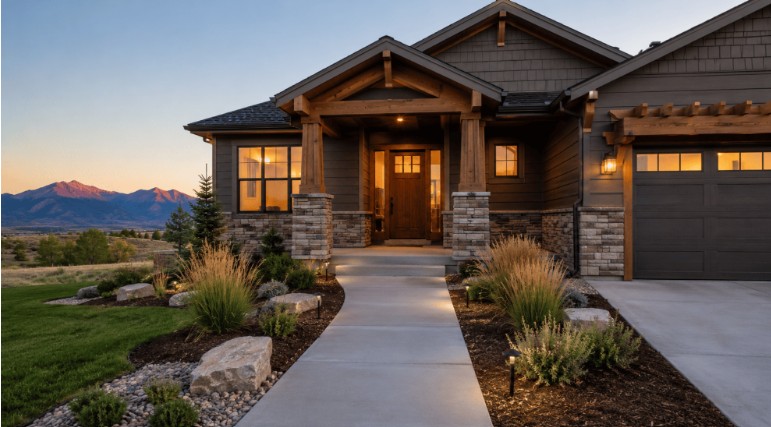
Introduction
Homeowners often focus heavily on interior upgrades while overlooking the importance of exterior improvements. Yet the outside of a property plays a major role in appearance, safety, convenience, and long term maintenance. Thoughtful outdoor upgrades can improve how a home functions every day while also increasing overall property value.
Concrete remains one of the most practical materials for exterior projects because it combines durability with design flexibility. From patios and sidewalks to driveways and decorative surfaces, concrete offers homeowners a dependable solution that performs well in a variety of weather conditions while maintaining a clean and professional appearance.
Choosing professionals experienced with concrete Fort Collins Colorado projects helps ensure the finished work is built to last. Proper site preparation, drainage planning, and installation techniques all contribute to the strength and longevity of outdoor concrete surfaces.
This article explores several exterior improvements that can make residential properties more functional, attractive, and easier to maintain over time.
Why Exterior Improvements Have Long Term Benefits
Outdoor upgrades do more than improve curb appeal. They affect how homeowners use and maintain their property every day.
Many exterior projects help solve practical issues such as:
Poor drainage
Uneven walking surfaces
Limited outdoor seating areas
Erosion around the home
Aging driveways
Unsafe sidewalks
Concrete is especially effective for these improvements because of its long lifespan and relatively low maintenance requirements.
Unlike some materials that require frequent staining, repairs, or replacement, concrete surfaces can often last for decades when installed correctly. This makes it a cost effective option for homeowners looking for reliable long term improvements.
Another major benefit is design flexibility. Modern concrete finishing techniques allow homeowners to customize outdoor spaces with decorative textures, borders, and color treatments that fit the overall style of the home.
Well planned exterior upgrades also help properties age better over time. Functional walkways, stable patios, and properly graded driveways can help reduce future maintenance concerns while improving usability around the property.
Driveways That Improve Everyday Convenience
Driveways experience constant vehicle traffic and weather exposure throughout the year. Over time, cracking, settling, and surface wear can make a driveway both unattractive and less functional.
Replacing or upgrading an aging driveway can dramatically improve the appearance of a home while also creating a smoother and safer surface for daily use.
Modern driveway installations often include:
Reinforced concrete for durability
Decorative borders
Expanded parking space
Curved driveway layouts
Slip resistant textures
Improved drainage systems
Proper preparation is critical during driveway installation. Contractors typically focus heavily on excavation, grading, and base compaction because weak foundations can eventually lead to cracking or sinking.
Drainage also plays a major role in driveway longevity. Water accumulation beneath concrete surfaces can contribute to erosion and structural instability over time.
Many homeowners also choose decorative finishes to improve curb appeal. Stamped concrete, exposed aggregate, and colored finishes can create a more customized appearance while maintaining durability.
Compared to gravel or asphalt, concrete driveways generally provide:
Longer lifespan
Cleaner appearance
Better structural stability
Lower maintenance requirements
Improved curb appeal
A professionally installed driveway often becomes one of the most noticeable and valuable improvements on the property.
Patios That Expand Outdoor Living Space
Outdoor living spaces continue to grow in popularity as homeowners look for ways to make better use of their property.
A well designed patio creates a comfortable area for entertaining, relaxing, and spending time outdoors throughout much of the year.
Concrete patios are especially popular because they combine strength, customization, and relatively low maintenance.
Patios are commonly used for:
Outdoor dining
Fire pit seating
Family gatherings
Outdoor kitchens
Poolside lounging
Covered seating areas
One advantage of concrete patios is their flexibility in design. Contractors can create patios in many different shapes and layouts while incorporating decorative finishes that complement surrounding landscaping and architecture.
Popular decorative patio options include:
Stamped concrete
Colored finishes
Decorative scoring
Exposed aggregate
Textured surfaces
These finishes allow homeowners to achieve high end appearances without the cost associated with natural stone or premium paver systems.
Concrete patios also tend to remain more stable over time when installed correctly. Proper grading and reinforcement help reduce shifting and settling that may occur with some alternative materials.
The ability to customize size, shape, and appearance makes concrete patios one of the most versatile outdoor upgrades available to homeowners.
Walkways and Sidewalks That Improve Safety
Walkways and sidewalks often serve as the connection points between different areas of a property. When designed properly, they improve both organization and accessibility.
Concrete pathways are commonly used to connect:
Front entrances
Driveways
Patios
Gardens
Side yards
Outdoor entertainment areas
Older walkways can eventually become uneven or cracked, creating trip hazards and drainage concerns. Replacing damaged sidewalks improves safety while also creating a cleaner and more organized appearance around the home.
Concrete walkways provide several practical benefits:
Durable walking surfaces
Low maintenance requirements
Better drainage control
Cleaner appearance
Long term reliability
Decorative features can also improve visual appeal. Homeowners often choose curved pathways, textured finishes, or contrasting borders to create more attractive outdoor spaces.
Accessibility is another important consideration. Properly graded sidewalks make movement easier for residents and visitors of all ages.
Walkways also help protect landscaping by naturally guiding foot traffic through designated areas instead of across grass or planting beds.
According to the National Association of Realtors, exterior improvements that improve both usability and curb appeal remain among the most valuable residential upgrades.
Decorative Concrete That Creates a More Custom Look
Concrete no longer needs to look plain or industrial. Decorative concrete techniques allow homeowners to create customized outdoor spaces while still benefiting from the durability of concrete.
Stamped concrete is one of the most popular decorative options available today. Contractors can create patterns that resemble:
Natural stone
Slate
Brick
Tile
Wood plank surfaces
These finishes are commonly used for patios, walkways, pool decks, and driveways.
Coloring techniques provide even more customization possibilities. Concrete stains and integral coloring methods allow surfaces to complement surrounding landscaping and exterior architecture.
Some decorative upgrades include:
Contrasting borders
Multi tone finishes
Decorative scoring
Exposed aggregate textures
Specialty sealers
Slip resistant finishes
Decorative concrete also offers practical benefits. Compared to some paver systems, concrete surfaces have fewer joints where weeds may grow or shifting may occur.
Homeowners often appreciate that decorative concrete combines appearance and durability without requiring excessive upkeep.
When paired with thoughtful landscaping and outdoor lighting, decorative concrete can significantly improve the character and curb appeal of an entire property.
Why Proper Installation Is So Important
The lifespan of a concrete project depends heavily on installation quality. Even premium materials can fail prematurely if preparation and construction techniques are not handled correctly.
Professional contractors evaluate several factors before beginning installation, including:
Soil stability
Drainage patterns
Load requirements
Climate exposure
Property grading
A proper installation process typically includes:
Excavation and grading
Base compaction
Reinforcement placement
Correct concrete thickness
Expansion joint installation
Controlled finishing
Proper curing procedures
Expansion joints are especially important because they allow concrete to expand and contract naturally as temperatures change. Without proper joint placement, cracking becomes more likely.
Drainage planning is another critical factor. Poor drainage can lead to erosion beneath concrete surfaces, eventually causing settling or cracking.
Unfortunately, some installation shortcuts may not become visible until years later. Contractors who reduce preparation time or reinforcement may leave homeowners dealing with expensive repairs in the future.
Common installation problems include:
Poor base preparation
Inadequate reinforcement
Incorrect grading
Thin concrete pours
Improper curing
Rushed finishing work
Choosing experienced professionals helps homeowners avoid many of these issues while improving the overall quality and durability of the project.
The American Concrete Institute provides additional guidance regarding residential concrete installation standards and maintenance practices.
Maintenance Tips That Help Concrete Last Longer
Concrete is known for durability, but regular maintenance still helps preserve both appearance and performance over time.
Simple maintenance practices can significantly extend the lifespan of outdoor concrete surfaces.
Clean Concrete Regularly
Sweeping and occasional pressure washing help remove dirt, leaves, and debris that may contribute to staining or surface wear.
Seal Surfaces Periodically
Sealing helps protect concrete from moisture intrusion, UV exposure, oil stains, and deicing chemicals. Most surfaces benefit from resealing every few years.
Address Cracks Early
Small cracks should be repaired before they spread further or allow additional moisture penetration beneath the surface.
Monitor Water Drainage
Water should flow away from concrete whenever possible. Poor drainage can accelerate erosion and deterioration.
Use Winter Products Carefully
Some deicing chemicals may damage concrete during freeze thaw cycles. Homeowners should choose products approved for concrete surfaces.
Protect Decorative Finishes
Decorative stamped and colored concrete may require occasional resealing to preserve appearance and texture.
Consistent maintenance helps homeowners protect their investment while keeping outdoor spaces clean and attractive.
Conclusion
Outdoor improvements can significantly affect both the appearance and functionality of a residential property. Concrete continues to be one of the most practical materials for these projects because it offers durability, versatility, and long term value.
From patios and driveways to sidewalks and decorative surfaces, thoughtfully designed concrete features help homeowners create outdoor spaces that remain useful and attractive for years.
One of the biggest advantages of concrete is its ability to balance structural performance with visual customization. Homeowners can create exterior spaces that fit their lifestyle while still benefiting from reliable long term durability.
Proper planning and installation remain essential to achieving quality results. Experienced contractors understand how to prepare surfaces correctly, manage drainage, and apply finishing techniques that improve both appearance and performance.
With the right design, installation process, and maintenance routine, outdoor concrete improvements can continue adding value, convenience, and curb appeal for decades.





