



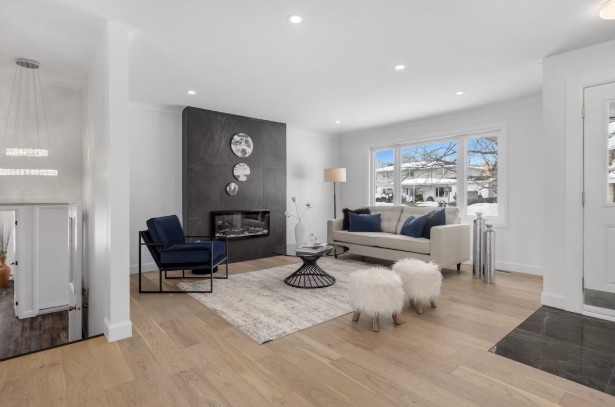
A prospective tenant or buyer often decides how they feel about a property within the first few seconds of walking through the door. That initial gut reaction is super powerful and really sets the mood for the whole visit.
A good first impression makes people more likely to overlook little flaws, while a bad one can have them looking for reasons to say no. For property owners and managers, getting that first impression just right isn't just a nice bonus; it's key to snagging a quick and profitable deal.
Why First Impressions Matter Most
You know that old saying about never getting a second chance to make a first impression? It's especially true in real estate. Even just common experience show that potential buyers or renters form a strong opinion almost instantly. This feeling actually starts before they even step inside, with the property's curb appeal. A neat lawn, a clean walkway, and a freshly painted front door all send a clear message: this place is well-cared for.
Once folks are inside, the entryway is the next important spot. A bright, welcoming, and clutter-free entrance just invites people in and makes them want to explore more. The goal is to immediately make them feel comfortable and see the possibilities. When you make a good impression, you build emotional momentum that carries through the rest of the showing, making it far more likely that your property is the one they'll remember.
Declutter and Depersonalize with Purpose
One of the best ways to get a property ready for viewing is to create what we call a blank canvas. This means clearing out clutter and taking down personal items so that prospective tenants or buyers can easily imagine themselves living there. When a space is full of personal stuff, like family photos and unique collections, it feels like someone else's home. That can actually put up a mental wall for visitors.
So, start by removing personal pictures, kids' artwork, and any decor that's really specific to one taste. Clear off kitchen and bathroom counters, leaving just a few essential or decorative items. Closets and storage areas should look neat and organized, not overflowing. An organized closet suggests there's plenty of storage space, which is always a plus. The whole point is to show off the property itself, its layout, features, and potential, not the current resident's lifestyle.
Optimizing Lighting and Ambiance
Lighting and the overall vibe can completely change how a space feels. A dark, stuffy room feels small and unwelcoming, while a bright, airy one feels spacious and inviting. Before any showing, your first step should be to let in as much natural light as possible. Open all curtains and blinds to let the sunshine stream in. Clean the windows inside and out too, so the view is clear and the light isn't blocked.
For rooms that don't get a lot of natural light, or for evening viewings, use layered artificial lighting. Turn on all overhead lights, and add floor and table lamps to brighten up dark corners and create a warm glow. Pick light bulbs that give off a warm, soft white light instead of a harsh, cool one. The ambiance also includes how a place smells. The property should smell clean and neutral. Try to avoid strong air fresheners, which can be off-putting and might make people think you're trying to hide a bad smell. A better idea is to air out the property beforehand or use a very subtle, natural scent like citrus or vanilla.
Creating Irresistible Spaces with Staging
While decluttering is about taking things away, staging is about adding the right things back in to give a space purpose and create an emotional connection. The goal of professional home staging is to really highlight the property's best features and help buyers picture a great lifestyle there. This goes beyond just having clean, empty rooms; it’s about smart furniture placement and thoughtful decor.
For example, in an empty house, a vacant room can be tough for people to figure out. Is it supposed to be a home office, a guest room, or a nursery? Staging helps define what each space is for. A well-placed armchair and lamp can create a cozy reading nook, while a small desk and chair can show off a perfect work-from-home spot. Staging helps guide the eye, improves how a room flows, and makes spaces feel bigger and more useful. It turns a generic property into a potential home.
Final Touches Before Showings
Just before a potential tenant or buyer arrives, a quick final check can make sure everything is absolutely perfect. Think of it as a last-minute checklist to ensure all your hard work really pays off.
Wipe down surfaces: Give countertops, tables, and bathroom fixtures a quick wipe to get rid of any dust or fingerprints.
Turn on all the lights: Even during the day, having all the lights on makes the place feel bright and cheerful.
Set a comfortable temperature: Adjust the thermostat so the home feels just right the moment they walk in, not too hot or too cold.
Check for odors: Do a final sniff test to make sure there are no lingering smells from cooking or pets. If needed, open a window for a few minutes to air it out.
Add a simple touch: A bowl of fresh fruit on the kitchen counter or neatly folded towels in the bathroom can add a subtle, welcoming vibe.
These small actions only take a few minutes but they really reinforce the message that the property is clean, cared for, and ready for its new occupant.
A little bit of preparation can make a huge difference in how quickly you can rent or sell a property. By focusing on creating a stellar first impression, you set your property up for success from the moment a prospect walks through the door.





