



Golf communities are often associated with experienced players, low handicaps and people who organise much of their free time around the course. In reality, their appeal can be much broader.
For many residents, the attraction lies in the social structure built around golf rather than the game itself. Clubhouses, walking paths, restaurants, organised events and shared outdoor spaces can create a strong sense of community even for people who rarely play.
That is why golf-oriented neighbourhoods often attract families, retirees, remote workers and social members alongside serious golfers. The course may be the centrepiece, but the lifestyle around it can be just as important.
Club Identity Extends Beyond the Course
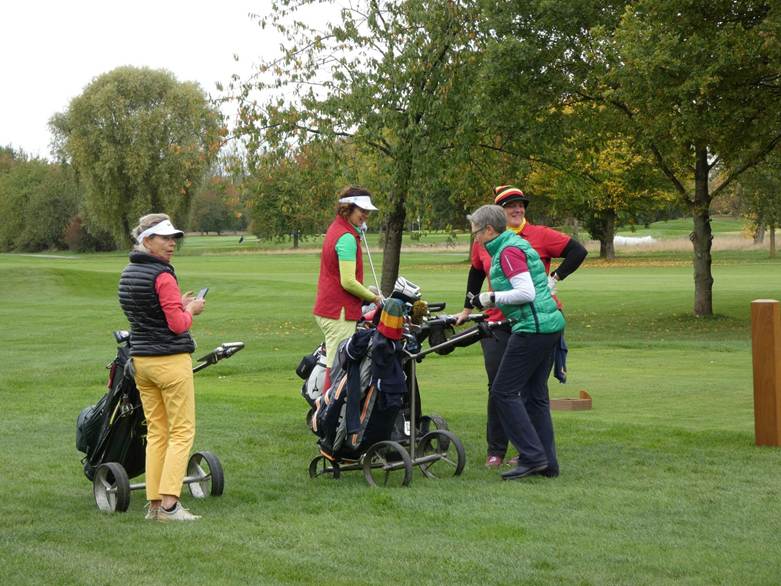
Golf communities often develop a visual identity that appears at tournaments, charity days and social events as much as during regular rounds.
Small accessories can become part of that shared identity. Items such as golf visors, for example, can be used for club events, team days or community tournaments where matching details help participants feel part of the occasion without requiring a formal uniform.
That sense of belonging matters even to casual players. Someone may only play a few times each year but still enjoy participating in events, supporting friends or being connected to the wider club culture.
The Social Calendar Can Be a Bigger Draw Than Golf
Many golf communities organise far more than competitions.
Residents may have access to dinners, seasonal events, charity fundraisers, fitness classes and informal gatherings. These activities give people regular opportunities to meet neighbours without having to organise everything themselves.
That can be especially appealing after moving somewhere new.
Instead of relying on chance encounters, residents have built-in places and occasions where conversation happens naturally. The course creates the community structure, but the relationships often develop away from the first tee.
For people who value an active social life, that can be one of the strongest reasons to choose this kind of neighbourhood.
Outdoor Space Appeals to Non-Golfers Too
Golf courses influence the wider environment around them.
Open views, landscaping and lower-density development can make the neighbourhood feel very different from a typical suburban area. Even residents who never play may appreciate having more greenery nearby.
Walking and cycling routes can add another layer of appeal where the community design supports them.
The visual effect matters too. Homes overlooking fairways or landscaped areas may feel more open than properties facing another row of houses.
Of course, access to the course itself may be restricted for safety and maintenance reasons, but the wider landscape can still shape the character of the neighbourhood.
Beginners Have a Natural Way Into the Community
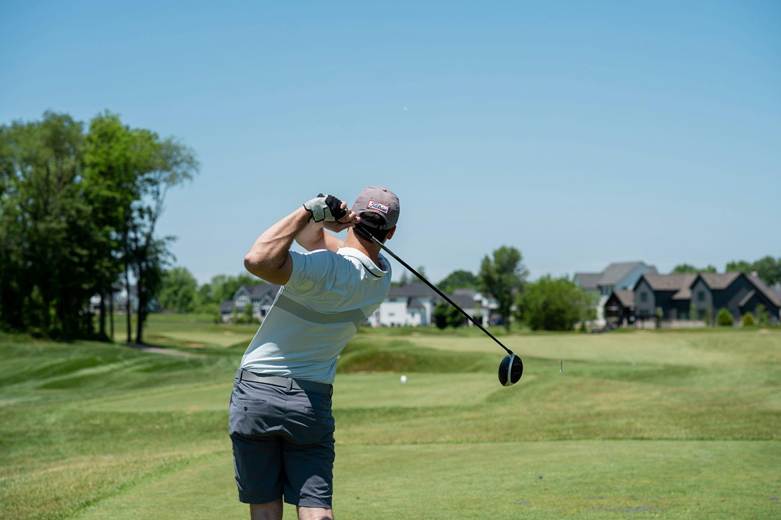
Golf can look intimidating from the outside, particularly when experienced players seem to know dozens of unwritten rules.
Living in a golf community can make starting easier.
Lessons, practice facilities and casual events may provide lower-pressure ways to learn. Residents are also more likely to know people who already play and can explain the basics.
Not everyone needs to become highly competitive.
Nine-hole rounds, social leagues and beginner events can give newer players enough involvement to enjoy the sport without structuring their entire lifestyle around it.
That accessibility helps explain why golf communities are not exclusively populated by dedicated players.
Clubhouses Function Like Shared Social Spaces
The clubhouse often plays a role similar to a neighbourhood centre.
It may include dining, meeting spaces, fitness facilities or areas where residents can gather before and after events. For non-golfers, these facilities can be more relevant than the course itself.
A convenient restaurant or social space within the community also reduces the need to travel elsewhere for every gathering.
This becomes particularly valuable for residents who work remotely or spend more time close to home.
Shared spaces create opportunities for casual interactions, which gradually make a large residential development feel more connected.
The stronger the clubhouse programme, the less the community depends on golf alone to create activity.
Families Can Find Their Own Reasons to Join In
Golf communities are not automatically designed around retirees or adults without children.
Some include family events, pools, sports facilities and junior golf programmes that create activities across different age groups.
This can make the environment appealing to parents who want organised recreation close to home.
Junior golf can also become a shared family activity rather than simply an individual sport. Parents and children may practise together or participate in events at different levels.
Even family members who have no interest in golf can still use other community facilities.
The strongest developments recognise that households rarely share exactly the same hobbies, so the wider lifestyle has to work for everyone.
The Real Attraction Is Often the Community Around the Game
Golf may provide the setting, but it does not always provide the main reason people stay.
Regular events, shared facilities, outdoor surroundings and familiar faces can create a lifestyle that appeals to residents with very different levels of interest in the sport.
That distinction matters.
A serious player may choose the community for immediate access to the course, while someone else may value the clubhouse, social calendar or neighbourhood atmosphere far more.
Both can find value in the same place.
The most successful golf communities therefore work because they offer more than golf. They turn a sport into the foundation for a broader social environment where playing is only one of many ways to participate.