



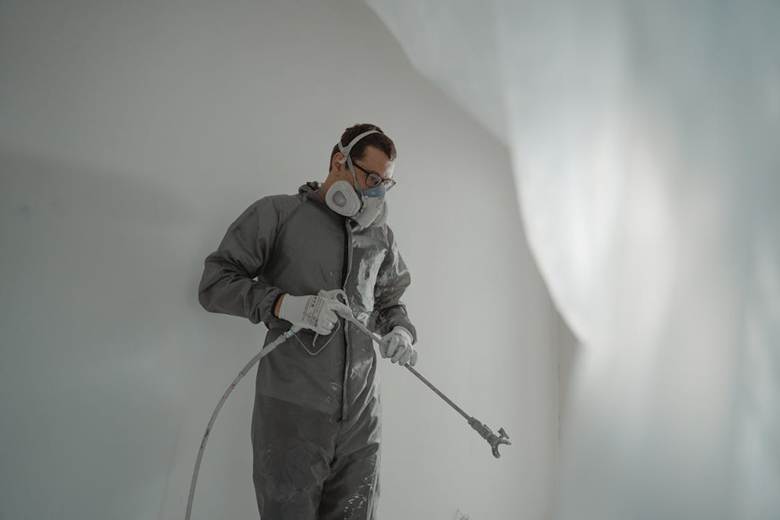
Many homeowners believe lead paint is a thing of the past, but this assumption often puts families at risk. Any home built before 1978 may still contain lead-based paint, even if it has been repainted multiple times. Lead paint does not simply disappear when covered; it remains underneath layers of newer paint and becomes dangerous when disturbed. Everyday activities like opening and closing windows, hanging pictures, or completing small renovations can release lead-contaminated dust into the air. Because lead exposure happens gradually, homeowners rarely connect health concerns back to their living environment. This makes lead paint one of the most overlooked hazards in residential properties, quietly affecting homes that otherwise appear safe and well-maintained.
The Long-Term Health Risks Most Families Never See Coming
The true danger of lead paint lies in its impact on health, especially when exposure goes unnoticed for long periods. Children are particularly vulnerable because their bodies absorb lead more easily, which can result in developmental delays, learning challenges, and behavioral issues. Even low-level exposure can have permanent effects on cognitive development. Adults are also at risk, as lead exposure has been linked to high blood pressure, kidney damage, fertility problems, and neurological issues. What makes this even more concerning is that symptoms often appear slowly and may be mistaken for unrelated health problems. Without proper lead paint testing, families may live for years in an environment that is actively harming their health without ever realizing the source.
How Lead Paint Testing Protects Your Home and Your Future
Investing in lead paint testing is one of the most responsible decisions a homeowner can make. Testing provides clear answers about whether lead is present and identifies specific areas of concern within the home. This knowledge allows homeowners to take appropriate action, whether that means safely managing the paint, encapsulating it, or planning renovations properly. From a financial standpoint, lead paint can also affect property value and complicate real estate transactions. Homes that have been properly tested and documented often face fewer issues during inspections and sales. Most importantly, testing offers peace of mind. Knowing your home is safe or understanding exactly what needs attention removes uncertainty and allows you to protect your family while preserving your investment.
Why Ignoring Lead Paint Is a Risk You Shouldn’t Take
The most dangerous aspect of lead paint is complacency. Because it is often hidden beneath layers of newer paint, many homeowners believe their home is safe without ever verifying it. This false sense of security can have lasting consequences. Lead paint testing is a simple, proactive step that provides peace of mind and protects everyone under your roof. Whether you are planning a renovation, buying an older home, or simply want to ensure a safe living environment, testing helps uncover hazards before they become serious problems. Taking action now can prevent health issues, safeguard your property's value, and ensure your home is truly a safe place for your family.
Lead paint remains a hidden threat in many homes, often going unnoticed until health or renovation issues arise. Taking a proactive approach allows homeowners to protect their families and investments before problems escalate. By prioritizing lead paint testing, you gain clarity, reduce long-term risk, and create a safer living environment built on informed decisions rather than assumptions.