



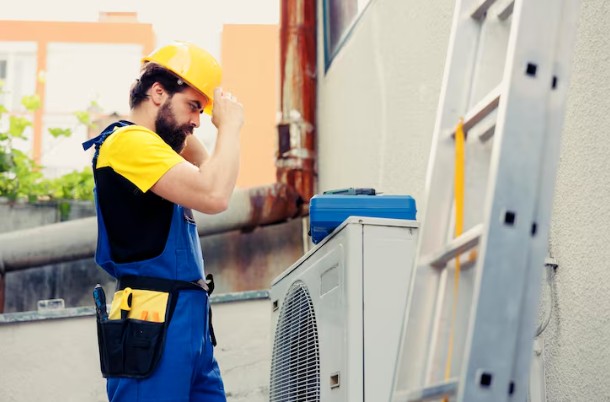
There’s always that moment when something goes wrong at home, and the first thought is, “Maybe I can fix this myself.”
A loose-looking wire. A strange sound coming from the air conditioner. A thermostat that isn't responding. A quick search online makes the repair look surprisingly simple.
Until it isn't.
HVAC systems are more complicated than they may appear from the outside. What looks like a small issue can be connected to electrical components, refrigerant, gas lines, motors, or other parts that require proper training and equipment.
DIY projects can be useful for simple maintenance, but repairs are a different story. Knowing when to stop experimenting and call a professional can save you money, prevent further damage, and, most importantly, keep your home safe.
Know When Your HVAC Problem Needs Professional Attention
Las Vegas homeowners put their HVAC systems through some serious work. Long, extremely hot summers mean air conditioners can run for extended periods, placing considerable strain on equipment. That's one reason why calling on premier air conditioning services in Las Vegas can be invaluable when a system starts behaving differently.
For example, replacing a dirty filter may solve an airflow problem. But if the system continues struggling after the filter is replaced, there could be another issue that needs professional attention.
A trained technician can check the system systematically and determine what is actually going wrong.
That's especially important when the problem involves:
Electrical connections
Refrigerant
Gas components
Motors
Compressors
Ignition systems
Blower assemblies
A few minutes of online research aren't a substitute for hands-on HVAC experience.
Professional Residential HVAC Services Can Handle More Complex Problems
Las Vegas homeowners put their HVAC systems through some serious work.
Long, extremely hot summers mean air conditioners can run for extended periods, placing considerable strain on equipment. That's one reason professional residential HVAC services in Las Vegas can be valuable when a system starts behaving differently.
A technician can inspect the equipment, identify worn components, test performance, and determine whether a repair is actually needed.
Trying to diagnose everything yourself can also lead to another problem: fixing the wrong thing.
You might replace a component that wasn't causing the issue in the first place. Worse, you could accidentally damage another part of the system.
Professional diagnosis helps avoid that cycle.
DIY Repairs Can Turn a Small Problem Into a Bigger One
One of the biggest risks of DIY HVAC repair is accidentally making the original problem worse.
Suppose your air conditioner isn't cooling properly. You assume the issue is the thermostat and start taking things apart.
But the actual problem may be restricted airflow, a refrigerant issue, a failing capacitor, or another component.
Now you've spent money on unnecessary parts and still have a broken system.
There's also the possibility of damaging expensive equipment during the process.
An HVAC system isn't something you want to experiment with when you aren't sure what you're looking at.
Electrical Components Are Not Something to Guess With
Modern HVAC systems rely on multiple electrical components to operate.
Capacitors, contactors, wiring, motors, circuit boards, and other components can carry dangerous electrical charges even when the system isn't actively running.
That makes electrical HVAC repairs particularly unsuitable for casual DIY attempts.
The U.S. Department of Energy recommends having qualified professionals handle many heating and cooling system maintenance and repair tasks, particularly those involving technical components.
If you're unsure whether a component is safe to touch, don't touch it.
Call a professional.
Refrigerant Problems Require Proper Handling
Refrigerant is another area where homeowners shouldn't try to improvise.
If an air conditioner isn't cooling properly, some people immediately assume it needs more refrigerant. But low refrigerant can indicate a leak, and simply adding refrigerant doesn't address the underlying problem.
The EPA regulates refrigerant handling and requires certification for technicians who work with certain refrigerants.
A qualified technician can locate potential leaks, check system pressures, determine what refrigerant the system requires, and handle the material according to applicable regulations.
That's very different from buying a product online and hoping it solves the problem.
You Could Accidentally Void a Warranty
Your HVAC system may still be covered by a manufacturer's warranty.
Before attempting a repair yourself, check the terms of that warranty.
Some warranties have specific requirements regarding installation, maintenance, or repairs. An unauthorized modification or repair could potentially create complications when you later need warranty service.
Professional service also gives you documentation showing that your system has been inspected or repaired by a qualified technician.
Keep those service records.
They're useful for future maintenance and can help establish the history of your equipment.
Professional Repairs Can Save You Money in the Long Run
DIY repairs often look cheaper because you're only considering the immediate cost of parts.
But there's another side to the calculation.
What happens if you install the wrong component?
What if the repair doesn't solve the problem?
What if you damage another part?
What if the system stops working completely afterward?
Now you're paying for both the original repair and the additional damage.
Professional service may cost more upfront, but proper diagnosis can prevent unnecessary parts purchases and repeated repairs.
A technician can also tell you when a repair makes sense and when an aging system may be approaching the point where replacement is worth considering.
Your HVAC System Affects More Than Comfort
When your heating or cooling system isn't working properly, the problem isn't simply that your house feels uncomfortable.
HVAC performance can also affect indoor air quality, humidity, airflow, and energy consumption.
The U.S. Department of Energy notes that heating and cooling account for a significant portion of residential energy use, making system efficiency an important part of household energy management.
A poorly functioning system may have to work harder to maintain the temperature you want.
That can mean higher energy consumption and more wear on the equipment.
Getting the problem diagnosed early can help prevent that cycle.
There Are Some HVAC Tasks You Can Handle Yourself
Professional help doesn't mean homeowners can't do anything themselves.
There are a few basic maintenance tasks that are generally reasonable for homeowners, such as keeping the area around outdoor equipment clear of debris and replacing an accessible air filter according to the manufacturer's recommendations.
You can also pay attention to changes in how your system operates.
Notice a new noise?
Write it down.
Notice weaker airflow?
Don't ignore it.
See water around the indoor unit?
Call for help.
The earlier a professional knows about a developing issue, the easier it may be to diagnose.
Know When to Put the Tools Down
DIY repairs can be tempting, especially when an online tutorial makes a complicated job look like a 20-minute project.
But HVAC systems aren't ideal places to learn through trial and error.
If the issue involves electrical components, refrigerant, gas, major mechanical parts, or anything you simply don't understand, professional help is the safer choice.
A qualified HVAC technician has the training, diagnostic equipment, replacement parts, and experience to approach the problem correctly.
Choose Professional Help When It Matters
There's nothing wrong with wanting to save money or handle simple home maintenance yourself.
The problem begins when saving a few dollars turns into a damaged HVAC system, an expensive repair, or a safety issue.
Professional HVAC service gives you something DIY repairs can't always provide: confidence that the problem has been properly diagnosed and addressed.
If your system is acting strangely, don't wait until a small issue becomes a complete breakdown. Premier HVAC Services can inspect your system, identify the problem, and provide professional repair solutions designed to keep your home comfortable and your HVAC equipment working reliably.