



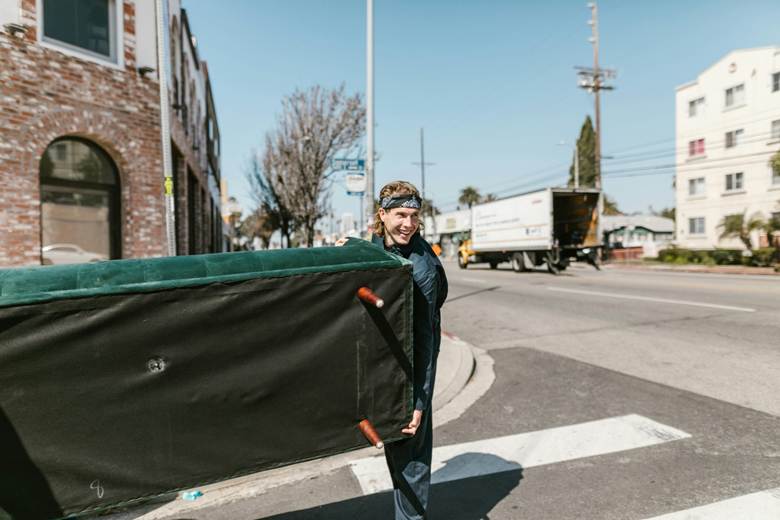
A move can change more than just your address. Many homeowners only notice problems after everything is finished. Scuffed floors, chipped paint, cracked door frames, and loose fixtures often appear once the boxes are gone. These issues are not small. They cost money, time, and effort to fix. What makes it worse is that most of this damage could have been avoided with better planning and proper handling.
From a home improvement perspective, protecting your space during relocation should be a priority, not an afterthought. A well-managed process helps preserve the condition of your home and prevents unnecessary repairs. Choosing the right help plays a major role in keeping your property safe during every step.
Experience Reduces Costly Handling Mistakes
Many home damages happen because items are handled by people without proper experience. Large furniture, fragile pieces, and tight spaces require skill and planning. When heavy items are lifted incorrectly or rushed through narrow hallways, walls, and floors often suffer. Even small mistakes can leave lasting marks. Experienced teams understand weight balance, movement control, and safe lifting methods. They know when to disassemble items and how to carry them without scraping surfaces. This experience helps protect your home and reduces the chance of damage during relocation.
Area-Based Expertise Know Their Way Around Local Home Layouts
Homes are not all built the same. Staircases, door sizes, ceiling heights, and entry points vary from one area to another. Moving teams familiar with nearby homes understand these details and plan their approach accordingly. Working with professionals who know the area makes the process more controlled. They understand common home designs, parking limits, and access challenges. This allows them to prepare ahead of time and reduce rushed decisions that often lead to scratches, dents, and broken fixtures.
When relocating, always turn to professional local moving services. The right movers use proper tools, floor covers, and padding to reduce damage risks. This offers homeowners peace of mind that their home and belongings will be handled safely. Careful planning and trained handling help homeowners maintain their property’s condition throughout the entire move.
Proper Equipment Prevents Floor Damage
Floors are one of the most vulnerable parts of any home. Hardwood, tile, and laminate surfaces can be damaged easily when heavy items are dragged or dropped. Without the right equipment, even careful handling can leave scratches or cracks. Professional teams use dollies, sliders, and protective floor coverings to distribute weight evenly. These tools allow items to move smoothly without grinding against surfaces. Using proper equipment greatly reduces the risk of floor damage during relocation.
Wall and Doorway Protection Is Planned in Advance
Walls, door frames, and corners are common trouble spots during a move. Large furniture can scrape paint, chip drywall, or damage trim when forced through tight openings. These repairs can be costly and time-consuming. Careful planning helps prevent these issues. Skilled crews measure spaces, adjust angles, and pad furniture where needed. By planning each movement in advance, they reduce contact with walls and doorways, keeping finishes intact throughout the process.
Organized Packing Reduces Indoor Accidents
Poor packing often leads to clutter, and clutter increases the risk of accidents. Unstable boxes can tip over, while loose items can bump into walls or fixtures. This chaos makes it harder to move safely inside the home. Organized packing keeps items secure and walkways clear. Clearly labeled boxes and balanced loads allow smoother movement from room to room. This structure helps reduce sudden drops, collisions, and unnecessary damage during relocation.
Careful Handling of Heavy and Oversized Items
Large items such as sofas, cabinets, and appliances pose the highest risk to a property. Their size and weight make them difficult to control, especially on stairs or around corners. When these items are lifted without proper technique, they can damage floors, walls, and railings. Trained teams understand how to balance weight and move heavy pieces safely. They often break items down into smaller parts and use straps or equipment to maintain control. This careful handling helps protect both the home and the items being moved.
Clear Path Planning Minimizes Wear and Tear
Moving items without a clear plan leads to repeated trips and unnecessary contact with surfaces. Each extra pass increases the chance of scuffs, dents, or chipped paint. High foot traffic can also wear down floors quickly. Professional planning reduces these risks. Crews create clear paths before starting, remove obstacles, and limit movement to essential areas only. This approach keeps traffic controlled and reduces stress on the home’s surfaces during relocation.
Time Efficiency Prevents Rushed Mistakes
When a move drags on, fatigue sets in. Tired hands and rushed decisions often lead to accidents. Dropped items, poor lifting posture, and missed steps can all cause damage inside the home. Experienced teams work efficiently without rushing. They follow a structured plan and maintain a steady pace. This balance helps avoid careless mistakes while keeping the process moving forward. A shorter, well-organized timeline lowers the risk of damage from exhaustion or impatience.
Accountability Adds an Extra Layer of Protection
One major difference between professional help and casual assistance is accountability. When people are responsible for their work, they tend to handle tasks more carefully. This mindset alone reduces careless handling. Professional teams operate with clear responsibility and standards. They are trained to protect both the home and its contents. This level of accountability gives homeowners peace of mind, knowing that care and attention are built into every step of the relocation process.
Preventing Repairs Saves Money Long Term
Even small damage can lead to expensive repairs. Scratched floors may need refinishing, chipped walls require repainting, and damaged trim often needs replacement. These costs add up quickly after a move. Preventing damage is far more affordable than fixing it later. Investing in proper help reduces the risk of post-move repairs. Over time, this approach saves money and keeps the home in better condition.
Protecting your home during a move is not just about convenience. It is about preserving the value and condition of your space. From floors and walls to fixtures and layouts, every part of a home is at risk when items are handled without care. The right approach focuses on planning, experience, and responsibility. When these elements come together, damage becomes far less likely. By choosing support that prioritizes home protection, homeowners can avoid costly repairs and move forward with confidence after relocation is complete.





