



Renters in 2026 are spending most of their downtime at home using streaming services, digital reading platforms, mobile games, and subscription-based fitness programs. As remote work and rising living costs continue to influence daily routines, many renters are prioritizing affordable entertainment and activities that fit comfortably into apartment living.
In addition, the growing popularity of at-home fitness programs has led many renters to further incorporate them into their current apartment style to support their new lifestyle without having to spend much more than what they already pay in rent.
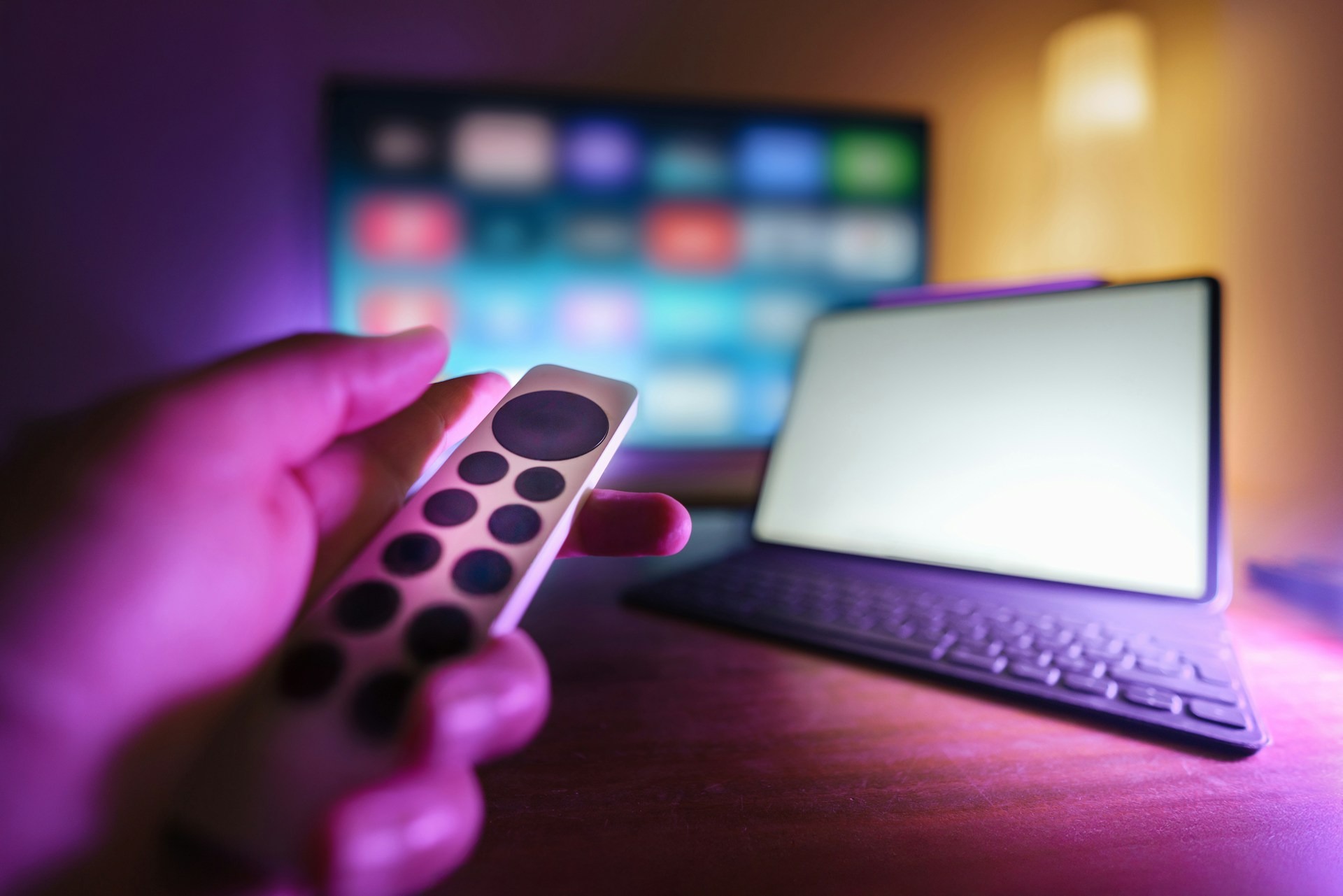
How Are Renters Spending Their Free Time at Home?
Renters today are filling their downtime with a mix of streaming entertainment, digital reading, casual gaming, and low-cost subscription hobbies. The shift is driven by both financial pressure and a genuine preference for convenience. As hybrid and remote work remain common across many industries, the home has become more than a place to sleep—it now serves as a workspace, entertainment hub, fitness area, and social environment.
That dual role has reshaped how renters think about their apartments. Comfortable downtime is no longer a bonus; it is a baseline expectation. The activities renters gravitate toward tend to share a common structure: subscription-based access, episodic content, and low friction to pick up and put down.
They matter for landlords and property managers looking to attract and retain long-term tenants. Streaming Has Replaced Traditional TV as the Default. Streaming is now the default format for at-home entertainment for most U.S. adults. In a 2025 Pew Research Center survey, 83% of U.S. adults say they use streaming services, compared to just 36% who still subscribe to cable or satellite television.
The Shift Toward Predictable Entertainment Costs
For renters, this change is more than just statistics. It represents a broader preference for flat-rate access over unpredictable per-use costs. With a single monthly subscription to a streaming platform, you get unlimited access to a vast library of content, without any additional fees or rental costs. That same pricing logic has expanded into other entertainment categories, including digital reading, gaming subscriptions, and fitness apps.
Younger renters have largely never known cable as the default entertainment option. Their media habits are built around subscription ecosystems, and they increasingly evaluate services based on overall value rather than individual purchases. This mindset continues to influence how entertainment is consumed at home.
Digital Reading and Serialized Comics Have Found a Home on the Phone
Reading has always been a consistent leisure habit, but the format has changed considerably. Where previous generations reached for a paperback or a magazine, renters today are increasingly reading on their phones through e-book apps, serialized fiction platforms, newsletters, and digital comics.
The appeal is practical. A phone is already in hand. The vertical-scroll format used by most digital comic platforms fits naturally into existing mobile browsing habits. Episodic releases also create the same "come back tomorrow" engagement cycle that drives streaming audiences to follow long-running series. For renters looking for affordable entertainment that fits into short breaks during the day, serialized digital reading is a natural fit.
Grand View Research estimates that the worldwide webtoon industry will increase at a compound annual growth rate of 27.3% from its 2023 valuation of $8.28 billion to $45.30 billion by 2030. Approximately 25% of webtoon income worldwide came from North America, demonstrating that demand extends well beyond conventional Asian markets.
Additionally, subscription-based reading services are growing in popularity since they provide fixed monthly fees rather than requiring users to buy each episode separately. Honeytoon offers subscription-based access to a curated collection of romance, drama, thriller, and supernatural manhwa in seven fully localized languages (without per-episode coin purchases).
For those interested in serial digital storytelling, there are options including manhwa about a teacher who loses control or a more extensive collection designed for mobile-first reading experiences. The popularity of these services reflects the broader trend toward convenient, subscription-based entertainment that renters are gravitating toward.
Casual Gaming Has Become Part of the Evening Routine
Gaming has settled firmly into the at-home leisure routine, particularly in its mobile and casual forms. It no longer belongs exclusively to dedicated gamers with consoles and high-end hardware. For a large share of renters, gaming means a puzzle app during lunch, a strategy game before bed, or a mobile role-playing game played in short sessions throughout the week.
What makes casual gaming especially compatible with apartment living is its flexibility. Sessions can last five minutes or two hours depending on available time. Progress saves automatically, there is little setup required, and most games can be enjoyed without dedicated space or equipment.
Developers have increasingly designed games around this behavior. Daily rewards, limited-time events, and episodic content updates encourage players to engage in brief but consistent sessions. This mirrors many of the same engagement patterns seen in streaming services and serialized digital reading.
At-Home Fitness Has Become a Permanent Habit
At-home fitness expanded rapidly out of necessity several years ago, but it has remained a significant part of renters' routines.
The financial benefits are clear. Many fitness apps cost substantially less than traditional gym memberships, making them attractive to renters managing rising living expenses. Combined with the ability to work out without commuting, at-home fitness naturally fits into schedules that already revolve around spending more time at home.
For landlords and property managers, this trend carries practical implications. Renters increasingly pay attention to factors such as floor space, ceiling height, storage options, and noise insulation when evaluating whether a home can comfortably accommodate workout routines. Apartments that support these activities may offer a stronger long-term appeal.
What This Means for Rental Properties
The habits renters build around downtime are quietly reshaping what they expect from a rental unit. Reliable high-speed internet is no longer a luxury feature, it serves as the infrastructure supporting streaming, gaming, remote work, video calls, digital reading, and connected fitness services.
Apartment layouts also matter more than they once did. A single room may need to function as a workspace during the day, an exercise area in the afternoon, and an entertainment space in the evening. Flexible floor plans, thoughtful design, and sufficient square footage can significantly improve a tenant's experience.
Closing
The way renters spend their downtime continues to evolve alongside changes in work, technology, and household budgets.
Whether it's streaming a favorite series, reading digital comics, fitting in a quick workout, or relaxing with a mobile game, today's renters are building more of their daily routines around the home.
As a result, features that support comfortable at-home living are becoming increasingly important for both tenants and property owners alike.
Frequently Asked Questions
What do renters most commonly do in their free time at home in 2026?
Streaming entertainment, mobile gaming, digital reading, and at-home fitness are among the most common leisure activities for renters. These options provide affordable entertainment, flexible schedules, and subscription-based pricing that fits modern household budgets.
Are renters spending more time at home than previous generations?
Yes. Hybrid and remote work arrangements have increased the amount of time many renters spend at home. Rising housing costs and longer average tenancy periods have also encouraged renters to invest more in creating comfortable and functional living environments.
How does at-home entertainment affect what renters look for in an apartment?
Many renters now prioritize reliable internet access, quiet surroundings, flexible layouts, and sufficient living space. These features support streaming, gaming, reading, remote work, and other activities that take place inside the home.
Why are subscription entertainment models so popular among renters?
Subscription services provide predictable monthly expenses and access to large content libraries. This affordability and convenience make them attractive alternatives to individual purchases, rentals, or higher-cost entertainment options.
What is driving the growth of digital reading among younger renters?
Smartphones have made digital reading more accessible than ever. Serialized release schedules, mobile-friendly formats, and subscription platforms encourage regular engagement, helping webtoons, e-books, and other digital content formats continue to grow in popularity.