



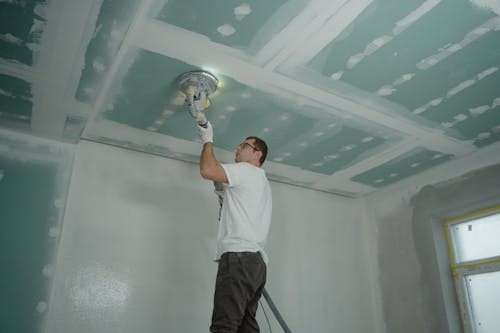
When was the last time you looked around your home and thought, I should really fix that? Maybe it's the creaky floorboard that yells every time someone sneaks into the kitchen at midnight. Or the dated ceiling fan that looks like it belongs in a 1990s sitcom. Either way, these everyday annoyances add up, quietly chipping away at how comfortable and functional your living space truly is.
Home improvements aren't just about raising property values or keeping up with Pinterest trends. They’re about making your indoor life more enjoyable, healthier, and even a little more sane.
Comfort Is the Real Luxury
In an era of hybrid work, flexible schedules, and an increasing number of people staying indoors more often—by choice or necessity—comfort has become less of a bonus and more of a baseline. Homes have shifted from crash pads to multi-functional spaces: office, gym, school, and café, all rolled into one. As that shift continues, it's clear that people are prioritizing indoor upgrades not to impress guests, but to meet their own needs.
We're no longer talking about opulent chandeliers or marble countertops. Think ergonomic chairs instead of stiff dining ones, or blackout curtains that actually block light during your midday nap. These aren’t glamorous upgrades, but they change how you move through your home—and how you feel while you do it.
Better Air, Better Mood
Let’s be honest: nobody romanticizes ventilation systems, but maybe we should. Air quality has taken center stage lately thanks to wildfire smoke, rising allergy rates, and a collective realization during the pandemic that stale indoor air makes us feel... off. As more people wake up to the health implications of poor ventilation, HVAC upgrades are becoming less of a chore and more of a health investment.
Even something like impact windows can pull double duty. While they’re primarily marketed for storm safety, they also create tighter seals against outside air and pollutants. In urban areas or allergy-prone regions, this translates into cleaner indoor air—and fewer sneezes. Factor in the added bonus of noise reduction, and suddenly your neighbor’s 7 a.m. lawn mowing sessions don’t seem as intrusive. It’s not about being fancy—it’s about being smart.
Lighting That Works for You
Lighting shapes mood more than we realize. Harsh overhead lights can make a room feel sterile, while warm, layered lighting can make the same space feel like a cozy retreat. Yet too many people rely solely on the bulbs that came with the house or apartment, assuming they have no choice in the matter.
Swapping in energy-efficient LEDs with adjustable tones, adding task lighting where needed, and even strategically using mirrors to bounce natural light around can transform a room’s vibe. With so much time spent indoors, light quality affects everything from our circadian rhythms to how well we focus during Zoom calls.
Kitchen Upgrades That Actually Help
Yes, the dream of a chef's kitchen still lives on in many hearts, but practical upgrades are making a name for themselves. A better faucet with a pull-down sprayer might not sound exciting until you're cleaning vegetables for dinner and wondering how you ever lived without it. Touchless options reduce the mess during meal prep and make life easier when your hands are covered in flour.
Even renting appliances is catching on as people look to test new kitchen tools before committing or just want a modern option without the financial leap. Whether it’s a convection oven that cooks evenly or a compact dishwasher for tight spaces, smart kitchen updates save time and reduce daily stress.
Open Layouts, Closed Stress
The open floor plan trend isn’t going anywhere, but people are adapting it. After spending too much time in multipurpose rooms during lockdowns, homeowners began to realize that sometimes you do need a door. Or at least a defined corner where the chaos of the living room doesn’t spill into your workspace.
Simple additions like room dividers, bookcases, or even cleverly placed rugs help define zones without losing the openness people love. It’s not about building walls—it’s about creating emotional boundaries in the space you live in every day.
Storage: The Unsung Hero
Storage is where home improvement meets mental health. Cluttered spaces lead to cluttered minds, and while minimalism isn’t for everyone, being able to find your favorite hoodie without tearing apart a closet shouldn’t feel like a miracle.
Installing under-bed drawers, floating shelves, or adding a pantry where there wasn’t one can bring order to the everyday. These aren’t flashy upgrades, but they change the way you relate to your stuff—and your space.
Noise Control Is Self-Care
A quiet home used to be considered a luxury. Now, it's a necessity. With everyone juggling calls, classes, and chaos under the same roof, noise has become a top complaint. Soundproofing measures like thicker curtains, acoustic panels, and yes, even upgraded doors, are slowly making their way into the mainstream conversation about home improvements.
Noise-reducing upgrades don’t just block sound—they protect peace. In a world that feels increasingly loud, being able to carve out pockets of silence is an act of modern self-preservation.
Tech That Works With, Not Against You
Smart home tech has grown up. It's no longer just about showing off voice-controlled lights at a dinner party. The best upgrades today are the ones that fade into the background, quietly making life smoother. Think smart thermostats that learn your patterns and lower your energy bill, or security cameras that sync with your phone for peace of mind.
These additions aren’t gimmicks—they’re practical improvements that help you manage your home without having to micromanage every detail. When your environment starts to anticipate your needs, daily life becomes less stressful and more seamless.
We tend to think of home upgrades as big, expensive projects reserved for weekend warriors with power tools and Pinterest boards. But the truth is, enhancing indoor living quality often comes down to small changes with outsized impacts. When your home feels better, you feel better. Your day flows easier. Your mind rests lighter.
And isn’t that what home is supposed to do?





