



A single pest sighting in a rental unit might seem like a minor inconvenience, but for landlords, it often signals something far more expensive lurking behind the walls. The hidden costs of pest infestations in rental properties go well beyond a can of spray and a service call.
From structural damage that quietly compounds over months to emergency repairs that drain budgets overnight, pest problems have a way of escalating when they're least expected.
What Pest Infestations Really Cost Landlords
The financial exposure landlords face from pest infestations spans multiple categories, from immediate property damage to long-term repair obligations. Understanding the full scope of these costs is the first step toward preventing them.
Structural and Property Damage
Termites alone cause an estimated $30 billion in damage to structures and crops across the U.S. each year. For rental property owners, that number translates into foundation repairs, replaced framing, and gutted walls that no insurance policy typically covers.
Rodents present a different but equally costly threat. They chew through electrical wiring, insulation, and plumbing lines, often in areas that aren't inspected regularly. By the time the damage surfaces, the repair bill has already multiplied.
Carpenter ants, meanwhile, target load-bearing wood from the inside out. The structural safety hazards they create can go unnoticed for months, turning a manageable problem into a code violation or liability issue.
Repair Bills That Compound Over Time
What makes pest-related property damage so financially dangerous is how quietly it builds. A single termite colony can feed on a structure for months before any visible signs appear. During that window, the damage spreads to adjacent materials and systems.
Small infestations left untreated rarely stay small. Instead, they escalate into major renovation projects costing thousands, especially when drywall, subflooring, or HVAC systems become involved.
Landlords can reduce this risk by sealing entry points, monitoring moisture levels, and scheduling regular assessments through a trusted pest control company. Catching these issues early helps ensure professional pest control becomes a preventive measure rather than a recovery effort.
Tenant Turnover, Vacancies, and Lost Rent
The financial damage from pests doesn't always show up on a repair invoice. Some of the steepest costs hit rental properties through tenant turnover, extended vacancies, and the ripple effects of a damaged reputation.
Pest complaints rank among the top reasons tenants break leases or decline to renew. Bed bugs, in particular, carry a social stigma that follows a property long after treatment. One negative review mentioning an infestation can deter prospective renters for months.
Cockroach sightings during a showing send an immediate signal of neglect. Even if the rest of the unit is well-maintained, a single roach can shift a prospect's perception entirely, pushing them toward competing listings.
Each vacancy period costs more than just lost rent. Property managers also absorb turnover expenses like deep cleaning, marketing the unit, and screening new applicants. Those costs stack quickly when multiple tenants leave over pest-related frustrations.
Beyond turnover, properties with documented pest histories often face reduced rental rates. Prospective tenants researching a building online will find complaints tied to health risks, unresolved infestations, or slow landlord responses. That trail lowers both the perceived and actual market value of the property.
Who Pays? Legal Liability in Pest Disputes
In most jurisdictions, landlords carry the legal responsibility for delivering and maintaining habitable conditions. That includes keeping rental units free from pest infestations. When disputes arise, courts tend to side with tenants unless the landlord can demonstrate the tenant's behavior directly caused the problem.
Tenants may share liability in specific situations, such as when poor sanitation or hoarding attracts pests. However, proving that connection often requires documentation, and without it, the financial burden typically falls back on the property owner.
Clear lease language makes a significant difference here. A well-drafted lease agreement that outlines owner and tenant responsibilities around pest control reduces ambiguity and limits legal exposure for both parties.
Without those clauses, disputes tend to default against the landlord, especially in states with strong tenant protection laws. The resulting legal fees and potential habitability claims can far exceed what preventive pest control would have cost in the first place.
Early Prevention That Saves Thousands
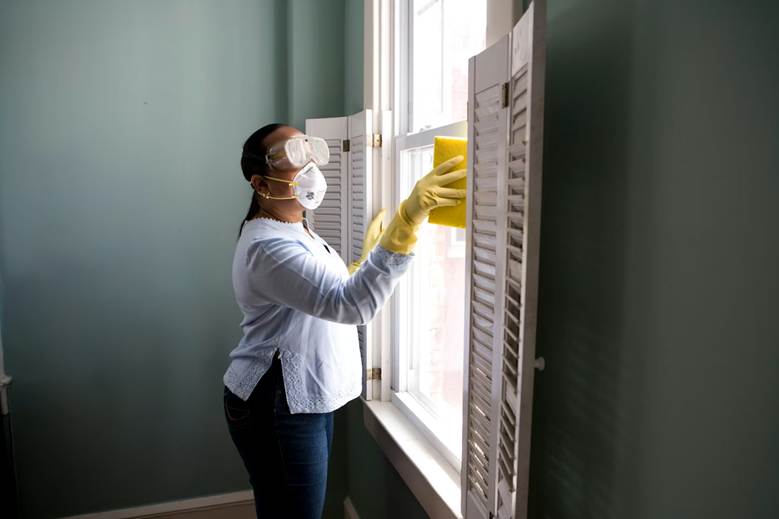
The repair bills, vacancies, and legal disputes covered so far share one thing in common: they are largely avoidable. Shifting from reactive spending to early prevention is the single most effective way landlords and property managers can protect their bottom line.
Routine Inspections and Maintenance
Seasonal routine inspections should focus on the areas pests exploit most often. Foundation cracks, utility penetrations, and roofline gaps all serve as entry points for rodents, termites, and cockroaches.
Moisture problems deserve immediate attention during every walkthrough. Standing water near foundations, leaking pipes under sinks, and condensation in crawl spaces create the exact conditions these pests need to establish colonies.
Sealing gaps around doors, windows, and pipe entries fits naturally into regular maintenance cycles. These are low-cost fixes that eliminate the access points pests rely on, and they take far less time than dealing with an infestation after it takes hold.
Why Preventive Plans Beat Reactive Treatments
Preventive pest control contracts typically cost a fraction of what a single emergency extermination runs. The math becomes even more favorable when factoring in the tenant displacement, multiple service visits, and secondary repairs that reactive treatments often require.
Integrated Pest Management takes this a step further by combining ongoing monitoring, physical prevention, and targeted treatments only when necessary. This approach minimizes both chemical use and overall spending while keeping units consistently protected.
Landlords who invest in effective pest management strategies on the front end avoid the compounding costs that turn a minor issue into a five-figure problem. Professional pest control, when structured as a preventive measure rather than an emergency response, pays for itself many times over across the life of a property.
Protecting Your Investment Starts Before the First Sign
The most expensive pest problem in any rental property is the one that goes undetected. By the time visible signs appear, the financial damage has already spread across repairs, lost tenants, and potential legal exposure.
Every dollar a landlord spends on prevention offsets potential thousands in structural fixes, vacancy losses, and dispute-related costs. The math consistently favors early action over emergency response.
Property owners who treat pest control as a recurring maintenance line item, not a surprise expense, protect both their buildings and their rental income. The infestations that never take hold are the ones that never cost a thing.





