




When the commute disappeared, the living room became the office, and every square foot started to matter. Remote work has fundamentally altered how much time Americans spend inside their homes, turning spare bedrooms into daily workspaces and backyards into midday escapes.
That shift in routine is quietly reshaping real estate decisions across the country. Homebuyers are rethinking not just the size of their next home but also its location, layout, and distance from a city center. The patterns emerging from this change tell a story that stretches from downtown high-rises to quiet suburban streets.
More Hours at Home, Different Housing Priorities
The connection between hours logged at home and housing priorities is more direct than most people realize. Remote and hybrid work schedules mean that a home is no longer just a place to sleep and eat. It has to function as a workplace, a gym, a school, and a social hub, often all within the same day.
That functional demand is showing up in buyer wishlists. Dedicated home office space, extra square footage, and usable outdoor areas have moved from "nice to have" to non-negotiable for many households. The shift is especially visible in states where residents already spend a large portion of their day indoors. North Carolina ranks among the highest in terms of time spent at home, and its real estate market reflects that reality with growing demand for suburban and semi-rural properties.
What makes this trend different from past housing booms is its underlying driver. Previous surges in suburban demand often followed economic cycles or interest rate changes. This one, however, is rooted in daily routine. When someone works from home three or more days a week, a cramped apartment with no separation between living and working space stops being tolerable fast.
What Remote Workers Look for in a Home
A dedicated home office has shifted from a luxury feature to a baseline expectation for a growing share of homebuyers. When work happens at the kitchen table or on the couch, productivity suffers, and so does the sense of separation between professional and personal life. That reality has pushed office space to the top of buyer wishlists.
Beyond the office itself, housing demand has tilted heavily toward larger square footage. Remote workers need room to create clear boundaries between where they work and where they unwind. A two-bedroom apartment that once felt comfortable for a couple can start to feel cramped when one bedroom doubles as a conference room five days a week.
Flexible floor plans have emerged as a direct response to this problem. Rooms that can shift from a playroom in the morning to a workspace by midday, and back to a family room by evening, offer the kind of adaptability that fixed layouts simply cannot match. Builders and sellers who recognize this are already adjusting their offerings.
Outdoor amenities have also gained a new kind of importance. Patios, yards, and porches are no longer reserved for weekend barbecues. Instead, they serve as fresh-air breaks between meetings, spaces for lunch away from a screen, and places to decompress without leaving the property. For people who spend the majority of their day inside, stepping outside without getting in a car holds real value.
These priorities point to a broader shift in how buyers evaluate homes. The lens is no longer purely about lifestyle preferences. Rather, remote work trends reshaping housing show that productivity, comfort, and daily functionality now carry as much weight as curb appeal or neighborhood prestige.
Where Remote Workers Are Relocating
The preferences outlined above tell only half the story. Knowing what remote workers want in a home matters, but understanding where they are moving reveals the full picture of how housing markets are shifting geographically.
Suburban Markets and Secondary Cities
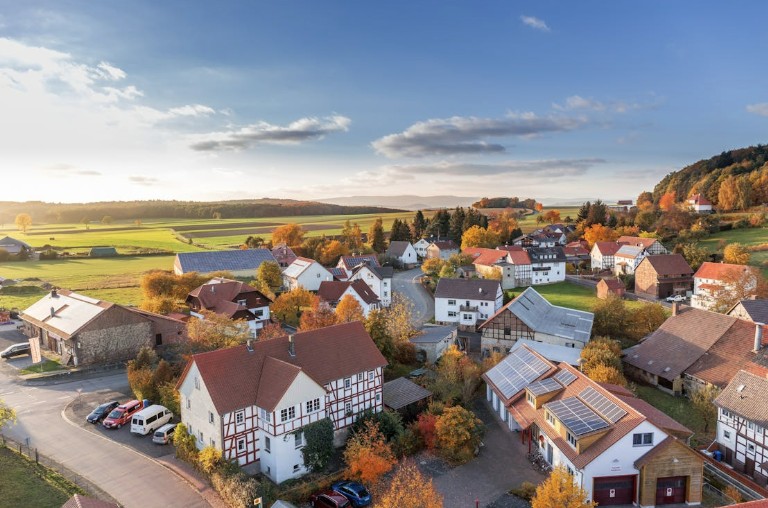
Suburban markets experienced a sharp rise in housing demand as remote workers traded proximity to downtown offices for more space at lower housing prices. Communities within a 30- to 60-minute drive of major metros saw particular interest, offering access to urban amenities without the cost or density.
Secondary cities followed a different pattern entirely. Rather than functioning as extensions of suburban sprawl, places like Boise, Asheville, and Raleigh attracted remote workers on their own merits. These smaller metros offered a combination of affordability, quality of life, and growing local economies that made them destinations in their own right.
Several states stood out in this migration wave:
Texas drew remote workers with no state income tax, relatively affordable housing, and fast-growing metro areas like Austin and San Antonio.
Florida saw sustained inbound migration fueled by warm weather, tax advantages, and a cost of living below coastal California or the Northeast.
North Carolina continued its trajectory as a magnet for relocating professionals, with the Research Triangle and Charlotte offering job market depth alongside suburban comfort.
U.S. Census Bureau population estimates confirm the scale of these shifts, with Sun Belt and mid-size metro areas posting some of the strongest growth figures in recent years.
Meanwhile, urban cores in high-cost metros like San Francisco and New York experienced softened demand. Renters and buyers who once accepted premium prices for short commutes found that remote work removed the main justification for staying. That outflow did not signal the death of cities, but it did redistribute housing pressure toward suburban markets and secondary cities that were previously overlooked.
Price Effects on Suburban and Urban Markets
The relocation patterns described above did not happen in a vacuum. As housing demand surged in suburban markets, prices followed closely behind. Communities that had long offered affordable alternatives to city living saw rapid appreciation, with bidding wars becoming routine in neighborhoods that rarely experienced them before.
Urban cores, on the other hand, told a different story. Several high-cost metros experienced price softening or noticeably slower appreciation as outbound migration reduced competition for downtown apartments and condos. The premium that once defined city living shrank in markets where remote work removed the commute as a deciding factor.
That convergence narrowed the price gap between suburban and urban properties in a number of metros. Buyers who moved outward expecting significant savings found that others had the same idea, driving suburban housing prices closer to urban levels. For long-time suburban residents and those exploring passive real estate investing opportunities, the sudden spike in local competition raised real affordability concerns that are still playing out today.
Will These Migration Patterns Last?
The answer depends largely on whether the work arrangements driving these shifts hold steady. Hybrid work appears to be stabilizing as the dominant model across most white-collar industries, with employers settling into two- or three-day office schedules rather than requiring full-time returns. That middle ground suggests the demand pressures on suburban markets and secondary cities are unlikely to reverse overnight.
At the same time, the trajectory is not pointing toward further acceleration. If hybrid work remains the norm rather than giving way to fully remote arrangements, housing demand in non-urban areas will likely sustain its current levels without the frenzy that characterized 2021 and 2022. Some urban recovery is already visible in select metros where employers have reasserted in-office expectations and downtown amenities have regained their appeal.
The longer-term outlook hinges on two factors. Employer flexibility will determine how many workers retain the option to live farther from an office. Equally important is infrastructure investment in broadband, healthcare, and transportation for non-urban areas that attracted new residents but were not built to absorb them at scale.
What This Means for Real Estate Decisions
The shift from cities to suburbs reflects something more lasting than a temporary housing trend. How much time people spend at home has become a real estate variable in its own right, influencing everything from floor plans to zip codes.
Homebuyers and investors who recognize this structural change are better positioned to make informed decisions. Remote work did not just change where people want to live. It redefined what a home is expected to do, and the market is adjusting accordingly.