



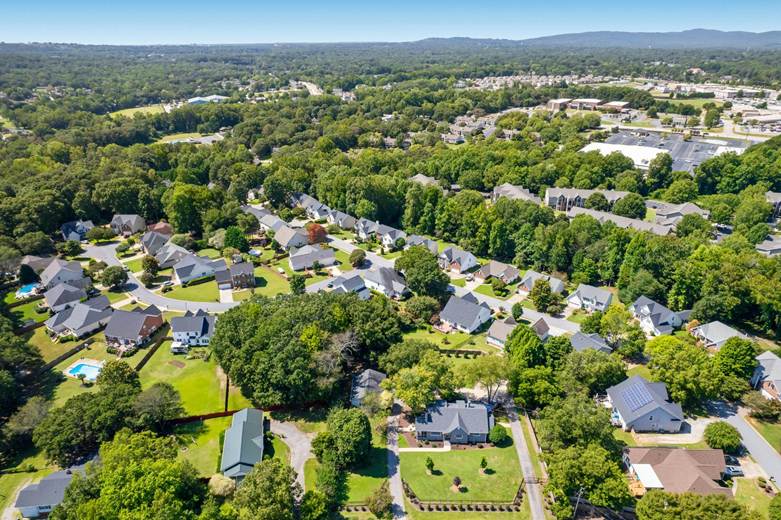
For years, the housing conversation has revolved around major cities.
Urban centres were where people expected to build careers, meet friends, and experience everything a fast-moving city could offer. Living close to the core felt like the natural starting point for adulthood.
But over the last decade, something subtle has changed.
Many people are still connected to big cities through work and culture, but fewer feel that living in the centre of them is essential.
Instead, attention has quietly shifted toward surrounding communities that once felt secondary.
The Moment People Start Looking Elsewhere
Most people do not begin their housing search with suburban communities in mind.
The first instinct is usually to look close to the city centre. That is where the offices are, where the restaurants are, and where people imagine life happening.
Then practical questions begin to appear.
How much space does this home actually provide?
What does the daily commute look like?
Is this neighbourhood somewhere you want to stay for five or ten years?
These questions often push buyers outward.
The search radius expands little by little, and suddenly communities just outside the city begin to look far more appealing.
The Pull of Space and Stability
One reason buyers reconsider where they live is simple.
Space matters.
Apartments and smaller homes in dense urban areas often come with high prices and limited room. For buyers thinking about long-term living, that trade-off can feel difficult to justify.
Communities outside the urban core often provide a different balance. Homes tend to offer more interior space, quieter streets, and easier access to parks and outdoor areas.
This change in perspective has become especially noticeable in areas surrounding major Canadian cities.
The Growth of Regional Housing Markets
The shift toward surrounding communities is not random.
Many suburban regions have experienced steady growth as buyers search for homes that combine accessibility with livability. Areas connected to large cities by highways or commuter rail have become particularly attractive.
In Ontario, communities throughout Durham Region have drawn attention from buyers who want proximity to Toronto while living in neighbourhoods that feel less crowded. The region has seen sustained interest as people reconsider how far they are willing to live from the city core. (Baird Real Estate Team)
This pattern reflects a broader trend happening around many metropolitan areas.
People are looking for places that allow them to stay connected to urban opportunities without living in the middle of them.
Why Local Knowledge Matters More Than People Expect
From the outside, housing markets often look simple.
A buyer sees a listing online, checks the price, and schedules a viewing. But once the process begins, it quickly becomes clear how many local factors influence the value of a home.
School districts, infrastructure projects, neighbourhood growth, and housing inventory all shape the market in ways that are not always obvious at first glance.
This is why many buyers turn to a local real estate agent who understands how neighbourhoods evolve and which communities are quietly gaining momentum. Local insight often becomes the difference between simply finding a house and finding a place that fits how someone wants to live.
The Search for Communities, Not Just Houses
Another change in the housing conversation is how buyers think about neighbourhoods.
In the past, the focus was often on the property itself. The number of bedrooms, the size of the yard, and the condition of the house carried most of the weight.
Today, many buyers also think about what surrounds the home.
They want walkable areas, nearby parks, and communities where daily life feels manageable. Schools, trails, and access to public spaces often shape the decision as much as the property itself.
These priorities reflect a broader shift toward thinking about homes as part of a lifestyle rather than simply a financial investment.
Why the Conversation About Housing Keeps Evolving
Housing markets change for many reasons.
Economic conditions shift. Interest rates rise and fall. Infrastructure expands. Population growth brings new demand into areas that once felt overlooked.
For example, even within regions like Durham, different communities offer distinct opportunities depending on housing supply, development plans, and local demand.
What looks like a quiet town one decade can quickly become a fast-growing community the next.
This constant evolution is one reason buyers often find themselves reconsidering where they expected to live.
Looking Beyond the First Map
Most housing searches begin with a mental map.
Buyers picture a few neighbourhoods they believe will work for them. They search listings in those areas and imagine how life might unfold there.
But the most interesting discoveries often happen outside that original map.
A neighbourhood that seemed too far away might suddenly feel perfect once buyers visit in person. A community that once felt unfamiliar can quickly feel like home.
Real estate decisions rarely follow a straight line.
They unfold through exploration, conversation, and sometimes a willingness to look in places people had not considered before.
And that is often when the right place finally appears.





