



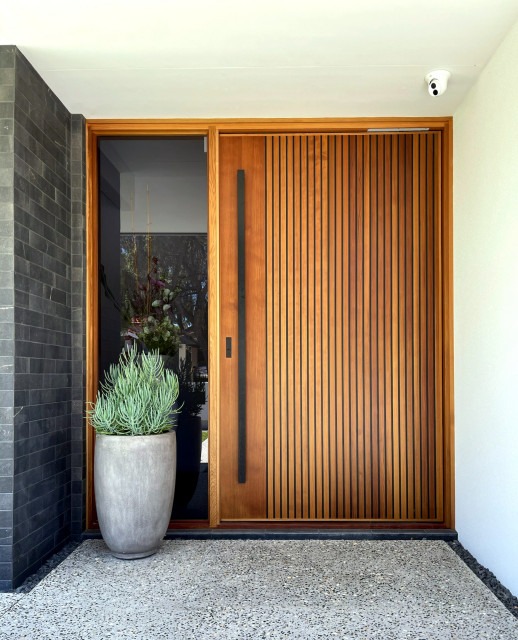
European exterior doors have become a popular choice for homeowners, architects, and designers seeking a balance of contemporary style, durability, and performance. From sleek aluminum entrances to elegant minimalist designs, these doors can transform a property's appearance while improving comfort and security. For homeowners exploring premium options, European aluminum exterior doors: https://europrestige.us/doors/exterior-doors/aluminum-european-doors/ offer a sophisticated solution that combines clean architectural lines with modern engineering.
What Makes European Exterior Doors Different?
European exterior doors are known for their attention to detail, precise construction, and emphasis on performance. Influenced by architectural trends across Germany, Italy, France, and other European countries, these doors often feature minimalist aesthetics, advanced locking mechanisms, and carefully engineered frames.
Unlike traditional doors that prioritize appearance alone, many European-style systems are designed to address several important factors, including thermal insulation, weather resistance, sound reduction, and everyday functionality. Depending on the manufacturer and product specifications, they can provide an effective combination of visual appeal and practical benefits.
Their versatility makes them suitable for contemporary homes, luxury residences, renovated properties, and modern commercial buildings.
Popular Types of European Exterior Doors
Choosing the right exterior door depends on the architectural style of the property, the available space, and the desired level of performance. Several options are particularly popular in modern residential design.
Aluminum European Exterior Doors
Aluminum exterior doors are valued for their strength, slim profiles, and contemporary appearance. The material allows manufacturers to create expansive glass panels and narrow frames without sacrificing structural stability.
These doors are particularly suitable for modern homes featuring large windows, open floor plans, and minimalist facades. Aluminum is also resistant to corrosion when properly finished and maintained, making it a practical option for many climates.
Available in a variety of colors, finishes, and configurations, aluminum European doors can complement everything from monochromatic architectural designs to warmer, more traditional exteriors.
European Steel Exterior Doors
Steel exterior doors offer a strong, substantial feel and can be an excellent choice for homeowners prioritizing durability and security. Depending on their construction, they may incorporate insulated cores, reinforced frames, and multipoint locking systems.
Their appearance can range from industrial-inspired designs to refined contemporary entrances. The right finish and detailing allow steel doors to integrate with a wide variety of architectural styles.
European Doors With Glass Panels
Glass inserts can introduce natural light into an entryway while maintaining a clean, elegant appearance. European-inspired designs often use large glazed sections, narrow framing, and carefully proportioned layouts to create a welcoming entrance.
For exterior applications, the quality of the glazing is particularly important. Double or triple glazing, insulated frames, and appropriate weather seals can help improve thermal performance. Safety-rated glass may also be appropriate depending on the door's configuration and location.
Benefits of European Exterior Doors
Investing in a high-quality exterior door can improve both the functionality and appearance of a home. European-style systems offer several potential advantages.
1. Contemporary Architectural Appeal
European exterior doors often feature simple geometry, balanced proportions, and understated detailing. Their streamlined appearance works particularly well with modern architecture, where materials, natural light, and clean lines play a central role.
Homeowners can choose from different colors, surface finishes, panel designs, and glazing options to create an entrance that reflects their personal style.
2. Improved Energy Efficiency
A well-designed exterior door can help reduce unwanted heat transfer between the interior and exterior of a home. Features such as thermally broken aluminum frames, insulated door panels, energy-efficient glazing, and high-quality weatherstripping can contribute to better thermal performance.
The actual energy savings depend on the complete door system, installation quality, local climate, and the energy efficiency of the rest of the building.
When comparing products, homeowners should review documented U-factor or thermal transmittance ratings, air leakage performance, and other relevant specifications rather than relying on appearance alone.
3. Enhanced Security
The main entrance is an important part of a home's overall security strategy. Many premium European exterior door systems can be equipped with multipoint locking mechanisms, reinforced hardware, and robust frame construction.
Some models also offer advanced access-control features or compatibility with smart locks. However, security varies between products, so it is worth checking the complete system, including the door leaf, frame, hinges, locks, and installation method.
4. Durability and Low Maintenance
Materials such as aluminum can provide long-lasting performance with relatively little routine maintenance. Regular cleaning and periodic inspection of seals, hinges, and locking hardware can help preserve the door's appearance and functionality.
The lifespan of any exterior door depends on its construction, finish, exposure to weather, frequency of use, and maintenance practices.
5. Greater Design Flexibility
European exterior doors are available in a wide range of sizes, finishes, and opening configurations. Options may include single doors, double doors, oversized entrance systems, and designs incorporating glass panels or sidelights.
This flexibility allows homeowners and architects to coordinate the entrance with windows, facade materials, and other exterior elements.
How to Choose the Right European Exterior Door
Selecting the best door requires more than finding a design that looks attractive. Several practical considerations can help narrow the options.
Consider the architectural style. A minimalist aluminum door may suit a contemporary home, while a paneled or glazed design may work better with a transitional or traditional exterior.
Evaluate thermal performance. Look for insulated construction, effective weather seals, and documented performance ratings. In colder climates, thermal breaks and high-performance glazing can be particularly important.
Review security features. Compare the locking system, frame reinforcement, hardware quality, and any available independent security certifications.
Choose the appropriate material. Aluminum is often favored for slim profiles and modern aesthetics, while steel may appeal to homeowners seeking a different combination of strength and appearance. The best option depends on the product's complete construction and intended application.
Check weather resistance. Consider local rainfall, wind exposure, temperature fluctuations, and direct sunlight. The door should be suitable for the conditions in which it will be installed.
Plan for professional installation. Even a premium door may underperform if it is improperly fitted. Accurate measurements, correct flashing, secure anchoring, and continuous air and water sealing are essential for long-term results.
European Exterior Doors and Modern Home Design
Exterior doors have a significant influence on a home's first impression. A carefully selected entrance can establish the architectural character of the property and create a visual connection between the exterior and interior.
In modern homes, aluminum European doors are frequently paired with large windows, neutral color palettes, stone surfaces, wood accents, and minimalist landscaping. Dark frames can provide a striking contrast against light-colored facades, while softer metallic or neutral finishes can create a more understated effect.
Glazed entrance doors can also help brighten foyers and entry halls, particularly when the surrounding layout allows natural light to travel deeper into the home. Privacy can be maintained through appropriate glass treatments, textured glazing, or carefully considered entrance placement.
For renovations, replacing an outdated exterior door with a contemporary European-style system can update the property's appearance without requiring a complete exterior redesign.
Why Installation Quality Matters
The performance of a European exterior door depends on both the product and the installation. Even a door with excellent insulation and advanced hardware can develop drafts, water infiltration, or operational problems when installed incorrectly.
Before installation, the opening should be measured carefully and assessed for structural condition. The installer should follow the manufacturer's requirements for anchoring, perimeter sealing, drainage, and adjustment.
After installation, the door should open and close smoothly, lock securely, and maintain consistent contact with its weather seals. Periodic maintenance can help identify small issues before they affect performance.
Homeowners considering custom-sized or oversized entrance systems should also confirm the requirements for delivery, handling, and installation before placing an order.
Are European Exterior Doors Worth the Investment?
European exterior doors can be a worthwhile investment for homeowners who value contemporary design, long-term functionality, and carefully engineered construction. Their benefits are most apparent when the chosen system is appropriate for the building, climate, and intended use.
Although premium doors may involve a higher initial cost than basic alternatives, the overall value should be evaluated by considering durability, maintenance requirements, energy performance, security features, and visual appeal.
It is also important to compare complete product specifications. Not every door marketed as European-style offers the same level of insulation, security, or weather resistance, and price alone does not determine quality.
Conclusion
European exterior doors bring together architectural sophistication and practical performance. With options ranging from sleek aluminum entrance systems to glazed contemporary designs, homeowners can find solutions that complement their properties while addressing important considerations such as energy efficiency, durability, security, and weather protection.
By evaluating materials, thermal ratings, locking systems, design options, and installation requirements, homeowners can select an exterior door that delivers lasting value. A well-chosen European exterior door is more than an entry point: it is an important design feature that contributes to the comfort, functionality, and overall character of a home.